



Why Choose a Machine‑Tending Robot for Industrial Automation
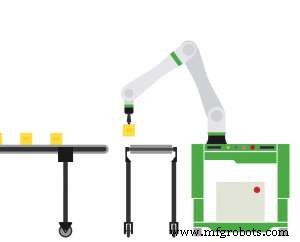
Breaking down the term “machine‑tending” reveals its core function: a machine that is carefully loaded or unloaded by an automated system. In industrial automation, this translates to robots that feed parts into, or remove them from, production equipment.
Robotic Machine‑Tending: Replacing Manual Operations
Historically, plant operators performed the repetitive task of loading and unloading components. While still common, the trend is shifting toward robotic solutions that free human workers to focus on higher‑value tasks. Machine‑tending robots handle not only basic material transfer but also advanced operations such as assembly, cutting, and inspection.
Key Applications
From minuscule fasteners to large refrigeration units, machine‑tending robots are versatile. Typical use cases include:
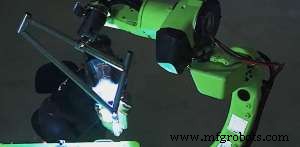
- Loading CNC and milling machines
- Holding parts for welding
- Grinding, stamping, and punching
Benefits of Automation
Implementing a machine‑tending robot delivers measurable advantages:
- Reduces operator fatigue and injury from repetitive, hazardous work
- Improves throughput, quality, and consistency
- Facilitates rapid product change‑over
- Generates a quick ROI by lowering labor costs
- Customizable grippers allow handling diverse part shapes, sizes, and weights
- Performs secondary operations to streamline the production line
- Increases overall uptime and supports 24/7 manufacturing
- Requires minimal maintenance and operator intervention

Selecting the Right Solution
Choosing the optimal robot involves evaluating:
- Industry type and machine compatibility
- Capital budget and expected ROIPart dimensions, weight, and handling requirements
- Desired speed and cycle time
- Payload capacity and work envelope
- Need for vices, multi‑machine coordination, and gripper types
With a growing range of turnkey and custom robotic cells on the market, small and medium‑sized enterprises can unlock the full potential of their equipment. Selecting the correct machine‑tending robot gives SMEs a competitive edge, enabling them to scale production with minimal upfront investment.
Need help evaluating options for your plant? Contact our experts for a tailored recommendation.
Related Posts
Industrial equipment
- Diagnosing & Fixing Noisy Hydraulic Pumps: Common Causes & Solutions
- Essential Factors for Selecting the Right Vibrating Screener
- Cam Sprocket Demystified: How It Drives Engine Timing
- Master Unit Die (MUD) Injection Molding: Efficient, Cost‑Effective Production for Prototypes and Short Runs
- Mastering Rivet Washers: A Professional Beginner’s Guide
- Why Continuous Production Outperforms Batch Processes: Key Benefits
- Maximizing Laser Cutting Efficiency: Key Factors for True Performance
- Boost Profits by Cutting Machine Idle Time: Proven Strategies
- Exploring the Full Spectrum of Agricultural Services: From Livestock Care to Pest Control
- Ensuring Industrial Equipment Reliability Through Advanced Strength and Durability Simulation