



Mastering Pneumatic System Components: A Practical Guide for Industrial Efficiency
Home » Blog » Mastering Pneumatic System Components: A Practical Guide for Industrial Efficiency
Industrial operations rely on pneumatic systems to power tools, automated equipment, and machines throughout the plant. A clear grasp of pneumatic system components is essential for maintaining efficient operation and minimizing downtime.
At JHFOSTER, our compressed‑air specialists are ready to help you design a system that delivers reliable, safe, and effective performance.
What Is a Pneumatic System?
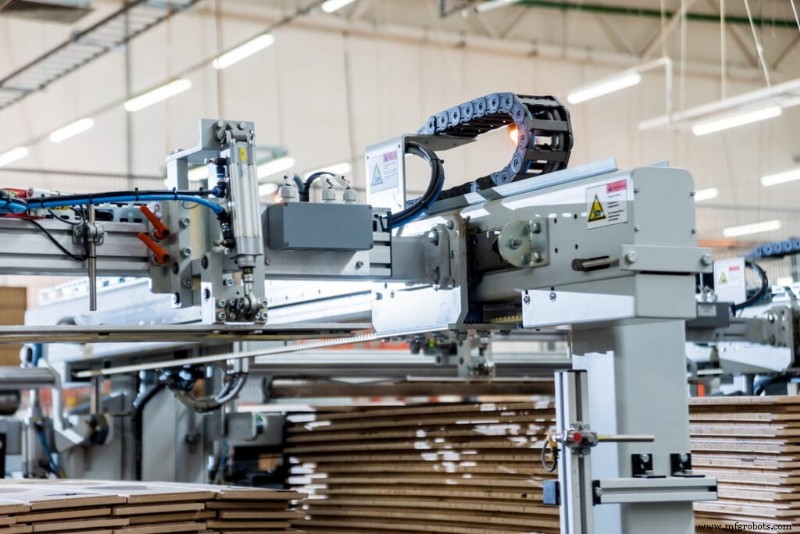
A pneumatic system uses compressed air to generate a force that moves a load. Depending on the application, typical motions include pushing, pulling, lifting, or holding.
These simple, economical, and reliable systems drive cylinders, grippers, motors, and other components in a wide range of automated machinery, such as:
- Fabrication equipment
- Packing machinery
- Paint spraying equipment
- Filling equipment
- Material handling machines
- Presses
- Air‑powered tools
The Advantages of Pneumatic Systems
Industry embraces pneumatic systems for good reason. Key benefits include:
Cost efficiency: Ambient air is free; components are inexpensive, and maintenance is minimal.
Simple design: Few parts and a straightforward operating principle reduce complexity.
Reliability: Durable components and a robust design make pneumatics dependable in harsh industrial settings.
Safety: Pneumatics can be safely used in explosive or hazardous environments.
Environmentally friendly: No hydraulic fluid leaks mean no contamination or cleanup.
Flexibility: Air pressure and flow can be tuned to suit any application.
Pneumatic System Components
The consistency and quality of compressed air are critical to the performance of air‑powered equipment. An efficient system is built around these essential components.
Air Filter: Removes dust, dirt, and pollen that enter with ambient air before it reaches the compressor.
Air Compressor: Pressurises air, drawing it into a chamber and compressing it into a smaller volume to create the force needed for motion. Compressed air is stored until required.
Air Cooler/Dryer: Cool, dry air is vital for high performance. Warm compressed air is first cooled, then any residual moisture is eliminated by a dryer.
Air Storage Tank: Holds the cooled and dried air, ensuring a steady supply for downstream equipment.
FRL Unit (Filter, Regulator, Lubricator): Often a single unit, it performs final filtration, pressure regulation, and light lubrication to protect valves and actuators.
Control Valve: Directs the flow and volume of air to the actuators.
Actuators: Convert pressurised air into mechanical motion. Linear actuators provide straight‑line movement, while rotary actuators provide circular motion.
Pneumatic System Operating Principle
A pneumatic system follows seven key steps:
Step 1: Ambient air passes through the air filter to remove contaminants.
Step 2: The compressor pressurises the cleaned air.
Step 3: Warm compressed air enters the cooler and dryer, where it is cooled and dried.
Step 4: Treated air is stored in the dry air tank, often with a main line pressure regulator.
Step 5: When demanded, air flows through the point‑of‑use FRL unit for final conditioning.
Step 6: Control valves route the conditioned air to the equipment.
Step 7: Actuators convert the pressurised air into motion that drives the machinery.

How to Choose and Size Pneumatic Components
Correct sizing is critical—over‑ or under‑sizing can hurt performance and increase energy costs.
Sizing Your Air Compressor
Under‑sized compressors fail to deliver sufficient pressure or airflow, while oversized units waste energy. Select based on required airflow, pressure, and duty cycle. More sizing guidance.
Sizing Pneumatic Valves
Valve sizing must match the actuator’s required flow rate. JHFOSTER experts can evaluate your system to ensure optimal valve selection. Valve sizing calculations.
Understanding Pneumatic Valve Variations
Pneumatic (directional control) valves come in multiple port configurations, each tailored to specific functions:
- 2‑Way: One inlet and one outlet to allow or stop flow.
- 3‑Way: Adds an exhaust port to vent pressure when the inlet is blocked.
- 4‑Way: One inlet, one exhaust, and two outlets—commonly used for double‑acting cylinders.
- 4‑Way 5‑Port: Similar to 4‑way but with two additional ports for enhanced control.
- 5/2 Configuration: Five ports, two positions (e.g., extend and retract).
- 5/3 Configuration: Five ports, three positions, allowing mid‑stroke stops.
Troubleshooting Pressure Drops
Pressure drop—loss of energy from friction or leaks—is the most common failure in pneumatic systems. It forces the compressor to work harder, increasing wear and energy use, while downstream equipment underperforms.
Common Causes of Pressure Drops
Filters: Clogged filters restrict airflow. Replace according to the manufacturer’s schedule, or more frequently in dusty environments. Filter maintenance guide.
Piping: Undersized or overly complex piping creates friction. A streamlined, appropriately sized delivery system reduces pressure loss. Designing efficient piping.
Leaks: Couplings, hoses, fittings, and joints can leak. Detecting and repairing leaks restores pressure and improves overall system efficiency. Leak detection methods.
Partner with Pneumatic System Experts at JHFOSTER
Pneumatic systems offer simple, cost‑effective power for any operation. As your compressed‑air partner, JHFOSTER’s specialists evaluate your application, design and integrate the right components, and provide ongoing support to keep your system running efficiently for years. Request a quote today.
-

Senior Vice President of Compressed Air, Tavoron
Trey Donze, a proven leader with over 20 years of experience in the industrial equipment and compressed air industry, serves as Senior Vice President of Compressed Air at Tavoron. He previously led multi‑state growth and operations as Vice President of Sales and Operations at Airmatic Compressor Systems and held senior roles at OTC Industrial Technologies, including Director of Sales – Air Supply Group and District Manager. A Qualified Air Master+ Specialist with certifications in Lean Six Sigma Foundations and Vistage Leadership Development, Trey has earned multiple industry awards for sales and operational excellence.
Industrial equipment
- Nitrogen: The Key to Fresh BBQ Food This Summer
- How Car Air‑Conditioning Systems Operate: A Technical Guide
- Understanding Envelope Detectors: Converting High-Frequency Signals into Accurate Envelopes
- 5 Proven Strategies to Cut Compressed Air Waste and Save Costs
- Protect Your Heart: Essential Lifestyle Habits for February Heart Health Month
- Galvanized Iron Explained: How Zinc Coating Protects Steel for Long‑Term Durability
- Cold Weather Impact on Air Compressor Systems: Prevention Tips
- Toyoda Vertical Turning Center with Traveling Inverted Spindle for Efficient Chip Management
- Understanding Vehicle Transmissions: Types, Functions, and How They Operate
- Freight Railroad Parts 101: A Comprehensive Guide