



Expert Guide to Mining Conveyor Tensioning Systems
Posted on January 22, 2026 by admin
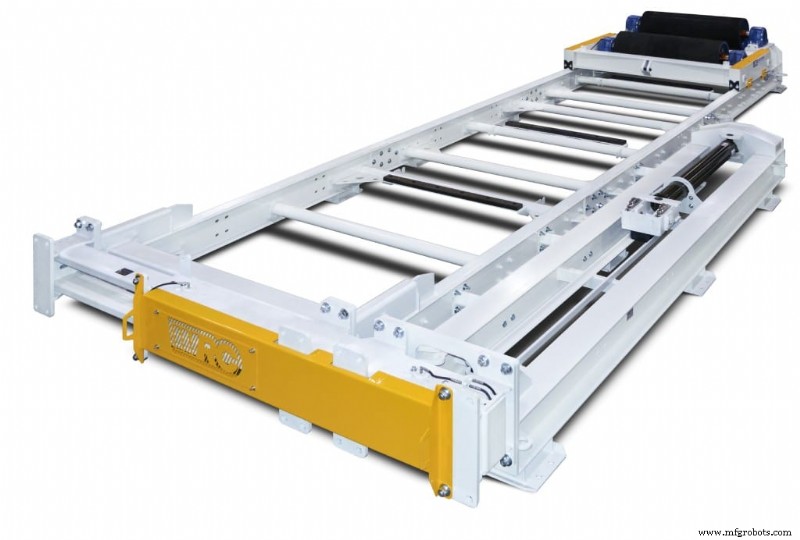
Proper belt tension is the backbone of any high‑performance mining conveyor. When conveyors carry heavy loads over long distances, a well‑engineered tensioning system—often called a take‑up unit—can be the difference between smooth, continuous operation and costly downtime.
This technical guide explains how conveyor tensioning systems work, the variety of solutions available in mining, and the critical factors you must weigh when selecting the right method for your operation.
Why Conveyor Tensioning Matters
A conveyor belt depends on consistent tension to transmit drive power and keep the belt tracking accurately. Too little tension causes slippage and misalignment, while too much tension accelerates wear on the belt, bearings, and pulleys.
The primary goals of a tensioning system are to:
- Maintain optimal belt tension across varying loads and environmental conditions.
- Compensate for belt stretch from thermal expansion, load changes, or aging.
- Ensure stable belt tracking to prevent spillage, mistracking, or edge damage.
- Reduce maintenance and downtime by minimizing component stress and premature wear.
How Conveyor Tensioning Systems Work
A tensioning system applies a controlled force—usually on the return side—to keep the belt tight. By continuously adjusting the take‑up pulley’s position, it offsets belt stretch and maintains adequate friction with the drive pulley.
In mining, tensioning is typically achieved through one of four arrangements: mechanical, gravity, hydraulic, or electric. Each system offers a distinct balance of precision, footprint, and automation.
Types of Conveyor Tensioning Systems
1. Hydraulic Take‑Up
Hydraulic systems use pressurized cylinders to apply tension automatically, guided by pressure sensors or a dedicated control unit.
- Best for: Long, high‑tension conveyors or systems with frequent load changes.
- Advantages: Precise control, compact footprint, fully automated.
- Disadvantages: Higher cost, maintenance complexity, and a required hydraulic power unit.
2. Electric Winch Take‑Up
Electric winch systems employ a motorized winch with a variable‑frequency drive (VFD) to manage tension and belt storage on high‑performance mining conveyors.
- Best for: Long‑travel belt storage units, large take‑up distances, or systems needing smooth, constant‑tension control.
- Advantages: Precise tensioning, scalable design, flexible rope routing, no hydraulic components.
- Disadvantages: Higher upfront cost, complex integration, and a need for robust electrical infrastructure.
3. Manual Screw Take‑Up
The simplest and most economical option, manual screw take‑ups use threaded rods to move the tail pulley and adjust belt tension.
- Best for: Short conveyors with stable loads and minimal temperature fluctuation.
- Advantages: Low cost, easy installation.
- Disadvantages: Requires manual readjustment, not ideal for long or variable‑load conveyors.
4. Gravity Take‑Up
A gravity take‑up employs a counterweight attached to the take‑up pulley via a cable or pulley system. The counterweight provides constant tension, automatically compensating for belt stretch and load variation.
- Best for: Medium‑ to long‑length conveyors with variable loads.
- Advantages: Automatic adjustment, consistent tension, low maintenance.
- Disadvantages: Requires significant vertical space, not ideal for mobile or compact systems.
Choosing the Right Tensioning System
Selection hinges on several operational and design variables:
| Consideration | Recommendation |
|---|---|
| Conveyor Length & Tension Rating | Longer, higher‑tension conveyors benefit from hydraulic or electric winch systems. |
| Available Space | Limited space may necessitate hydraulic or electric winch systems. |
| Load Variability | Systems with variable load conditions need automatic adjustment capability. |
| Maintenance Accessibility | Manual and gravity systems require less frequent maintenance than hydraulic or electric systems. |
| Cost & Complexity | Manual systems are low‑cost but labor‑intensive; hydraulic and electric systems have higher upfront costs but offer automation and superior tension control. |
West River’s engineers evaluate your system’s specific requirements—including belt type, material load, and operating conditions—to recommend the most effective tensioning solution.
Common Tensioning Challenges in Mining
Even well‑designed systems can encounter performance issues over time. Typical challenges include:
- Belt slippage from insufficient tension, lack of carriage travel, or contamination on the drive pulley.
- Uneven tracking caused by misalignment of the take‑up pulley, terminal equipment, or belt structure.
- Counterweight hang‑ups from corrosion, dust buildup, or poor guide design.
- Hydraulic leaks or pressure loss reducing system performance.
Routine inspection and maintenance—checking pulley alignment, belt tension, and mechanical components—can prevent these issues and extend system life.
West River Conveyor Tensioning Solutions
West River Conveyors designs and manufactures custom conveyor systems for the most demanding mining environments. Each tensioning system is engineered for long‑term reliability, simplified maintenance, and precise control.
Our engineers can design:
- Gravity, hydraulic, or electric winch take‑up systems tailored to your conveyor’s specifications.
- Integrated tensioning assemblies for underground or surface conveyors.
- Replacement tensioning components compatible with existing conveyor structures.
Whether you’re upgrading an aging conveyor or installing a new one, WRC can provide the optimal tensioning system to improve uptime, extend belt life, and reduce operational stress.
Get Expert Guidance
Selecting and maintaining the right conveyor tensioning system is critical for productivity and safety in any mining operation. With decades of experience designing durable, efficient conveyor solutions for coal, salt, trona, and many other mined materials, West River Conveyors is ready to help.
Contact WRC today to discuss your application and learn how our engineered tensioning systems can keep your conveyor—and your production—running smoothly.
Explore Our Tensioning Systems
Industrial equipment
- Choosing the Ideal Lift Table: A Complete Buyer’s Guide
- Choosing the Right AED for Your Workplace: 9 Essential Factors to Consider
- Master Spindle Selection: 5 Proven Tips for Optimal CNC Performance
- Selecting the Ideal Industrial Big Lathe for Large-Scale Projects
- Planishing Explained: Curving and Shaping Sheet Metal
- Advanced Coding & Printing Solutions for Personal Care Products
- Top Rotary Valve Issues and Proven Fixes for Reliable Performance
- Industrial Automation: The Key to Future-Ready Businesses
- What Is Vulcanized Rubber? A Professional Guide
- Key Factors That Determine the Cost of a CNC Router