



When to Upgrade Your Mining Conveyor System: 6 Critical Indicators
Posted on May 14, 2025 by admin
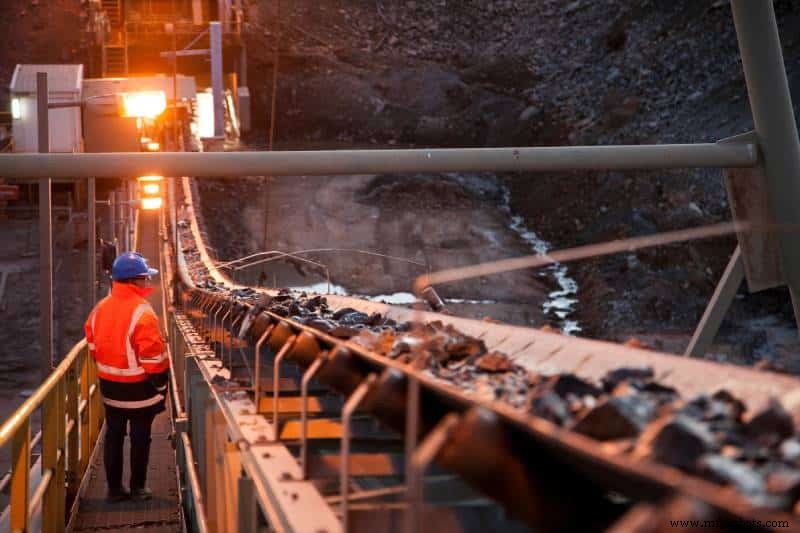
A reliable conveyor system is the backbone of any efficient mining operation. Even the best‑maintained conveyors inevitably degrade, leading to reduced throughput, higher downtime, and escalating operating costs. Knowing precisely when to invest in a new system can save millions and keep your mine running at peak performance.
1. Frequent Breakdowns and Rising Maintenance Bills
When repairs become the norm rather than the exception, the conveyor is past its useful life. Recurring issues—belt misalignment, tracking failures, motor stalls, and excessive component wear—signal that the system can no longer keep up with the rigors of daily mining. A modern conveyor equipped with advanced rollers, smart tracking, and high‑torque motors dramatically cuts repair frequency and unplanned downtime, translating into tangible cost savings.
2. Declining Efficiency and Throughput
Older conveyors often exhibit slower material movement and bottlenecks at transfer points. Signs include backed‑up loads, erratic belt speeds, and an inability to maintain production targets. While environmental factors can aggravate these problems, the root cause is usually an aging design that lacks the robustness of contemporary systems. Upgrading brings high‑efficiency motors, precision rollers, and real‑time monitoring that boost throughput and stabilize material flow.
3. Rising Energy Bills
Outdated motors and belts draw more power than their newer counterparts. If electricity costs are climbing without a corresponding increase in output, inefficiencies are likely lurking in your conveyor. Modern drives offer variable speed control, regenerative braking, and optimized belt construction that can reduce energy consumption by up to 30 %—a payoff that often recoups upgrade costs within a few years.
4. Difficulty Finding Replacement Parts
As components age, manufacturers phase out parts, forcing operators to source expensive custom or refurbished replacements. Long lead times and high part costs signal that the system is becoming obsolete. A new conveyor eliminates these headaches by providing readily available, cost‑effective parts that keep downtime to a minimum.
5. Safety Gaps and Compliance Risks
Older setups may lack essential safety features such as advanced guarding, emergency stop systems, fire‑resistant belts, and dust‑containment solutions. Frequent incidents, employee complaints, and regulatory hurdles underscore the need for an upgrade. Modern conveyors meet current OSHA and MSHA standards, reducing liability and ensuring a safer workplace.
6. Growing Production Demands
When your mine expands, the conveyor must scale accordingly. Signs of strain—belt overheating, spillage, motors running at full capacity—indicate the system is no longer adequate. Upgrading to a higher‑capacity design prevents bottlenecks, reduces wear, and supports sustainable growth.
Choose a Conveyor That Meets Your Future Needs
Recognizing these warning signs lets you plan an upgrade that delivers immediate benefits and long‑term resilience. West River Conveyors specializes in custom, high‑performance conveyor solutions for the mining sector. If you’re encountering any of the issues above, reach out to our experts to explore upgrade options tailored to your operation.
Explore Our Conveyor Systems | Ask an Expert About Upgrading
Industrial equipment
- Custom Chute Design: The Key to Reliable Mining Conveyor Transfer Points
- Virtual Manufacturing Explained: Enhancing Design & Production with Simulation
- Understanding Gantry Crane Wheels: Functions, Materials, and Maintenance
- Why Air Quality Matters: Protecting Your Systems and Products
- The Two Main Types of Hydraulic Pumps Explained
- Why Filtration Matters: Enhancing Performance of Industrial and Aeration Blowers
- Drafting Paper: Purpose, Features, and Modern Alternatives
- Cobot Basics: 5 Key Differences Between Collaborative Robots & Traditional Robots
- Selecting the Right Proportional Valve for Medical Devices: A Comprehensive Guide
- 2026 U.S. Reshoring Trends Survey – Insights for OEMs & CMs