



Hidden Costs of Outdated Mining Conveyors—and Why Upgrading Pays Off
Posted on May 12, 2025 by admin
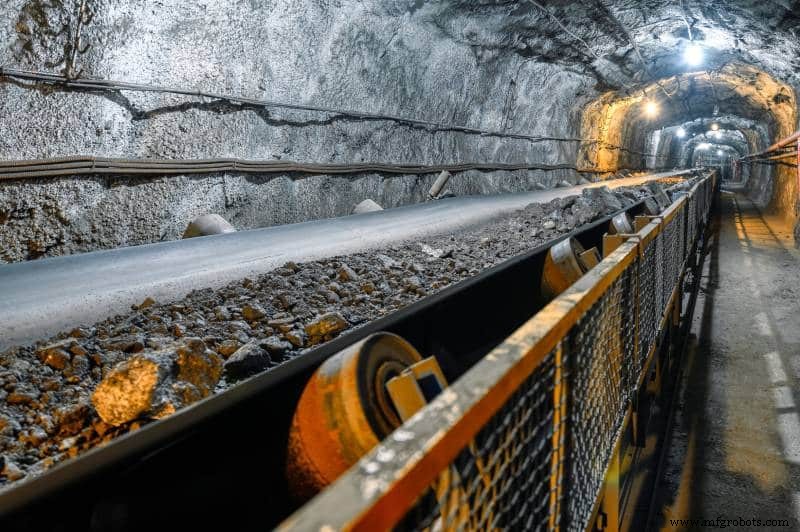
Conveyor systems form the backbone of mining operations. Yet many facilities still rely on legacy conveyors that, while functional, erode profitability. These aging machines carry hidden costs—energy waste, material loss, and costly downtime—that make an upgrade not just beneficial but financially sound. In this article we examine the real price of running an outdated conveyor and explain how modern solutions deliver higher efficiency, fewer outages, and a compelling return on investment.
The Cost of Inefficiency
Older conveyors struggle with performance gaps stemming from dated designs, wear, and declining reliability. Inefficiencies manifest in several ways:
- Lower Throughput – A legacy belt may lag behind modern standards, slowing overall production capacity.
- Higher Energy Bills – Outdated motors, drives, and rollers consume more power, driving up electricity costs.
- Material Spillage – Worn belts, misaligned components, and obsolete tracking systems can lead to significant product loss, further denting profits.
Downtime & Maintenance Burden
Unexpected breakdowns and routine maintenance are the primary cost drivers for legacy conveyors. They add up in these areas:
- Frequent Repairs – Replacing worn parts or fixing sudden failures results in costly downtime and repair outlays.
- Unplanned Downtime – Every minute of unscheduled stoppage reduces output, delays delivery, and can trigger penalty clauses.
- Scarce Replacement Parts – Parts for older systems are often hard to source and can carry premium prices, especially when manufacturers discontinue models.
Read More: Signs it’s Time to Upgrade Your Conveyor System
Safety & Compliance Risks
Outdated conveyors also elevate safety hazards, increasing liability and compliance expenses. Older designs may lack modern emergency stop functions, guarding, or dust‑containment systems. Failure to meet updated industry regulations can trigger fines or even shutdowns. West River Conveyors builds systems to or above CEMA standards and complies with MSHA requirements.
Return on Investment of a Conveyor Upgrade
Although an upgrade requires upfront capital, the long‑term savings and operational advantages make it worthwhile. A new conveyor delivers:
- Lower Operating Costs – Energy‑efficient motors and components cut electricity consumption.
- Higher Production Capacity – Optimized designs move more material faster, boosting output and revenue.
- Reduced Maintenance Costs – Precision engineering and modern materials minimize wear and the frequency of repairs.
- Enhanced Safety Features – Modern safeguards protect workers, lower incident rates, and keep operations compliant.
- Fewer Product Losses – Improved guarding and belt technology keep material on the line, decreasing waste.
Partner with West River Conveyors
West River Conveyors specializes in designing and manufacturing durable, efficient conveyor solutions for the mining sector. If you’re evaluating an upgrade, contact our experts today to explore options and discover how a modern system can transform your operation.
Explore Our Conveyor Systems • Ask an Expert About Upgrading
Industrial equipment
- How Casters Work: From Early Designs to Omni‑Directional Innovation
- Harbor Freight US General 44″ Toolbox: In-Depth Review & Value Analysis
- Lathrop Trotter 2025 Customer Appreciation Golf Day at Rolling Hills Country Club
- Charge Numbers in Chemistry Explained: Their Role and Significance
- Understanding Loss of Production: Causes, Impacts, and Mitigation Strategies
- Understanding Sandblasting Stencils: Types, Uses, and Application Tips
- Critical Safety Guidelines for Grain Bin Operations
- Essential Guide to Oil Rig Drilling Equipment: How It Works & Key Components
- Essential Maintenance Strategies to Keep Industrial Heaters Reliable in Cold Climates
- Electronics Contract Manufacturing (ECM): Comprehensive Overview & Benefits