



Comprehensive Heavy Equipment Inspection Guide: Boost Safety, Reliability, and Value
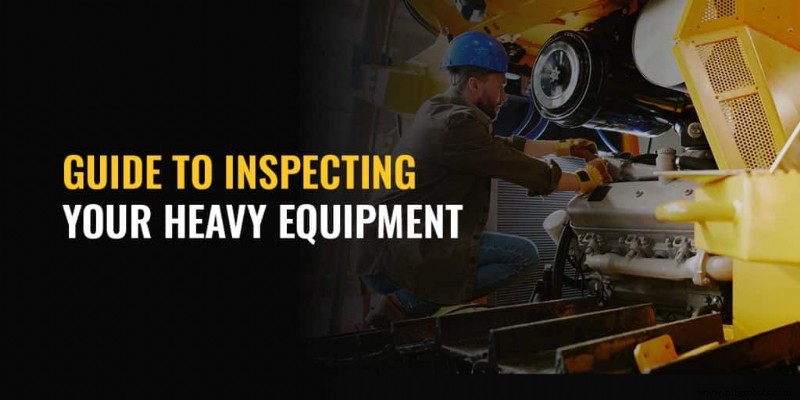
Performing routine inspections on your heavy machinery delivers tangible benefits. A well‑maintained machine keeps crews safe, boosts productivity, and drives down operating costs.
This guide explains why you should inspect before and after every use, and what to scrutinize for optimal performance.
Why Regular Inspection Matters
Machine operators should perform a quick pre‑ and post‑use check. Here’s why:
- Improve workplace safety: Routine checks ensure equipment is in good condition, reducing accidents and protecting your team.
- Prevent failures and downtime: Early detection of wear or leaks cuts unexpected breakdowns, extends life span, and keeps projects on schedule.
- Lower operating costs: Addressing minor issues promptly saves money versus major repairs or premature replacements.
- Preserve resale value: A clean maintenance record keeps equipment worth more when you decide to sell or trade‑in.
Key Inspection Areas
Before operation, walk around the machine and examine the following exterior components:
- Lights: Verify headlights, brake, backup, and signal lights are functional and bright.
- Brakes: Confirm responsive braking and replace worn pads or lines.
- Suspension: Look for excessive bounce, vibration, or unusual noises that signal wear.
- Attachments: Ensure all connections are secure and free of damage.
- Undercarriage: Check for dirt, scratches, and leaks under the frame.
- Tires or tracks: Inspect tread depth, cracks, holes, and clear debris or foreign objects.
- Hydraulic system: Inspect lines for cleanliness, dryness, and secure connections.
- Steps & handles: Keep steps free of dirt and handles firmly attached.
Under the hood, evaluate these engine components:
- Fluids: Verify hydraulic oil, engine oil, coolant, and windshield washer fluid levels and cleanliness. Low levels may indicate leaks.
- Filters: Replace air filters if clogged.
- Battery: Check terminals and charge status.
- Fan & alternator: Inspect for damage or wear.
- Belts & hoses: Ensure they are flexible, not brittle. Replace frayed or cracked belts and hoses.
Inside the cab, confirm:
- Mirrors: Clear, undamaged mirrors for optimal visibility.
- Gauges: Speedometer, oil pressure, and other indicators must read correctly.
- Seatbelts: Test fastening and inspect for cuts or fraying.
- Wiper blades: Clean streak‑free windshield.
- Safety features: Horn, cameras, backup alarm must function.
- Steering & controls: Smooth operation without binding.
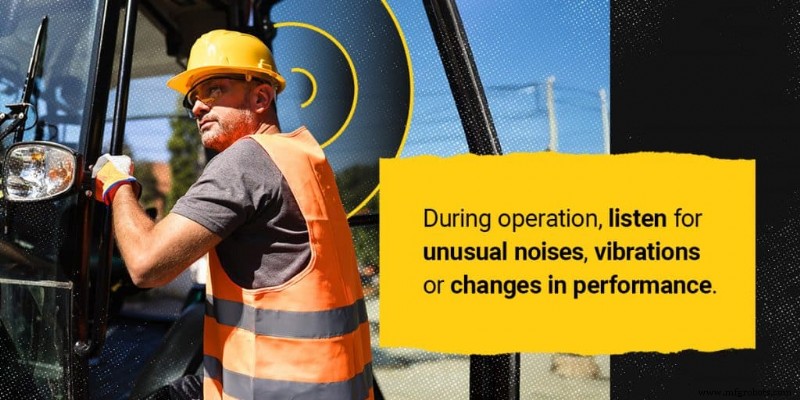
During operation, listen for abnormal noises, vibrations, or performance changes. Verify gauges show safe ranges. After shut‑down, clean the machine, refill the fuel tank, and remove accumulated dirt.
Completing an Inspection Checklist
Record the date, time, and inspector’s name. Note each component’s status and any corrective actions taken. Include a sign‑off line indicating whether the equipment is cleared for work or requires maintenance. Specify required repairs to ensure safety.
Consider establishing a preventive‑maintenance schedule based on manufacturer guidance and industry best practices. A typical timeline might be:
- 250 hours: Replace fuel, engine air filters, and oil.
- 1,000 hours: Replace cabin air filter, coolant; check air dryer.
- 5,000 hours: Service transmission; inspect hydraulic tank, radiator, pins, bushings; replace as needed.
Common Issues to Spot
Leaks, worn tires or tracks, and built‑up dirt are frequent culprits. Other red flags include:
- Excessive blow‑by: Combustion gases leaking into the crankcase can signal engine wear. Inspect pump and pressure if multiple cylinders are affected.
- Filter problems: Leaks or damage compromise filtration, risking engine damage.
- Hydraulic malfunctions: Leaks, loose connections, or low pressure impair operation.
Always halt the machine if you notice unusual sounds, vibrations, or gauge readings outside normal ranges. Investigate promptly to prevent escalation.
Partner with Blanchard Machinery Company
Regular inspections enable proactive maintenance, but you also need the right parts on hand. Our inventory of common replacements keeps your operations running smoothly.
For deeper inspections or major repairs, Blanchard Machinery Company offers a full spectrum of services—including hydraulic hose repair, complete rebuilds, and emergency field support. We can also assist with equipment rentals while your machine is serviced or help you acquire new equipment.
With locations across South Carolina, find a convenient site or contact us today!
Industrial equipment
- Manufacturing vs Production: Key Differences Explained
- Kingston KVL Heavy-Duty Vertical Turning Center: Designed for Large Workpieces and Unmatched Accuracy
- How to Find Trusted Maintenance for Your Compressed Air System
- Selecting the Ideal Pneumatic Actuator: A Practical Guide for Reliable Automation
- Futura Automation Bolsters Business Development Team with Kenneth (Kenny) Doran
- Versatile Platform Cart: 10 Ways to Boost Efficiency
- Industrial Ladders: The Key to Safety, Efficiency, and Accessibility in Plants & Warehouses
- Transporting Cranes: A Professional Guide to Safe and Efficient Moves
- Understanding Composite Beams: Strength and Performance Explained
- Power Supply Rails Explained: The Backbone of Modern Electronics