



Maximizing Heavy Equipment Performance: Proven Tips for Safety, Efficiency, and Longevity
Operating or maintaining heavy equipment demands precision, safety, and relentless focus on uptime. From construction sites to mining operations, the stakes are high—missed deadlines, equipment failure, and worker injuries can all derail a project and inflate costs. By mastering the proper use of machinery, you boost productivity, extend asset life, and safeguard your crew.
Below is a practical guide to using heavy equipment effectively.
Why Proper Equipment Use Matters
- Boosts Productivity: Matching the right machine to the task reduces downtime and the risk of damage from unsuitable equipment.
- Prioritizes Safety: Rushing to meet deadlines often leads to overlooked inspections and errors. A safety‑first mindset prevents costly setbacks.
- Extends Asset Life: Understanding each machine’s limits keeps it operating within safe parameters, preventing premature wear and hazardous failures.
Operator Training: The Cornerstone of Safe Operations
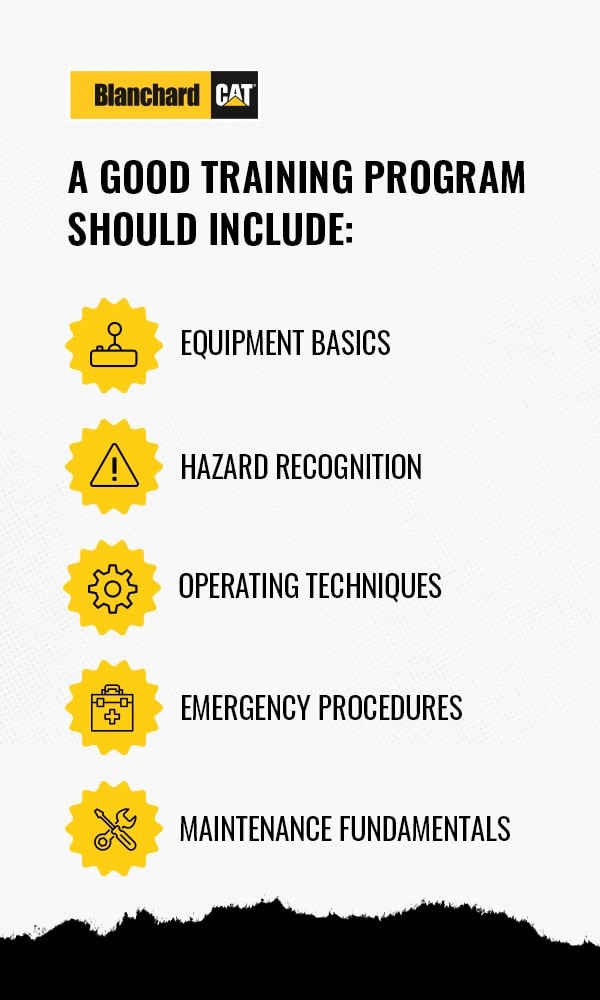
Comprehensive training—classroom theory paired with hands‑on practice—reduces liability and promotes a culture of safety. Training should cover:
- Equipment fundamentals: controls, components, and functions.
- Hazard recognition: unstable terrain, overhead obstructions, load imbalances.
- Operating techniques: efficient, safe methods for each task.
- Emergency procedures: response to failures or accidents.
- Maintenance basics: daily checks and preventive care.
Refresher courses keep operators sharp and up to date with evolving technology and regulations.
Effective Maintenance Practices
1. Follow Manufacturer Guidance
Manufacturers provide schedules, part intervals, and operating procedures that are essential for longevity. Adhering to these guidelines protects warranties and ensures optimal performance.
2. Conduct Equipment‑Specific Inspections
Develop a tailored checklist for each machine type. Daily pre‑ and post‑use inspections catch issues early and keep the fleet running smoothly.
3. Keep Accurate Records
Digital maintenance logs track dates, parts replaced, and costs. They are invaluable for warranty claims, resale, and identifying trends.
4. Respect Warranty Terms
Compliance with maintenance protocols preserves warranty coverage and saves money on future repairs.
5. Maintain an Adequate Parts Inventory
Stock critical components to eliminate downtime caused by parts shortages.
6. Schedule Preventive Maintenance
Proactive inspections and servicing reduce reactive repairs and keep equipment on schedule.
7. Empower Operators with Training
Operators are the first line of detection. Training them to spot and report problems can prevent costly failures.
8. Leverage Smart Tools & Software
Fleet maintenance software and diagnostic tools streamline scheduling, track usage, and pinpoint issues early, saving time and money.
9. Monitor Costs
Regularly analyze maintenance expenditures. High repair rates may signal a need to replace or re‑evaluate a machine’s use.
Safety Guidelines for Every Phase
Before Operation

- Inspect for leaks, wear, and functional safety features.
- Check the site for hazards and clear pathways.
- Wear appropriate PPE—helmets, gloves, boots, eye protection, vests, and hearing gear.
During Operation
- Maintain a clear line of sight; use mirrors or spotters as needed.
- Never exceed load or speed limits.
- Always fasten seatbelts.
- Communicate clearly with crew using hand signals or radios.
- Approach slopes slowly; move uphill or downhill rather than sideways.
After Operation
- Lower attachments, shut down the engine, and engage the parking brake.
- Use the three‑point rule when climbing in or out of the cab.
- Clean the machine and report any damage or wear.
Troubleshooting Workflow
1. Confirm the Issue
- Listen to operator feedback and review warning lights or error codes.
2. Identify Root Cause
- Check simple factors—fuel, filters, fluid levels.
- Inspect relevant components for leaks or wear.
- Use diagnostic tools to read error codes.
3. Apply Corrective Action
Repair or replace parts following the manufacturer’s guide. Use only approved, high‑quality components.
4. Verify Resolution
Test the machine under normal conditions and confirm all systems function correctly.
5. Prevent Recurrence
Document the problem, root cause, and fix. Train operators on early warning signs and maintain regular inspections.
Operating Tips by Machine Type
Excavators
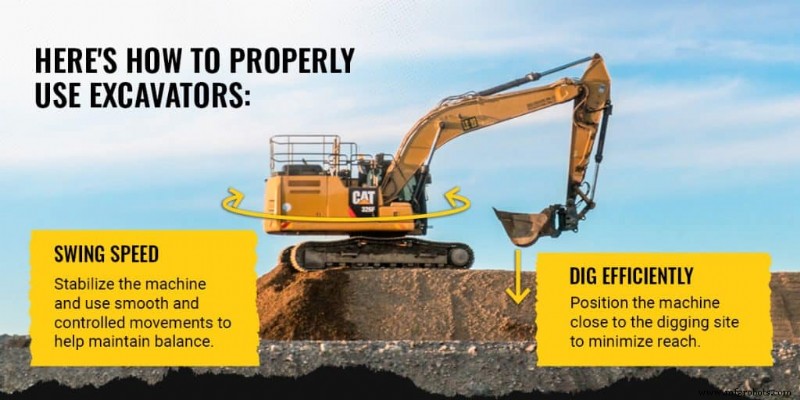
- Control swing speed for stability.
- Position close to the dig site to minimize reach.
Backhoe Loaders
- Distribute load evenly in the bucket.
- Use stabilizers on uneven ground.
- Lift and lower the bucket gradually.
Bulldozers
- Adjust blade angles for the task.
- Work in layers to avoid overworking the blade.
- Use low gear for heavy loads.
Compactors & Rollers
- Select the correct roller type for the material.
- Maintain a steady pace.
- Avoid sharp turns.
Skid Steer Loaders
- Choose attachments suited to the job.
- Keep weight distribution balanced.
- Carry loads close to the ground.
Cold Planers
- Set the correct cutting depth.
- Inspect attachments for debris and wear.
Explore Heavy Equipment at Blanchard Machinery Company
With 30+ years of experience, Blanchard Machinery Company delivers reliable heavy machinery, parts, and service solutions that keep your projects on schedule. Our inventory features top‑brand equipment designed for the toughest conditions, and our knowledgeable sales team is ready to help you select the right tools for your unique needs.
Browse our full lineup of machinery today and discover how our expertise can enhance safety, efficiency, and profitability on your job site.

Industrial equipment
- Choosing the Ideal Mining Conveyor Belt: Expert Tips & Best Practices
- Mastering Oil Rig Clean-Up: Key Steps for Safety & Efficiency
- Vulcanized Seals: Composition, Manufacturing, and Key Advantages
- Establishing a Robust AI Foundation for Shop Floor Excellence
- YMT TTL-20 CNC Turning Center: Heavy-Duty Cutting & Superior Chip Management
- Impact Extrusion Explained: How Presses Shape Metal Parts in One Powerful Strike
- Choosing the Ideal Bottle Printing Solution for Your Beverage Brand
- Crane Transport Demystified: Moving Heavy Machines from Point A to B
- Calculating Hydraulic Pump Flow: A Practical Guide to Optimizing Performance
- Save Money & Stay Warm: 5 Proven Strategies for Heating Construction Sites on a Budget