



Minor vs Major Thread Diameters: How to Choose the Right Screw Size
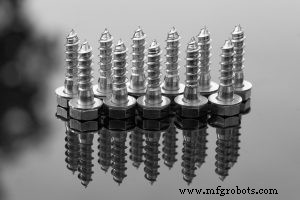
Not all screws are the same. While every screw has a pointed tip and a threaded shank, they come in a range of sizes. In addition to length, screws differ in thread diameter. The two critical thread measurements are the minor and major diameters, which describe the depth and width of the threaded profile.
What Is Minor Thread Diameter?
The minor thread diameter is the smallest dimension of the threaded portion that touches the roots—the deepest part of each thread groove. When inspecting a screw, the roots lie between the individual threads, and the minor diameter is the measurement that just reaches these roots.
What Is Major Thread Diameter?
Conversely, the major thread diameter is the largest dimension of the threaded portion that contacts the crests—the outermost edge of each thread. All threaded fasteners have both a minor and a major diameter, and the major diameter is the measurement that reaches the crests.
Differences Between Minor and Major Thread Diameters
Screws do not have uniform threads from head to tip. The helical threading allows a screw to bite into material when driven, and the thread’s diameter varies between the root and crest. Therefore, manufacturers specify both minor and major diameters to convey the full thread profile.
Minor diameter reflects the smallest size that contacts the roots, while major diameter represents the largest size that contacts the crests. When selecting screws, consider both measurements to ensure a proper fit for your fastening application, in addition to the length.
The length of a screw does not influence its thread diameter; thread dimensions are independent of length. By evaluating both the minor and major diameters, as well as the length, you can confidently choose the correct screw for any project.
Industrial equipment
- Titanium Fasteners: Superior Strength, Corrosion Resistance, and Versatile Applications
- Thread: Types, History, Production, and Quality Control
- Four Key Benefits of Maintaining an Equipment Inventory
- Understanding Thread Angle: Key to Optimal Screw Performance
- Understanding Thread Cutters: Types, Uses, and Applications
- Understanding Thread Machines: Precision Threading for Metal and Plastic
- Mastering Large-Diameter Thread Milling: Proven Methods & Skills
- Understanding Thread Types and Geometric Parameters for Reliable Connections
- Revolutionizing Thread Whirling: Cutting‑Edge Tooling and Surface Coatings
- Top 3 Benefits of Remote Monitoring for Manufacturing Efficiency