



Steel Corrosion Explained: Causes, Risks, and Proven Prevention Strategies
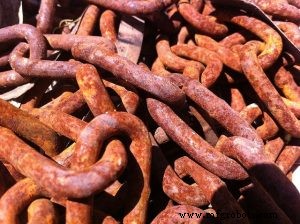
Steel—a robust iron‑carbon alloy—powers modern infrastructure, from bolts to bridges. Yet its very strength is vulnerable to a relentless enemy: corrosion. Understanding the science behind steel’s decay is the first step toward safeguarding structures and extending their service life.
What Is Corrosion?
Corrosion is an electrochemical reaction that transforms a pure metal into its oxide form. In steel’s case, the iron atoms interact with oxygen and moisture, forming iron oxides that appear as rust. The process is inevitable but can be controlled with proper materials and treatments.
Why Does Steel Corrode?
Steel contains iron, which is highly reactive to oxygen. Even in dry air, atmospheric oxygen can penetrate the metal’s surface. When water or humidity is present, the reaction accelerates, producing a protective but ultimately damaging rust layer. All steel grades are susceptible, but their resistance varies.
Proven Strategies to Prevent Corrosion
Engineers and manufacturers employ several proven methods to protect steel:
- Stainless Steel – By adding about 11 % chromium, the metal develops a thin, self‑repairing film that shields iron from oxygen. This passive layer renders stainless steel highly resistant to corrosion in most environments.
- Galvanization – Coating steel with zinc creates a sacrificial barrier. Zinc corrodes preferentially, sacrificing itself to protect the underlying iron.
- Powder Coating – A durable polymer shell is sprayed and cured onto steel. This impermeable coating blocks oxygen and moisture, preventing rust formation.
- Protective Paints & Epoxies – These layers serve as a physical barrier and often contain corrosion inhibitors.
- Cathodic Protection – An electrical method that applies a small, continuous current to keep the steel surface at a more negative potential, inhibiting oxidation.
Choosing the right protection depends on the application, environmental exposure, and budget. When applied correctly, these strategies can extend steel’s lifespan from a few decades to over a century.
For detailed guidance on selecting and applying these protective measures, consult industry standards such as the ASTM G85 “Standard Practice for Corrosion Protection of Steel Structures” and the AISI guidelines.
Industrial equipment
- Why Modular & Scalable Software Solutions Drive Cost‑Effective Test & Measurement
- Fundamentals of Iron and Steel Corrosion: Causes, Effects, and Prevention
- Effective Corrosion Prevention Strategies for Lightweight Vehicle Design
- Understanding the Corrosion Resistance of Stainless Steel
- What’s Driving the Surge in Steel and Aluminum Prices? Insights
- Steel Types Explained: Why Choosing the Right One Matters
- Understanding 3D Print Warping: Causes, Fixes, and Prevention Tips
- Effective Solutions to Cutting Fluid Odor, Corrosion, and Performance Issues
- Overcoming Challenges in Stainless Steel Machining: Solutions & Best Practices
- Understanding Structural Steel Cambering: Purpose, Benefits, and Applications