



Combatting Corrosion in Mounted Bearings: Innovations & Best Practices
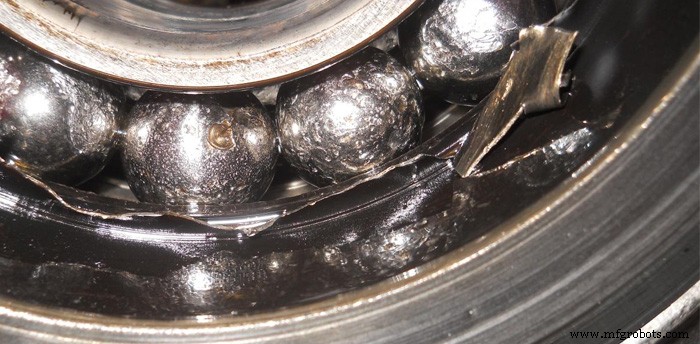
The battle against corrosion is a perennial challenge, especially in sectors where even a single defect can halt production or compromise safety—food, beverage, and medical processing are prime examples. Corrosion not only erodes material integrity and shortens machine life, but it can also introduce impurities that jeopardize product quality.
Over the past decade, bearing manufacturers have listened closely to industry demands, delivering affordable solutions that combine high load capacity with durable corrosion resistance. Recent advances focus on reinforcing housings, raceways, seals, and cages—each component engineered to withstand harsh chemicals without sacrificing strength.
Balancing corrosion protection with mechanical performance is tricky. Materials that resist corrosive attack often lack the hardness or toughness needed for heavy-duty operation, while traditional high-strength steels can succumb to aggressive environments. The key is selecting the right combination of materials and coatings for each application.
Stainless steels—such as 420, 410, 303, 304, and the popular 440C—are common choices for inner rings, rollers, and outer rings. While these alloys can reduce corrosion, they typically carry up to a 20 % lower load rating than their ferrous counterparts, making them best suited for lower-stress ball bearings rather than high-load roller bearings. To further enhance protection, many manufacturers offer plated options—zinc‑chromate, low‑phosphorus nickel, nickel composites, or chrome—applied to the raceways.
Housing materials span coated steels, 304/316 stainless, and nonmetallic polymers such as PBT, polypropylene, and polyamide resins. Polymers can be infused with antimicrobial agents, while coatings like powder‑epoxy paint, nickel, or nylon offer additional chemical resistance. For example, 304 stainless housings excel against acetone, whereas PBT may not. Selecting the correct housing material is therefore essential to meet the specific chemical exposure and load requirements of the process.
In food and beverage plants, the design must eliminate pockets where moisture and contaminants can accumulate. Solid feet, smooth surfaces, and the absence of voids prevent bacterial growth and reduce corrosion risk—critical for equipment that undergoes frequent washdowns.
Washdown environments introduce high‑pressure water and cleaning chemicals that can compromise lubrication and contaminate bearing cavities. Effective seals are paramount: 304/316 stainless shields with rotating flingers and triple elastomeric contact lips create a dynamic barrier that expels contaminants while maintaining a grease dam. The flinger’s diameter enhances centrifugal action, improving seal integrity across a wide speed range.
End closures further safeguard the bearing by sealing the shaft ends. Snap‑in closures or rotating labyrinths can be employed depending on whether the shaft terminates within the bearing or extends beyond it.
Modern cage designs now compartmentalize lubrication, protecting grease even when moisture infiltrates the cavity. This reduces wear, lowers friction, and extends the interval between relubrication—critical for cost‑effective operation.
Filling the sealed cavity with 100 % grease is another proven strategy. It creates a robust grease reservoir, strengthens the grease dam around the seal, and dampens moisture ingress, thereby enhancing reliability for extended service intervals. Many of these bearings are available with H1‑rated food‑grade grease, ensuring safety even with incidental food contact.
Read the original Baldor article for a deeper dive: Original Baldor Article
At J/E, we are an authorized Baldor distributor offering a comprehensive range of motors, bearings, and controls. For product inquiries, visit our contact page or email info@je-bearing.com.
Equipment Maintenance and Repair
- BP partners with MIT and Manchester to pioneer materials and corrosion science
- Preventing Major Downtime: How Acoustic Emission Monitoring Saved a Food Manufacturer Time and Money
- Preventing False Brinelling and Static Corrosion in Motor Bearings
- Shaft Currents and Bearing Defects: Expert Solutions to Extend Electric Motor Life
- How Vibration Analysis Detects Bearing Wear in Industrial Chillers
- Managing Shaft Expansion: Effective Bearing Strategies for High‑Heat Machinery
- Corrosion Explained: Causes, Effects, and Prevention Techniques
- Effective Corrosion Prevention Strategies for Lightweight Vehicle Design
- Understanding Bearing Functionality and Innovation in Modern Machinery
- Mastering Friction: Key Principles for Bearing Design and Performance