



Automated Screwdriving: Boost Efficiency, Mitigate Risks, and Spot Automation Opportunities
Why read this? Automating your screwdriving processes can increase productivity and product quality, but finding the space and preventing jamming can be a challenge. This article covers the pros and cons – and helps you spot opportunities for automation in your own production.
What is automated screwdriving?
With automated screwdriving, screw picking and screwdriving processes are carried out by machinery or robots. The solutions typically have two components:
- Screwdriving machine:
A screwdriving machine holds an automatic screwdriver tool that can pick up screws. The machine can either move the screwdriver, so it can fasten the screws into the component or move the component, so it is orientated correctly for the static screwdriver.
- Screw feeder:
A screw feeder supplies screws to the screwdriving machine. It makes sure that screws are correctly orientated and arrive one at a time. The screw feeder can either be integrated with the screwdriving machine or exist separately.
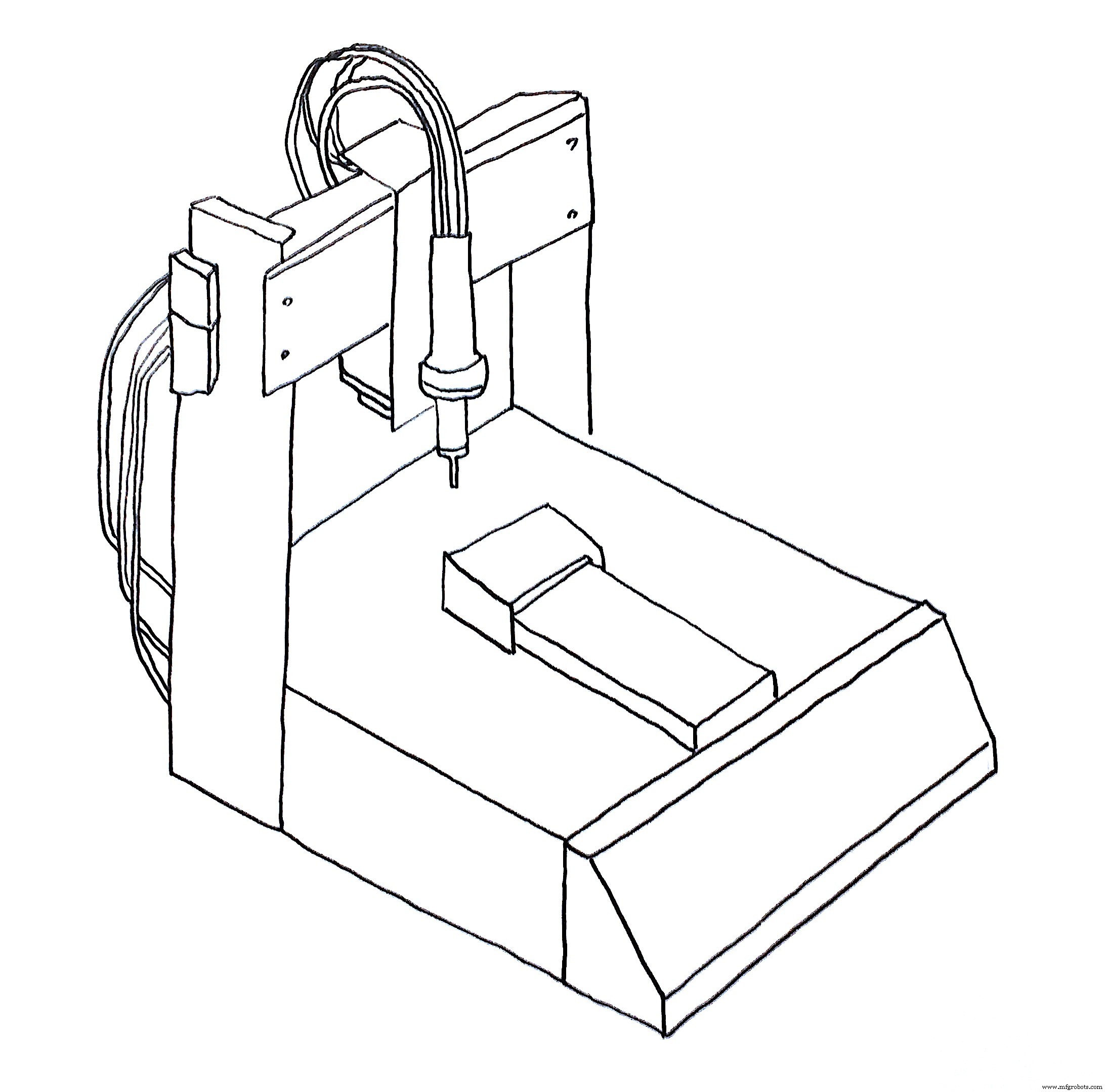
The benefits of automated screwdriving
Increased precision and faster screwdriving
Automating the screwdriving process can increase the product quality. The use of sensors ensures high precision and more optimal angles for fastening.
Automating the screwdriving process can also increase productivity. If manual workers get tired, they might need to slow down to keep the quality of every product the same.
On the other hand, an automated solution can work quickly and steadily while maintaining a consistent quality – without getting fatigued or needing to take a break.
Well-tested and cheap solutions are readily available on the market
You can automate screwdriving processes with either a machine or a robot, depending on the complexity of the task.
The benefit of choosing a machine for your screwdriving process is that cheap and simple solutions exist. If the screwdriving process is not too complicated, they can often deliver a fast performance with high quality.
If the component is complex and e.g. requires screwing on several surfaces or at different angles, it can be solved by adding a machine which holds the component and turns it into position.
While machines are cheaper and easier to deploy, they are not as flexible as robots. Robotic solutions can complete more tasks as they have several rotational joints and are more adaptable. They are good solutions for larger components, but they are more expensive and also require more space than a machine.
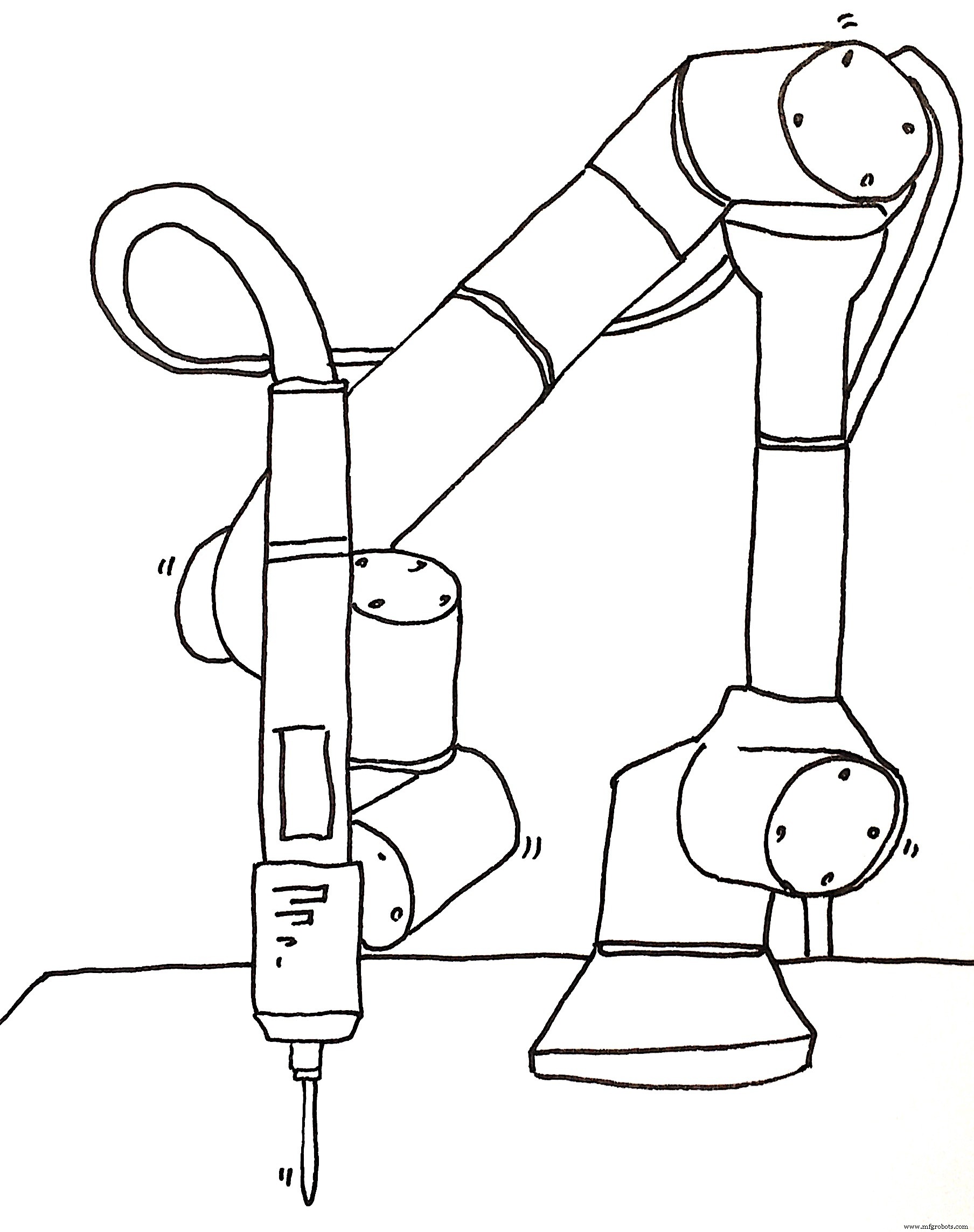
Challenges and drawbacks
Automated screwdriving can require additional space
In some cases, automated screwdriving solutions can take up more space than manual screwdriving. This is not due to the size of the screwdriving machine, but due to the safety area restrictions which may be required.
This is mostly the case for robotics systems. The automated screwdriving process also requires a screw feeder which can take up even more space. Not only should there be room for the screwdriving machine, there should also be room around the fastening location of the component that is worked on.
It is also important to note that other safety measure like e.g. fencing can prevent access and therefore complicate the process. A rule of thumb is that there must be 15mm free space where the head of the screw is to be installed.
Special tooling can be designed and help you access difficult areas, but this is of course another expense that needs to be taken into account.
Your screws and product material can complicate the process
Different kinds of screws and product materials give rise to different challenges. For example, screws with a sharp point can cause trouble.
If the screw is not perfectly aligned, it will bore into the side of recess and jam, instead of fitting correctly into the hole.
Moreover, screwdriving in soft materials can further increase the risk of jamming. The softer the material, the easier it is for the point of the screw to get caught in the side of the recess and jam.
A blunt point screw will reduce this issue, and so you should consider if your product allows for changing the screws.
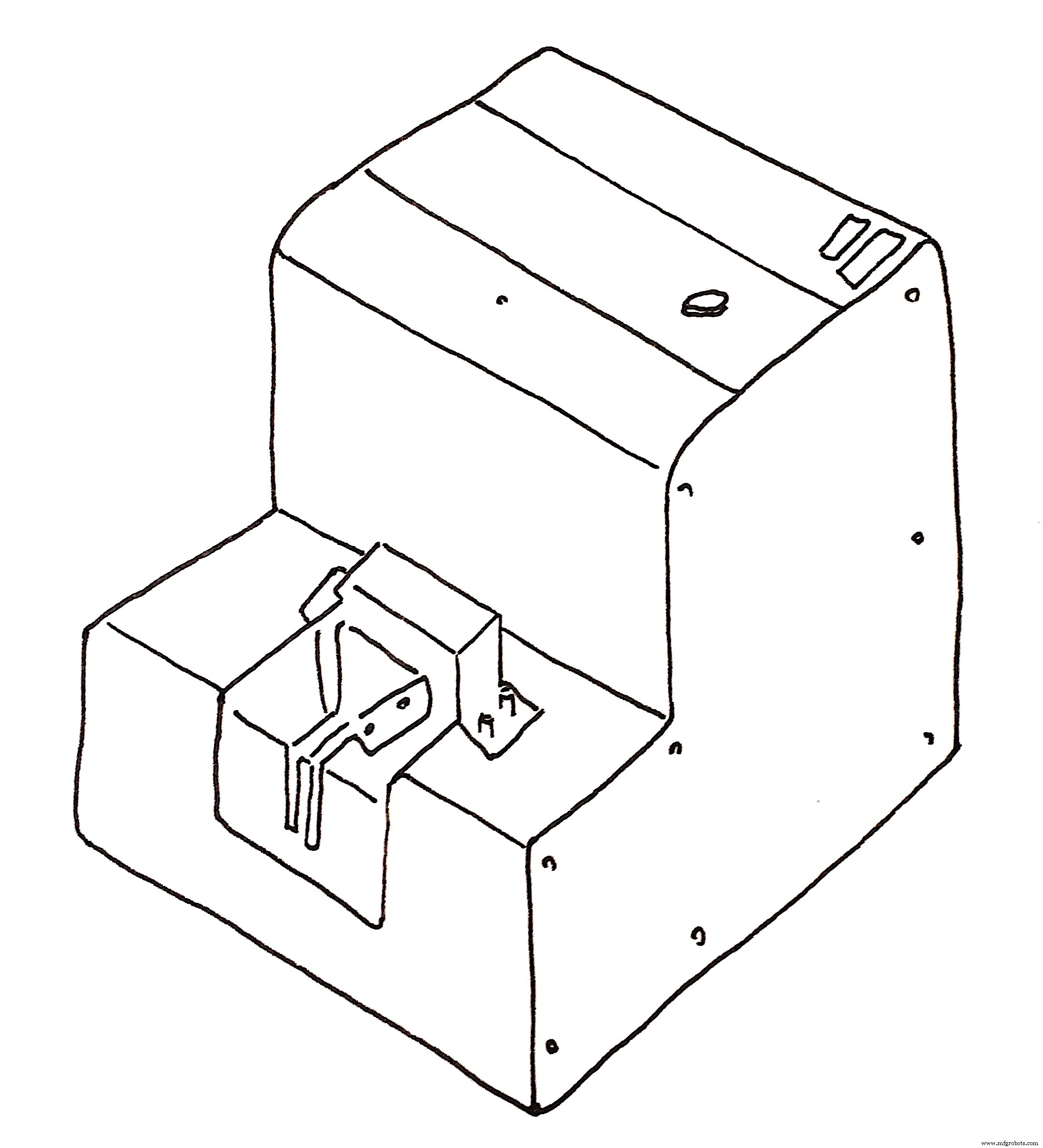
How to spot potential for automating your screwdriving processes
If you consider automating screwdriving processes in your company, you should take note of the following points. If some of these apply to your production, there might be potential for automation.
- Staffing: You use a large part of your staffing for the screwdriving process of your product. The more man-hours currently used for the screwdriving process, the more you can gain by automating the it.
- Suitable screws: You use screws that have internal drive recesses, are longer than they are wide and do not have a sharp point.
- Low variation of screws: You use few types of screws. The less variance of screws required for your product the better, since this will require a less complex solution.
- One surface screwdriving: You have a product which only needs screwdriving to be performed on one surface, from one direction.
- Space around screw holes: You have open space around the screw holes, at least 15mm around the screw holes.
- Low variation of products: You have products which are similar, and your new products use same type of screwdriving process.
Conclusion
Automating the screwdriving process can be a good way of increasing the productivity and product quality. However, you need to make sure that your screwdriving processes are fit for automation. Use the list above – and make sure that there is enough space in your production area for the new solutions.
Industrial robot
- Die Casting: Advantages, Challenges, and Key Insights for Manufacturers
- Unlock Hidden Value in Legacy Production Equipment with Smart Automation Upgrades
- Carbon Fiber Rings: Advantages, Disadvantages, and Why They’re a Smart Choice for Modern Jewelry
- Biodegradable Plastics: Benefits, Challenges, and the Path Forward
- Whitepaper: Unlock Your Automation Potential – 7 Proven Steps to Low‑Risk, High‑Reward Robot Projects
- Boost Production & Profit with Robotic Welding: Efficiency, Safety, Quality
- Should You Coat Your Pump? Weighing the Benefits and Drawbacks
- Technology in Manufacturing: Benefits, Challenges, and Future Outlook
- EDM Wire Cutting Machines: Advantages & Disadvantages Explained
- Installing Automation in Your Production Line: A Step-by-Step Guide