



Why Industrial Robot Integration Is Stalled—and How to Accelerate It
Industrial robot integration is a highly specialized art that relies on skilled solution architects to propel manufacturers toward new productivity heights. Yet, despite advances, many integrators face persistent roadblocks that limit the reach and scope of robotic deployments.
These challenges stem not only from a scarcity of talent but also from the demanding, often repetitive nature of integration work, which can yield limited returns in many production environments. The core issue lies in robotics itself: programming remains a complex, labor‑intensive task, and modern robots lack the flexibility to handle high‑variety parts or unstructured settings without extensive customization.
While 3D vision, sensor fusion, and AI promise greater autonomy, the requisite software and expertise have yet to mature to a level that truly simplifies integration. When these gaps are bridged, integrators can unlock a broader spectrum of industries, processes, and services that were previously out of reach.
Programming Complexity Persists Despite Innovations
Automating a process repeatedly—hundreds of thousands of times—without failure remains a hallmark of modern industrial robotics. Leading vendors such as FANUC, Kuka, ABB, Kawasaki, Universal Robots, and emerging niche players all deliver robots that meet stringent performance standards. Advances in materials have made these machines lighter, more agile, and more precise than ever before, enabling a range of specialized capabilities.
However, each robot’s design choices create divergent programming requirements and suitability across tasks. Expert integrators can navigate these nuances, but the limited availability of skills and the fragmented ecosystem still hinder broader adoption.
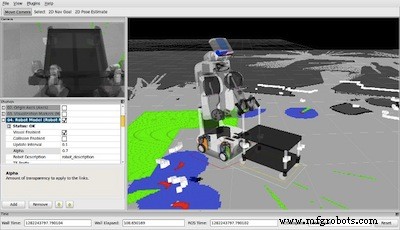
ROS, introduced in 2007, offered a unified framework for academics and early adopters but failed to resolve the core constraints that industrial integrators face: the need to bypass laborious planning, programming, and validation for each unique part or spatial configuration. Without a robust, cross‑platform middleware that abstracts these complexities, integration time remains unchanged.
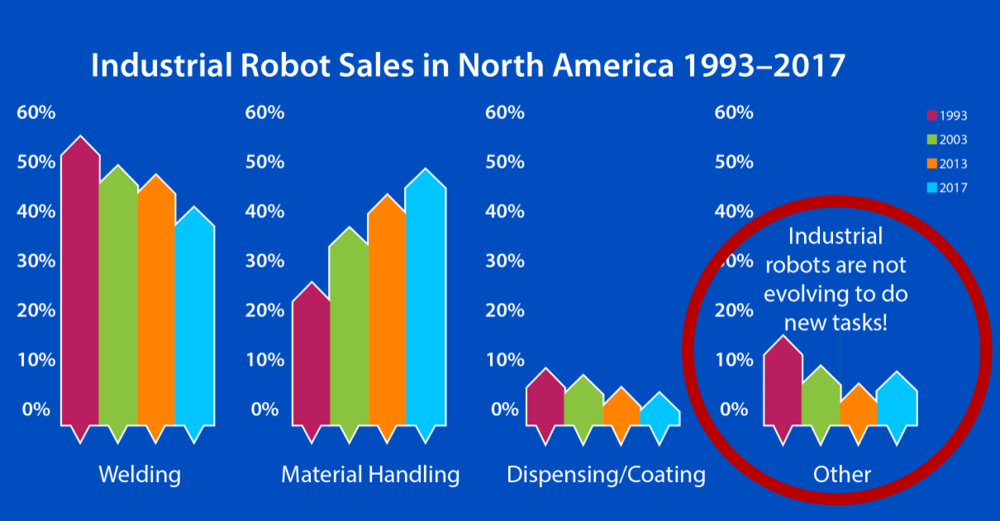
The Limitation of Small Batch Integration
A middleware solution cannot accelerate integration if each new product, process, or program still requires a fully customized, validated cycle. Even with simplified programming interfaces, the time investment for each unique scenario remains substantial.
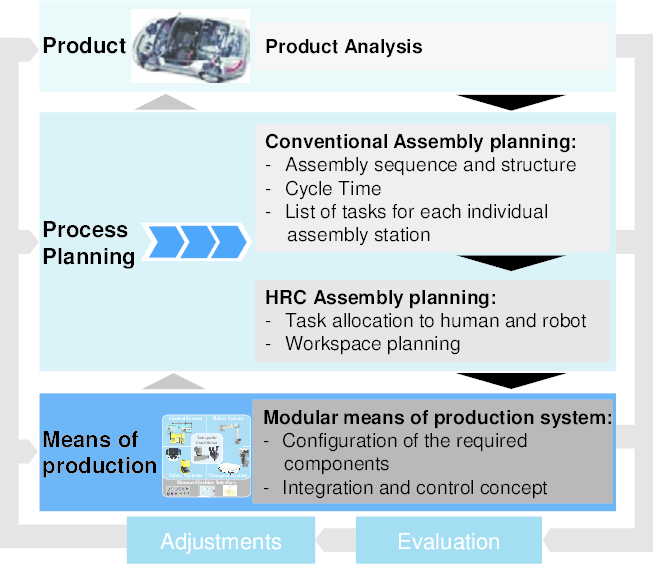
Vendors promote easier languages and human‑machine interfaces, yet every task still demands manual programming and subsequent validation. Machine shops that adopt robots for limited, repeatable runs can achieve modest gains, but the overall productivity uplift is limited, and opportunities for integrators to diversify services remain constrained.
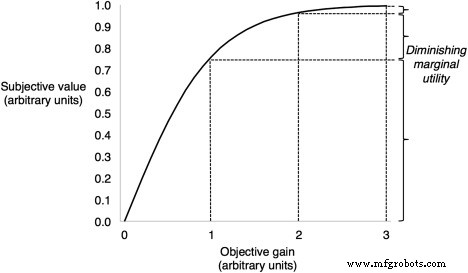
For high‑mix manufacturers—those producing thousands of SKUs—robotic marginal utility drops so low that few adopt automation. Integrators must find ways to eliminate or drastically reduce the programming burden to make robots viable across diverse part sets and processes.
The key lies in enabling robots to perceive and respond to parts and environments in real time. Advances in 3D vision and AI can, in theory, allow robots to self‑program based on sensory input—once the right software and skills are in place.
Beyond Vision: The Rise of Sensor Fusion
Sensor fusion—originally popularized by devices like Microsoft’s Kinect—has evolved to merge data from multiple sensors, providing robust environmental understanding. It now powers self‑driving cars, autonomous mobile robots, and even medical devices.
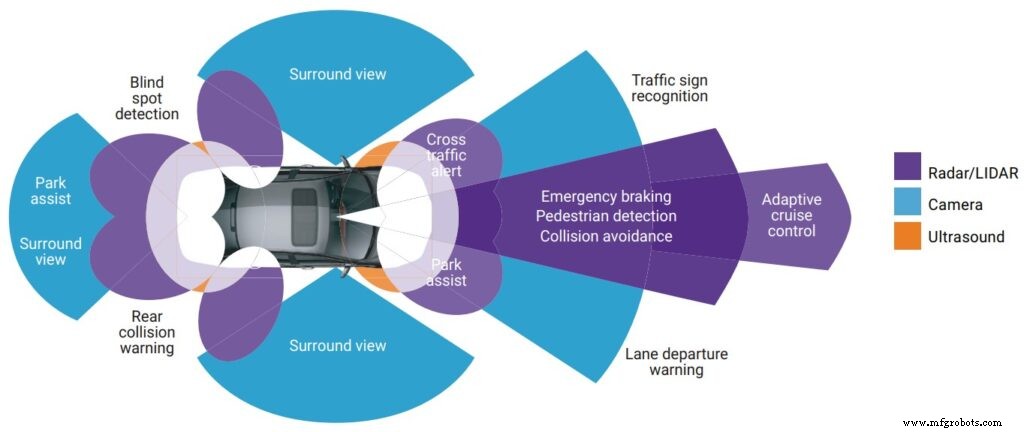
Although many manufacturers are embracing Industry 4.0 and IoT for remote monitoring and predictive maintenance, integrating machine vision into robotics remains a frontier. By equipping robots with the ability to identify objects in space, we can bring the same level of autonomy to factory floors that self‑driving cars enjoy on the road.
Current solutions exist, but they tend to target highly refined scenarios or off‑the‑shelf sensor kits from major vendors, often limited to simple picking tasks. Until robots can generate programs autonomously from visual data, incremental gains will dominate high‑mix environments.
Expanding into New Markets with Shape‑to‑Motion™
Integrators looking to penetrate untapped industries may find Omnirobotic’s Shape‑to‑Motion™ Technology a powerful enabler. By leveraging 3D vision, AI, and advanced process knowledge, this technology identifies objects by shape, plans, and executes unique robot motions for each part in real time—while remaining compatible with existing robot motion drivers.
Shape‑to‑Motion™ unlocks high‑mix applications in aerospace, heavy equipment, furniture, appliances, and beyond, where coating or finishing processes demand precision across a vast array of parts. This eliminates the bottleneck of manual programming and opens new revenue streams for integrators.
Omnirobotic offers self‑programming technology that lets robots see, plan, and execute critical industrial spray and finishing processes. Our Shape‑to‑Motion™ Technology generates unique robot motions in real time for each part and requirement. See what kind of payback you can get from it here.
Industrial robot
- Choosing the Best Industrial Paint Robots for Optimal Quality and Efficiency
- Industrial Robots: Design, Manufacturing, and Future Trends
- Maximize Robot Longevity: Expert Preventative Maintenance Strategies
- How Industrial Robots Revolutionize Automotive Manufacturing
- Revolutionizing Manufacturing: 21st Century Industrial Robotics
- Debunking the Top 3 Myths About Industrial Robot Integration
- Modern Industrial Robots: Transforming Production & Quality
- Optimizing Production: Seamless Integration of Dispensing Robots
- Unlocking Industrial Robot Potential: Efficiency, Precision, and Versatility
- Why Six-Axis Robots Boost Industrial Automation