



Arm Boosts EDA Throughput 10x by Migrating to AWS Cloud
Amazon Web Services (AWS) announced that Arm is moving the bulk of its electronic design automation (EDA) workloads to the cloud, a transition that could increase design and verification throughput by up to tenfold.
Design engineers have increasingly turned to cloud platforms, a shift accelerated by the 2020 shift to remote work during the COVID‑19 pandemic. Major providers such as AWS, Microsoft, and Intel’s DevCloud offer the scale and flexibility that semiconductor teams need.
Arm’s decision to migrate EDA workloads to AWS marks a significant strategic move, simplifying the workflow for engineers building products on Arm processors. The company also plans to shrink its global data‑center footprint by at least 45 % and cut on‑premises compute by 80 % as the migration completes.
The migration leverages AWS Graviton2‑based instances powered by Arm Neoverse cores, positioning Arm to transform a segment of the semiconductor industry that has traditionally relied on on‑premises data centers for compute‑intensive verification.
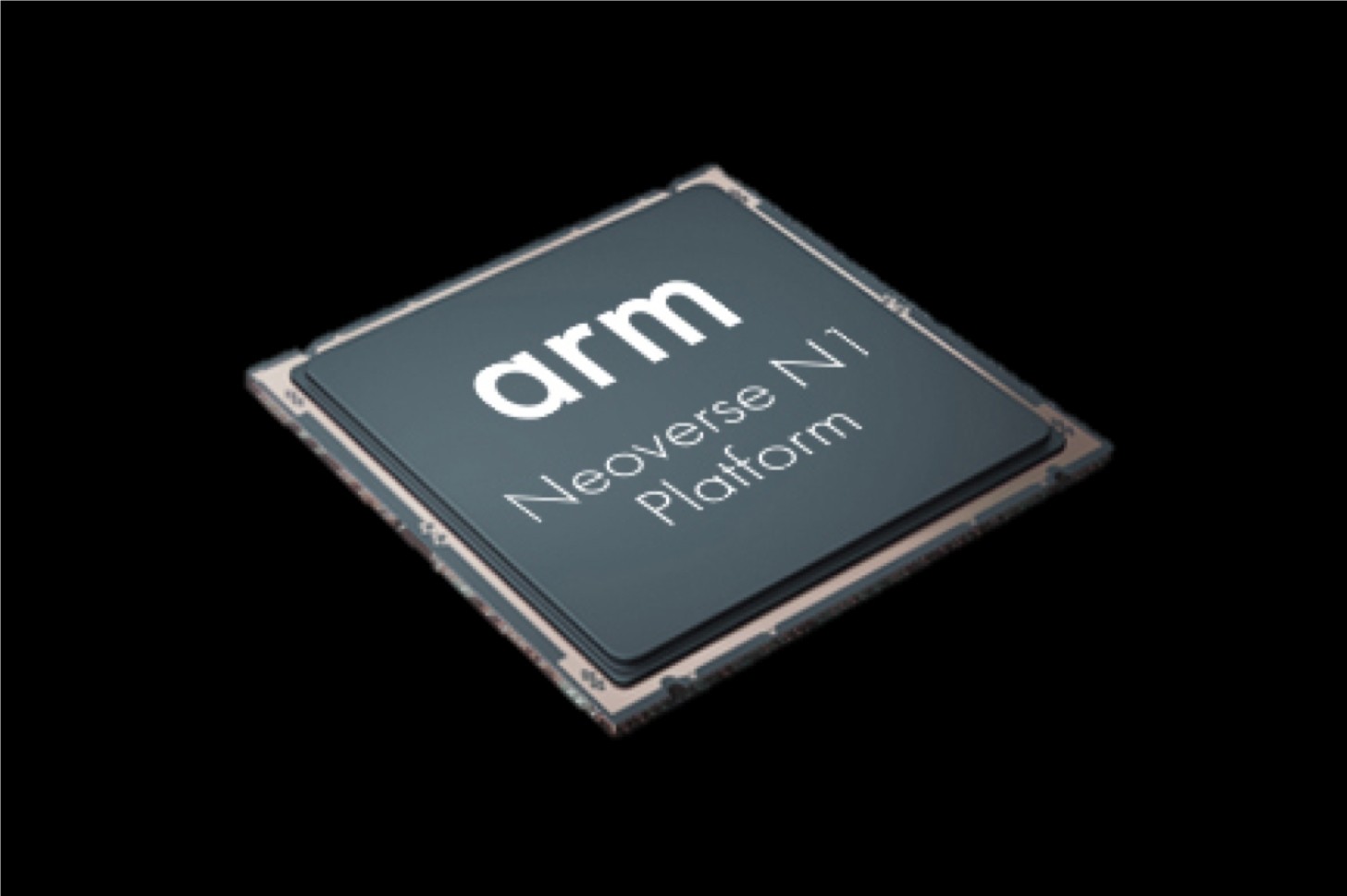
By harnessing AWS’s virtually unlimited storage and high‑performance computing infrastructure, Arm runs large‑scale simulations of real‑world compute scenarios in parallel. Since beginning the migration, Arm reports a six‑fold improvement in EDA workflow performance. Additionally, processing telemetry data on AWS delivers deeper engineering, business, and operational insights, helping optimize costs and resource allocation across the organization.
Semiconductors power virtually every modern device—from smartphones to data‑center infrastructure and autonomous vehicles. Each chip contains billions of transistors engineered at the single‑digit nanometer scale—roughly 100,000 times smaller than a human hair—pushing the limits of performance and space.
EDA enables this extreme engineering by orchestrating front‑end design, simulation, verification, and back‑end tasks such as timing, power analysis, and design‑rule checks. These highly iterative workflows can span months or years, demanding massive compute resources. On‑premises data centers force companies to juggle cost, schedule, and capacity, often leading to idle resources or bottlenecks.
Transitioning to AWS eliminates the constraints of legacy on‑premises EDA workflows, providing elasticity through scalable compute power. Arm can now run simulations in parallel, streamline telemetry and analysis, shorten iteration times, and add testing cycles without jeopardizing delivery schedules. Leveraging Amazon EC2 across a range of specialized instance types optimizes cost and timeline efficiency.
Arm’s use of Graviton2 instances delivers high performance and scalability, enabling operations that would otherwise require hundreds of thousands of on‑premises servers. AWS Compute Optimizer, powered by machine learning, recommends optimal EC2 instance types for specific workloads, further refining workflow efficiency.
Graviton2 instances deliver over 40 % higher throughput per dollar compared to previous‑generation x86 M5 instances, boosting Arm’s engineering productivity while reducing expenditures.
Arm also partners with Databricks on Amazon EC2 to build and run machine‑learning applications. By processing data from every stage of its engineering workflows on the Databricks platform, Arm extracts actionable insights for its hardware and software teams, translating into measurable gains in engineering efficiency.
The president of Arm’s IP group, Rene Haas, said, "Through our collaboration with AWS, we’ve focused on improving efficiencies and maximizing throughput to give precious time back to our engineers to focus on innovation. Now that we can run on Amazon EC2 using AWS Graviton2 instances with Arm Neoverse-based processors, we’re optimizing engineering workflows, reducing costs, and accelerating project timelines to deliver powerful results to our customers more quickly and cost‑effectively than ever before."
Peter DeSantis, senior vice president of global infrastructure and customer support at AWS, added, "Graviton2 processors can provide up to 40 % price‑performance advantage over current‑generation x86‑based instances."
Embedded
- AWS Monitoring Tools: Master Cloud Security & Performance
- AWS Monitoring Tools: Bridging Performance Gaps
- AWS, Azure, and Google Cloud: 2024 Cloud Competition Analysis
- AWS 2020 Cloud Updates: Key Enhancements and New Features
- Is AWS a Smart Career Choice? Insights into Roles, Earnings, and Growth
- Mastering AWS Cloud: Key Essentials & Skills for Success
- AWS Practitioner Interview: Expert Q&A for Aspiring Cloud Professionals
- Average Salaries for AWS‑Certified Professionals: What to Expect
- Cloud‑Enabled EDA: Accelerating Chip Innovation and Cost Efficiency
- Azure vs AWS: Which Cloud Platform Wins for IoT?