



Cartesiam Releases NanoEdge AI Studio V2: Edge Anomaly Classification Directly on Arm Cortex‑M Microcontrollers
Cartesiam has unveiled NanoEdge AI Studio V2, the first IDE that supports anomaly classification directly on all Arm Cortex‑M microcontrollers. Alongside the IDE, the company launched a web‑based platform that offers real‑world datasets for representative use cases, and announced a partnership with Bosch Connected Devices and Solutions to integrate the IDE into Bosch’s IoT product portfolio.
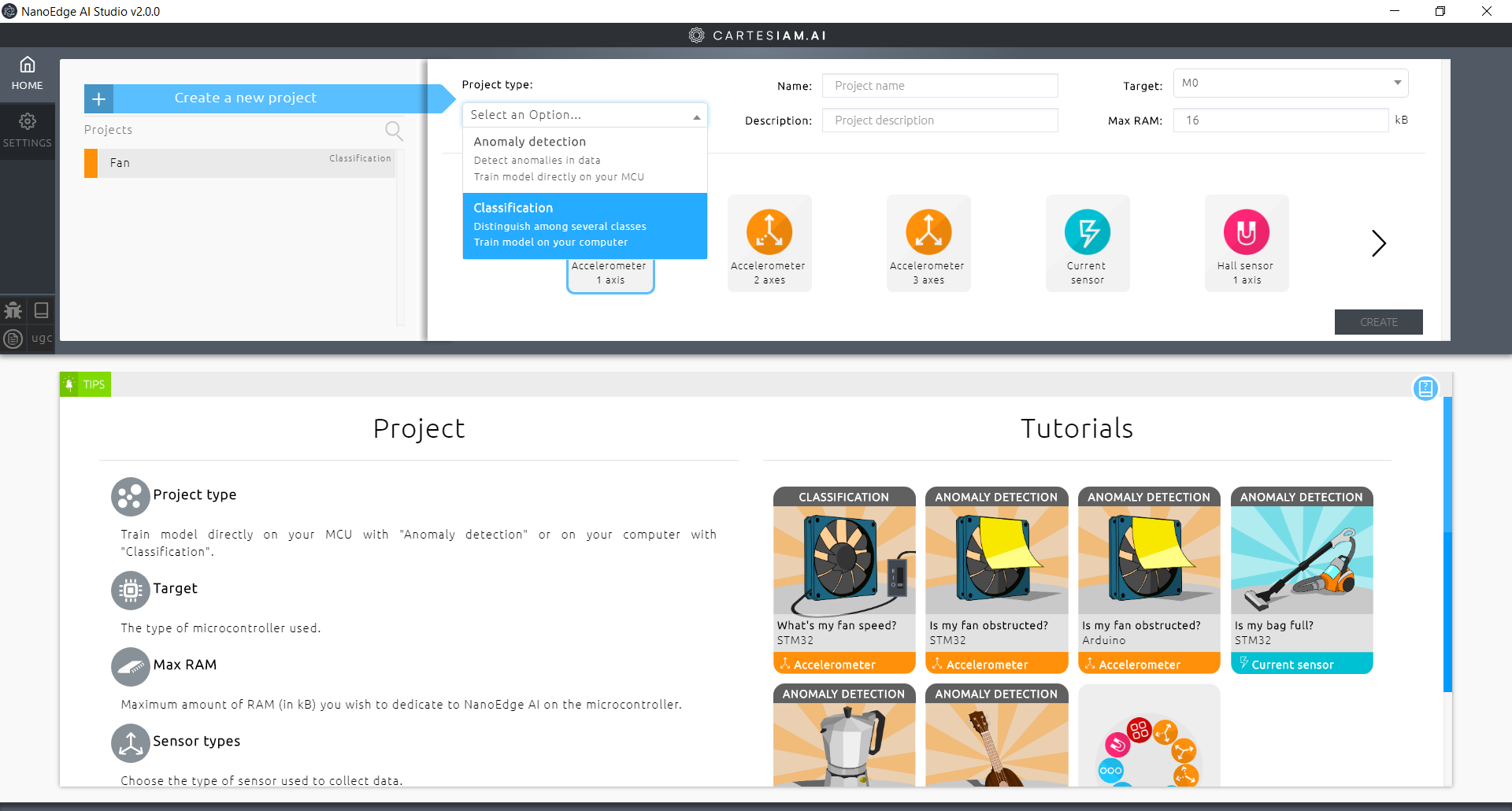
After launching its first AI development environment earlier this year, Cartesiam now releases NanoEdge AI Studio V2, which streamlines machine‑learning model creation and inference while adding dedicated classification libraries that run natively on Arm Cortex‑M MCUs.
The new IDE offers a superior anomaly detection workflow: the model is trained directly on the microcontroller, enabling the classifier to pinpoint the exact nature of an issue rather than merely flagging a generic fault. This insight empowers users to make more informed decisions.
According to Joël Rubino, CEO and co‑founder of Cartesiam, 'Our solution has been engineered from day one to fit inside a microcontroller. We re‑design all machine‑learning and signal‑processing algorithms so they run natively on an MCU. Other solutions on the market are scaled‑down versions of frameworks built for servers with unlimited resources, which are then compressed to fit on an MCU. Our libraries are therefore far more optimised than competitors—such as Google TensorFlow or other cloud‑based AI solutions. We typically fit into 4 KB of RAM in a standard configuration, and most often below 1 KB.'
Tailored for Arm Cortex‑M MCUs, the IDE removes the need for data‑science or signal‑processing expertise. Its intuitive desktop interface lets embedded developers concentrate on business requirements, not algorithm selection. The tool supports rapid on‑edge learning, delivering iterative training in just 30 ms on an Arm Cortex‑M4 80 MHz core, and brings intelligence to devices quickly.
Cartesiam reports that thousands of commercial IIoT devices already ship with NanoEdge AI Studio V1 for anomaly detection. With the new classification libraries in V2, developers can now move beyond detection to directly identify and qualify faults at the endpoint.
Cartesiam builds tools that empower embedded developers with a push‑button approach that requires no data‑science background, unlocking AI for billions of resource‑constrained devices powered by Arm Cortex‑M MCUs,' says Rubino. 'We initially designed NanoEdge AI Studio to meet the demands of our predictive‑maintenance customers, who had amassed operational data and wanted to classify and anticipate events. The latest IDE lets them—and any embedded designer—create classification libraries effortlessly, cutting costs and accelerating time to market.'
Our solution runs on a PC—no cloud connection or hidden costs. Many European companies are wary of sending data to the cloud for privacy reasons, and the hidden cloud computing cost.
Sample datasets at new web‑based platform, Bosch IoT partnership
Sample datasets and a use‑case explorer are now available at data.cartesiam.ai, a new web‑based platform. Users can download real datasets and experiment with NanoEdge AI Studio on scenarios such as ventilator obstruction detection, breast‑cancer screening, vacuum‑bag volume monitoring, and more. The portal will grow as we add additional datasets.

Alongside the IDE and web platform launch, Bosch Connected Devices and Solutions will integrate NanoEdge AI Studio into its XDK—Bosch’s cross‑domain development kit—to broaden its IoT product lineup.
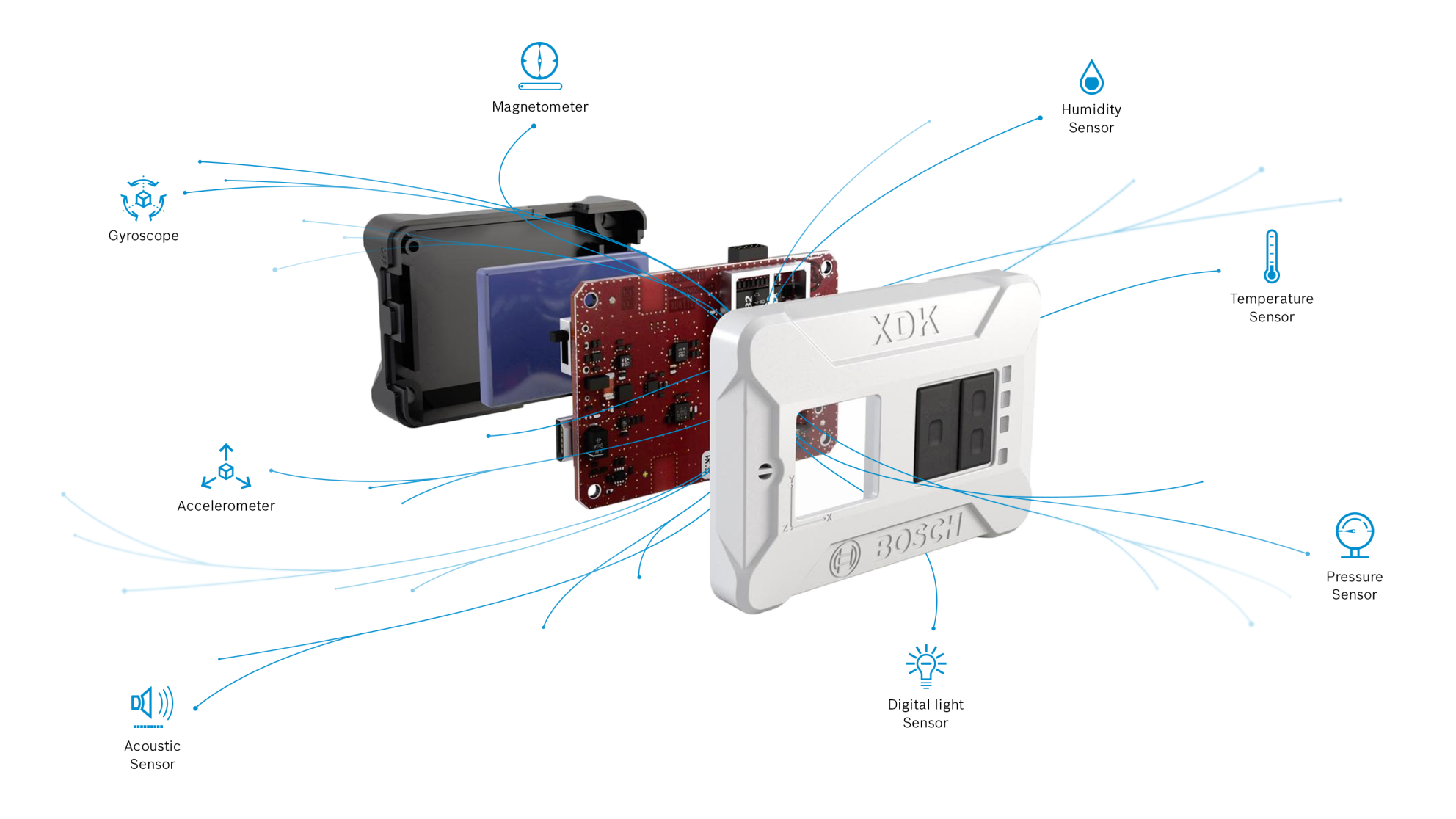
Ando Feyh, head of technical responsibility at Bosch Connected Devices and Solutions, said, 'The XDK’s eight‑sensor suite enables designers to monitor, control, and analyze processes remotely over Bluetooth or Wi‑Fi, giving customers a rapid path to smarter, connected machines. NanoEdge AI Studio V2 adds anomaly detection and classification capabilities for one or more sensors. We plan to deploy Cartesiam’s platform across many internal and external projects and are working closely with Cartesiam to integrate NanoEdge AI Studio into the XDK.'
Embedded
- ITTIA Unveils Edge‑Optimized Database for Microcontrollers, Enhancing Real‑Time Data Management
- Cartesiam Releases NanoEdge AI Studio V2: Edge Anomaly Classification Directly on Arm Cortex‑M Microcontrollers
- Arm Introduces Custom Instruction Support for Cortex‑M Cores, Expanding Flexibility
- Edge AI Chips: Driving the Future of On-Device Intelligence
- Microcontrollers Power the Next Wave of Edge AI
- Renesas Expands Synergy Series with Low‑Power S5D3 MCUs Featuring Advanced Security
- Renesas Introduces Secure RA MCU Series for Industrial IoT and Edge Applications
- Edge AI: Accelerating On-Device Intelligence and Transforming Consumer and Enterprise Markets
- Memory Technologies Powering Edge AI: Challenges and Opportunities
- Hands‑On Machine‑Learning with the reTerminal: Edge Impulse & ARM NN Demo Guide