



Intel OpenNESS Toolkit Boosts Altran’s Edge Computing Platform
Engineering services leader Altran has unveiled a next‑generation edge computing platform powered by Intel’s open‑source OpenNESS toolkit. The upgrade is part of a broader collaboration with Intel, telecom operators and the GSMA to showcase a multi‑operator edge solution later this year.
The enhanced Ensconce platform now integrates Intel’s Open Network Edge Services Software (OpenNESS) along with complementary Intel technologies. By weaving together advanced accelerators, frameworks and micro‑services, the platform delivers rapid development of multi‑access edge computing (MEC) applications with superior computing and I/O performance, and noticeably lower network latency.
Designed to operate in micro‑data centers close to the access network, aggregation points, regional data centers or central offices, Ensconce removes the barrier for developers wishing to host edge workloads. It offers a developer‑friendly SDK that supports on‑demand application deployment, discovery of edge nodes, cross‑operator orchestration and full lifecycle monitoring.
OpenNESS brings a micro‑services architecture that accelerates virtual switching and enables cloud‑like agility across any network type. By exposing unified interfaces for 4G and 5G, Altran can fully exploit Intel Xeon processors and accelerators, driving both compute throughput and I/O efficiency while cutting latency.
Coupled with Intel’s OpenVINO, Ensconce supports low‑latency inference on a spectrum of AI accelerators—including Intel Xeon scalable processors, Movidius VPUs, FPGAs and dedicated neural accelerators—alongside a library of optimized models for computer vision and other domains.
Pascal Brier, Altran’s EVP of Strategy, Technology & Innovation, said, “Our MEC platform prioritises developer experience. By integrating OpenNESS and OpenVINO, we significantly enhance our edge solution, strengthening the value proposition for both developers and operators.”
Intel’s Renu Navale, VP of Data Platforms and GM of Edge Computing & Ecosystem, added, “The demand for edge platforms that are developer‑friendly and versatile is growing. Our partnership with Altran, blending OpenNESS modules and other Intel components, creates a compelling, ecosystem‑accelerating solution.”
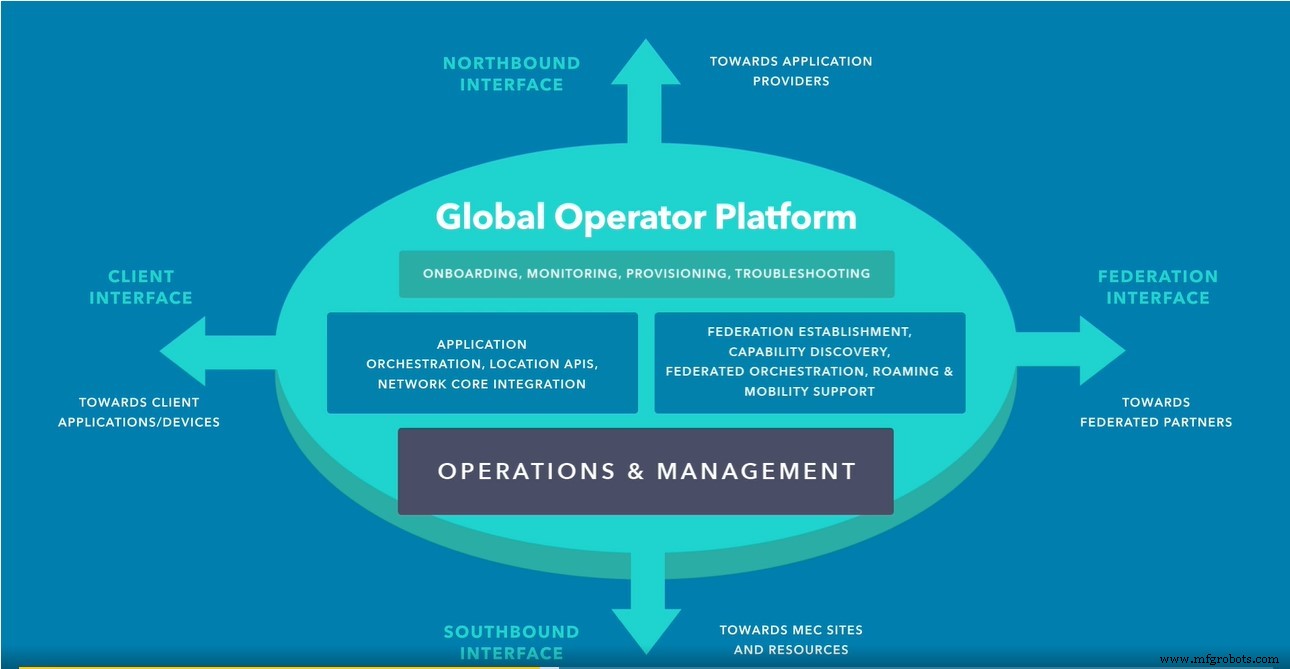
Altran and Intel are also collaborating with a consortium of operators, vendors and the GSMA to build a global multi‑operator edge platform. Powered by Ensconce, this initiative will allow operators to jointly deliver edge services to end users, irrespective of location. A proof‑of‑concept demonstration is slated for operator sites later this year.
Juan Carlos García, SVP of Technology & Ecosystems at Telefónica, remarked, “Edge computing is maturing and will soon fully support 5G’s performance promises. Collaborations like this are a pivotal step toward robust commercial solutions for future edge services. The joint work of Intel and Altran, both active in ETSI, GSMA and LFN, will help deliver open, global, interoperable MEC solutions.”
Embedded
- Defining the Edge: Where Edge Computing Truly Happens
- Why Edge Computing Is Essential for IoT Success
- IoT Edge Computing: Bridging Devices and Cloud for Real‑Time Insights
- u‑blox F9 GNSS Platform Enhances Xpeng P7 ADAS Precision
- Congatec Unveils 10 New COM Express Type‑6 Modules Powered by Intel Coffee Lake H Processors
- NXP & Moter Launch Edge Platform Bridging Vehicle Data to Insurance Ecosystem
- Elevate In‑Store Retail with Edge Computing: Data‑Driven Solutions for Better Customer Experiences
- Edge Computing in Manufacturing: A Complete Guide for Manufacturers
- Litmus Automation Launches LoopEdge 2.0: Advanced Edge Computing for Industrial Analytics
- Harnessing IoT Edge Computing for Real‑Time Data Analysis