



How Connected Networks Are Revolutionizing Modern Agriculture
Smart agriculture blends scientific precision with artistic intuition, leveraging technology to enhance every farming activity. Since the wheel and the plough, the industry has continually embraced innovation to meet evolving challenges.
Today, the era of the high‑tech farm is defined by disruptive technologies that transform how farmers monitor, manage, and visualize every facet of production. "Growing enough food for a growing population is never easy," says Shawn Chandler, former chair of the IEEE Internet of Things Smart Cities Working Group. "With mounting resource pressure, investing in cutting‑edge solutions is more critical than ever to ease the industry’s burden," he adds.
The Growth of Connection and Data Collection
Traditional large‑area farming now benefits from a network revolution. Communications networks and networked sensors allow real‑time monitoring of crop conditions and environmental factors. Soil sensors report moisture, temperature, and pH, while environmental sensors track insolation, rainfall, wind speed, air temperature, and humidity.
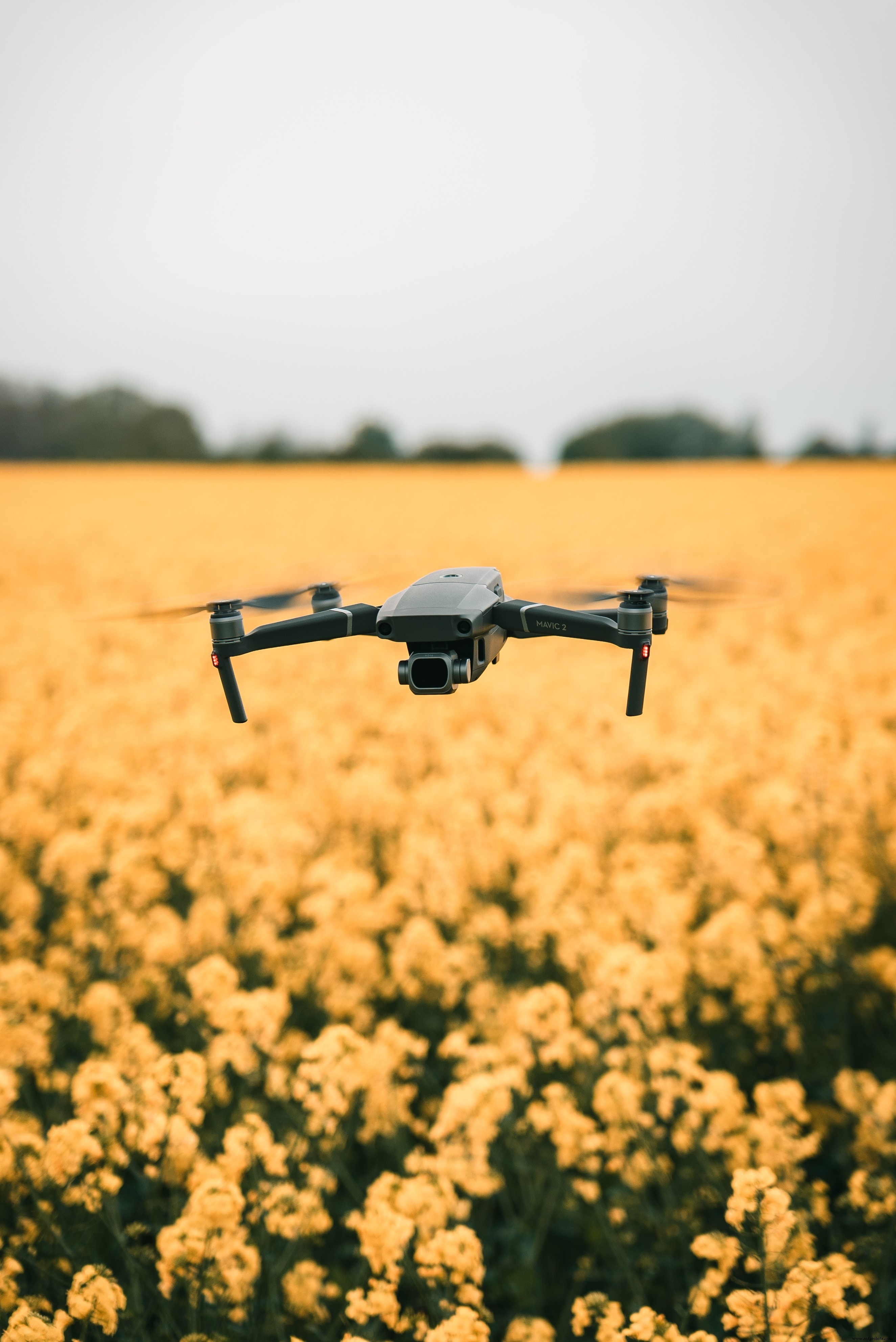
Modern drones, when linked to these networks, provide rapid, real‑time surveys of crops and pest activity, enabling farmers to cover vast fields with minimal physical presence.
Facing tighter budgets and limited space, many farmers turn to automation. High‑efficiency planting, watering, maintenance, and harvesting systems optimize land use, resources, and time. Automated planting maximizes plant density per area, while precision irrigation can cut water use by up to 50% without compromising yields. Indoor farming benefits from precise LED lighting and photoperiod control, reducing energy costs and boosting output.
Data analytics further enhance decision‑making. By merging sensor data with machine‑learning models, farmers can detect patterns, receive alerts, and act proactively—leading to higher yields and lower costs.
New Technologies, New Challenges
Adopting remote data collection demands robust communication networks. Farmers can choose third‑party networks or invest in private networks with high throughput for thousands of devices—though the latter requires significant capital and technical support.
Data storage is another critical factor. Sensors differ in data volume and frequency, and complex sensors—while offering richer insights—generate larger packets, demanding better network performance or strategic communication scheduling.

Smart business models often rely on software to balance supply and demand across the farm‑to‑table chain. Managing processes through integrated platforms reduces costs, improves yield quality, and streamlines logistics.
Successful implementation requires both agricultural expertise and technical proficiency. Farmers must understand when to irrigate and interpret sensor thresholds—highlighting the need for holistic training and support.
In the smart farm ecosystem, sensors, networks, and data analytics converge to transform every stage—from sowing to harvest. As technology reshapes the field, it also redefines the farmer’s role, enabling remote monitoring and data‑driven decision‑making that optimize resource use and food production.
The author is Shawn Chandler, past chair – IEEE Internet of Things Smart Cities Working Group
Internet of Things Technology
- The Cloud Revolution: How Cloud Computing Transforms IT, Security, and Careers
- How IoT is Revolutionizing Inventory Tracking
- Industrial Internet: Revolutionizing Asset Management Through Connectivity, Analytics, and User Experience
- IoT’s Next Frontier: Future Solutions Shaping the Global Supply Chain
- IoT-Enhanced Warehouses: Overcoming Challenges and Shaping the Future of Supply Chain Management – Part 3
- Data Center Consolidation: Cutting Costs, Enhancing Security, and Boosting Efficiency
- The Future of Data Centers: Trends, Tech, and Sustainability
- Data-Driven Supply Chains: Powering Tomorrow’s Logistics
- The Future of Cruising: How IoT Is Transforming the Passenger Experience
- Cat® Technology: Revolutionizing Construction Efficiency and Safety