



IoT-Enhanced Warehouses: Overcoming Challenges and Shaping the Future of Supply Chain Management – Part 3
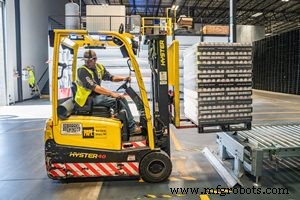
While IoT‑driven warehouse systems promise transformative efficiency, they also introduce unique hurdles. Even though industry giants such as Amazon, Ocado, and Alibaba have embraced the technology, a significant portion of third‑party logistics (3PL) providers remain cautious, according to Jaykishan Panchal, content marketing strategist at MoveoApps. In earlier parts of this series, we explored the cutting‑edge technologies powering modern warehouses.
- Lack of IoT standards and regulations
The absence of globally recognized IoT standards complicates adoption. Because internet connectivity and cloud services cross borders, no single regulatory body governs IoT devices. Manufacturers worldwide release new devices daily, making local authorities unable to enforce uniform compliance. Without clear rules governing data exchange, access, or storage, businesses and consumers face heightened security risks. A coordinated effort between the global tech community and regulators is essential to establish comprehensive standards for the IoT sector.
- Security concerns
Despite advancements in internet security, vulnerabilities persist. IoT‑based warehouse systems rely on continuous data exchange, creating prime targets for cybercriminals. The average cost of a data breach globally is $3.86 million (€3.37 million), with an average detection time of 196 days. Projections indicate that cybercriminals could steal approximately 33 billion personal records by 2023.
- Data management
IoT deployments generate massive volumes of data. Turning raw telemetry into actionable insights requires real‑time processing and sophisticated analytics. Without dedicated data scientists and robust pipelines, the information can become an unstructured data swamp. 3PL operators must invest in skilled talent and training programs to unlock the full potential of warehouse automation.

- Infrastructure
Robust infrastructure—network hardware, sensors, cabling, mPOS systems, computers, wearables, and cobots—underpins efficient data flow. Advanced deployments entail higher capital expenditures, often beyond the reach of small and medium logistics firms. Nonetheless, the return on investment can be rapid when properly executed.
Future outlook
Despite these challenges, smart warehouse technology continues to evolve rapidly, with artificial intelligence emerging as a pivotal driver for the logistics industry.
Using AI, the industry aims to –
- Predictive analytics
With advanced AI algorithms, retailers can build customized predictive models that process the vast data collected across the supply chain. In the near future, hyper‑efficient warehouses will be able to regulate everything—from HVAC systems to inventory levels—in real time using predictive insights.
- Responsive supply chain
Greater automation and hyper‑connectivity will create a responsive, highly intelligent supply chain. Every item will be precisely located, tracked, and measured from manufacturing through to the end‑consumer. Manufacturers can dynamically adjust production rates, while warehouses optimize storage based on real‑time demand signals.
- Unmanned Aerial Vehicles (UAVs) for deliveries
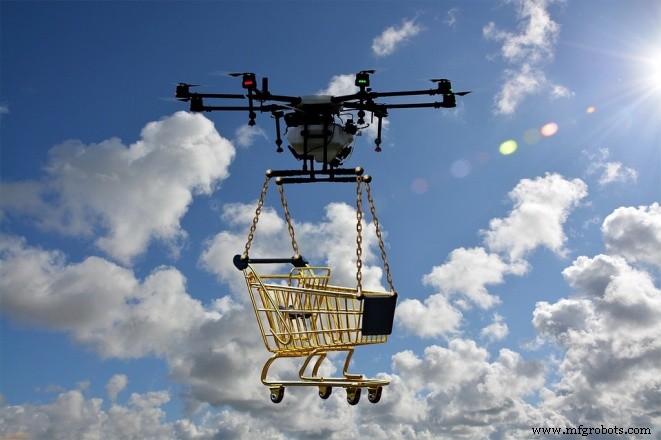
In the not‑so‑distant future, UAVs or drones will enable same‑day or express deliveries, especially in dense urban environments. Amazon is testing Prime Air in multiple locations to reduce delivery times to 30 minutes or less, while UPS has begun experimenting with drone deliveries from its vans’ rooftop helipads. These innovations are poised to become integral components of smart warehouses and supply‑chain ecosystems.
The author of this blog is Jaykishan Panchal, a content marketing strategist at MoveoApps
Internet of Things Technology
- How Cloud Providers are Transforming IoT Data Management and Analytics
- IoT-Driven Supply Chain Management: Real-Time Asset Tracking & Fleet Optimization
- Revolutionizing Logistics: How IoT Drives Supply Chain Efficiency
- IoT’s Next Frontier: Future Solutions Shaping the Global Supply Chain
- How IoT Is Revolutionizing Supply Chains – Part 1: Key Applications
- How IoT‑Enabled Warehouses Transform Supply Chain Management – Part 2
- IoT-Enabled Warehouses: Revolutionizing Supply Chain Management – Part 1
- Real-Time Data Drives Precision in Temperature-Controlled Supply Chains
- 5 Proven Benefits of IoT-Enhanced Supply Chains
- Harnessing IoT for Smarter, More Efficient Supply Chain Management