



Elevate Your Operations: Leveraging IoT Tank Monitoring for Safer, Smarter, and More Profitable Petroleum Management
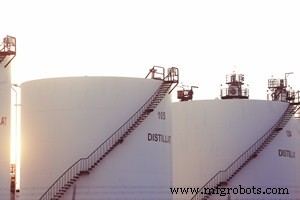
The Internet of Things (IoT) has long been a component of the petroleum sector, but the true advantage lies in unlocking actionable insights from the data it generates. In an era of heightened uncertainty, companies are moving beyond simple asset management to weave data throughout the entire value chain—fueling advanced workflows that anticipate market shifts, cut costs, and unlock new revenue streams. As Anton Albrand, Vice President of SkyBitz Tank Monitoring, notes, the key differentiator is how an organization extracts and applies that information.
According to a 2017 report by Berg Insight, the global installed base of active remote tank monitoring units hit nearly 1.8 million. With a compound annual growth rate of 37.2 %, projections estimate that number will swell to 8.6 million units worldwide by 2022—an unmistakable indicator that IoT‑enabled monitoring is becoming an industry standard.
How It Works
At its core, IoT couples rugged sensors with cellular or satellite communications and cloud‑based analytics. Wireless devices capture tank level, temperature, and pressure data, then transmit it to a central data hub where sophisticated calculations occur. The resulting insights are delivered via web portals, mobile apps, or directly integrated into existing back‑office systems.
These monitors are inexpensive, sensor‑driven units that can be dropped into a tank to provide continuous, real‑time measurements. Designed for harsh outdoor environments, they are built to withstand extreme weather and corrosive liquids. In hazardous locations, the devices are Class 1 Division 1 certified and intrinsically safe, ensuring compliance with the strictest safety standards.
Battery life is a critical design consideration. Because these devices often operate in remote areas, they are engineered to transmit data for many years on a single charge, eliminating the need for frequent battery replacements.
Visibility begins at the device: tank level and product consumption are logged and shared across verticals, creating transparency throughout the supply chain. Custom alerts and notifications are triggered by business rules tied to specific tank levels, enabling proactive management in operations, sales, finance, customer service, and maintenance. 
IoT’s Impact Across the Petroleum Value Chain
Each segment—upstream, midstream, and downstream—faces unique challenges that IoT can address, from production planning to inventory control and equipment scheduling. One of the most compelling downstream use cases is customer service: digital monitoring eliminates the need for manual tank checks, reducing over‑service by an average of 35 % and cutting unsafe, labor‑intensive practices.

Accurate, real‑time tank level data means servicing only tanks that truly need attention—eliminating wasteful “topping off” and unnecessary trips. Mobile apps and integrated software allow teams to set threshold alerts, ensuring that delivery efficiency is maintained and that the organization can expand service coverage while driving down fleet costs.
Realizing the Full Value of IoT Tank Monitoring
The most significant gains come when every business unit harnesses data from remote assets and complementary third‑party systems. By integrating this information into day‑to‑day operations, companies can schedule activities weeks in advance, mitigating risk and boosting responsiveness.
Adopting IoT in a structured manner involves three incremental steps: 1) Define clear operational objectives and quantify the initial ROI; 2) Master data analysis, leveraging notifications and alerts for swift, intelligent decisions; 3) Embed the insights into long‑term strategy, creating a new standard that elevates efficiency across the entire supply chain. 
When logic‑driven rules span multiple departments, rapid decision‑making becomes routine. Transparency between customers and suppliers becomes the norm, and forecasting—whether seasonal, economic, or inventory‑based—evolves from an exception to a daily practice. This capability translates into reduced capital outlays, higher productivity, and a stronger competitive position.
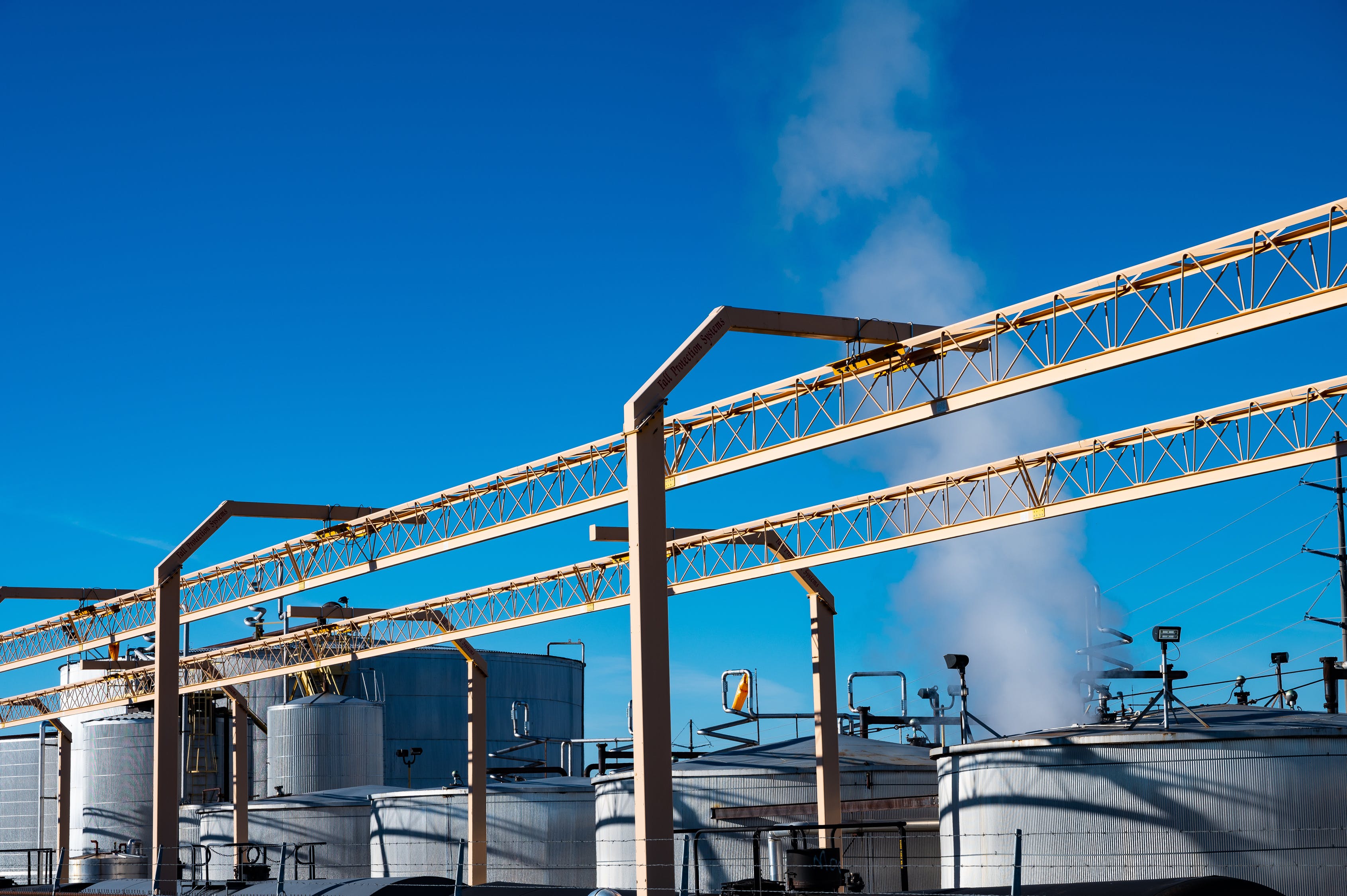
IoT is reshaping the world. Leaders in oil and gas recognize that an integrated IoT strategy not only lowers costs and enhances safety but also opens new revenue channels and deepens customer value.
The author is Anton Albrand, vice president, SkyBitz Tank Monitoring
About the Author
Anton Albrand serves as Vice President at SkyBitz Tank Monitoring, a provider of wireless managed telemetry solutions for the chemical and oil & gas industries. With over two decades of experience across wireless communications, logistics, consumer products, private equity, SaaS, and e‑commerce, Anton has held senior roles at Ryder System, Nextel, Crocs, Inc., and Privateer Holdings. He is passionate about driving business growth through leadership, strategic planning, and execution, consistently delivering profitable revenue and enduring partnerships.
Internet of Things Technology
- Preparing Your Manufacturing Operations for AI with IoT
- Building Sustainable IoT Products: A Practical Guide for Product Leaders
- Creating a Stakeholder‑Focused IoT Product Roadmap
- IR Sensor 2.0: Driving the Next Wave of IoT Innovation
- Scalable Production with IoT: Smart Strategies for Upgrading Manufacturing Efficiency
- Harnessing IoT to Protect the Planet: Proven Success Stories
- How IoT is Revolutionizing Everyday Life
- Boosting Fleet Efficiency with IoT‑Based Monitoring Solutions
- IoT-Enabled Remote Monitoring System for Oil & Diesel Tanks
- IoT-Enabled Fuel Tank Monitoring: Accurate, Real-Time Home Level Tracking