



IoT Ecosystems: Building a Collaborative Future for Digital Transformation
 Jason Shepherd of ZEDEDA
Jason Shepherd, VP of Ecosystem at ZEDEDA, frequently discusses the “new product mindset” and emphasizes designing products and services with long‑term customer value in mind, rather than focusing solely on launch‑day revenue.
In today’s fast‑moving tech landscape, competitive advantage hinges on rapid innovation and continuous refinement of offerings through both software and increasingly hardware‑defined experiences, alongside superior services.
Equally critical is the role of ecosystems. Whether you build or join one, a well‑structured ecosystem—horizontal for scalability and vertical for domain expertise—provides the leverage needed to stay ahead in the digital‑transformation era.
Creating a network effect maximizes value for both customers and the organization, especially for IoT solutions that bridge physical and digital realms and demand a diverse mix of technology, services, and sector knowledge.
Synchronising IoT Ecosystems
IoT ecosystems must, by default, integrate a complete stack—from sensors and edge compute to on‑premises and cloud applications, and the OT/IT domain knowledge that binds them all.
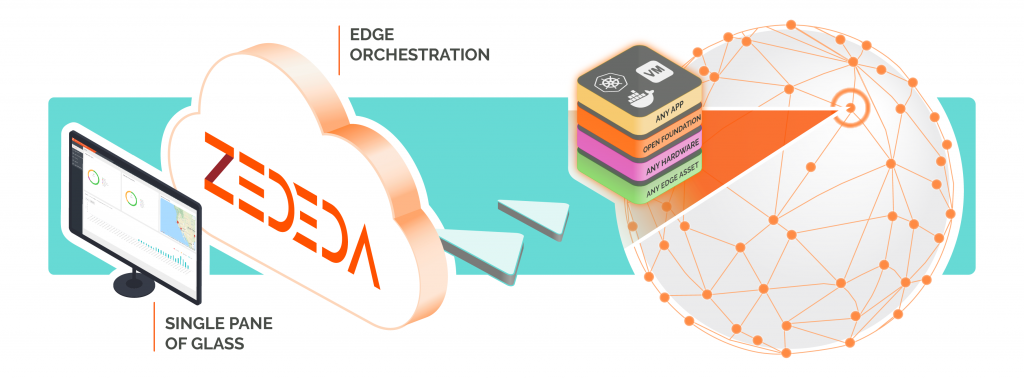
Domain knowledge is essential, as is the ability to navigate the complex interplay of operations, IT, and business functions. The most successful IoT deployments start by addressing real use cases and people‑centric challenges, rather than simply showcasing technology.
If a vendor promises they can handle everything, it’s best to avoid them. A jack‑of‑all‑trades rarely masters any.
IoT thrives on collaboration. While each solution has unique requirements, foundational infrastructure patterns are common. To scale effectively, we must move beyond “peanut butter” platforms that spread resources thin across ingestion, management, security, analytics, and visualisation. Instead, invest in consistent, open infrastructure that can be specialised on top.
Establishing a common baseline for security and management at scale allows the application of unique hardware, software, services, and, most importantly, domain expertise—think of a single cake with many flavours of icing and sprinkles.
When designed correctly, ecosystems deliver tangible business outcomes: higher revenue, improved profitability, accelerated traction in target markets, stronger customer relationships, and increased shareholder value. A pure ecosystem may centre around a single provider’s core offering, while advanced ecosystems bring partners together under a shared go‑to‑market strategy, such as an end‑to‑end supply chain.
Depending on strategy and industry context, some organisations adopt closed ecosystems built on proprietary frameworks, hardware, software, and APIs—“walled gardens” that enforce tight control and a consistent experience.
Closed Ecosystems
Closed ecosystems require significant investment to build but grant the provider robust control. For consumers, they deliver polished experiences at a premium and limited choice. Apple remains a classic example of this model, curating hardware, software, and services for unparalleled quality and security.
On the spectrum between closed and fully open, there are “closed‑open” models. These allow developers to program against public APIs and tools, often in exchange for fees or partnership contributions. Amazon’s “Works with Alexa” program exemplifies this approach.
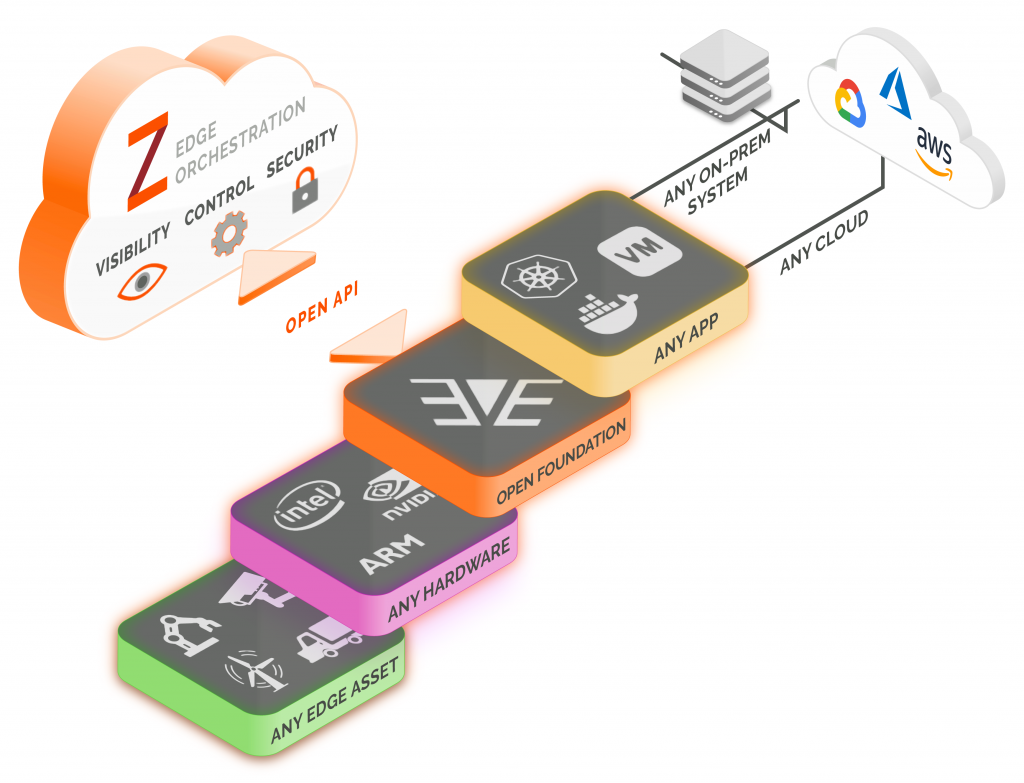
After years of building trust with a vast consumer base and cultivating a robust partner ecosystem, Amazon now enjoys a massive network effect, driving sales, deepening customer relationships, and sharing economic benefits with device makers and service providers.
Finally, truly open ecosystems rely on open‑source collaboration. Open‑source standards are the modern engine for interoperability. In IoT and edge computing, the LF Edge community exemplifies this, delivering a modular, open infrastructure foundation that enables commercial providers to build atop it.
Apple’s closed approach delivers a premium experience, whereas the open‑source Android OS powers over 85 % of the global mobile market, illustrating that openness can create a larger stage for innovation.
While most commercial offerings incorporate some closed elements, an open‑source foundation offers unmatched flexibility, transparency, and scalability. Such ecosystems empower the community to balance risk and reward collectively.
The Era of the Ecosystem
Balancing business ecosystems is becoming standard in our increasingly connected, data‑driven world. We are in the era of the ecosystem, and selecting the right open infrastructure foundation and holistic approach is more critical than ever.
Establishing an open foundation at the edge—closest to data generation—facilitates edge‑to‑cloud, cloud‑to‑edge, and hybrid models, outperforming a cloud‑first mindset.
As we layer IoT with AI, 5G, AR/VR, and more, we face challenges around security, scalability, and sustainability. Building an ecosystem on an open foundation ensures consistency as solutions evolve to meet diverse market needs.
In a future article, I will explore the challenges and opportunities for IoT and edge computing, including open‑source frameworks like those emerging from LF Edge, ready today to support the next generation of sophisticated connected systems that bridge the physical and digital worlds and deliver new outcomes for all.
The author is Jason Shepherd, VP of Ecosystem at ZEDEDA.
Internet of Things Technology
- Two Essential Strategies for IoT Security
- Building a Robust Indoor Location Ecosystem: Why Collaboration Drives Success
- Printing the Future: Flexible Electronics Powering the Internet of Things
- IoT: Driving the High Street’s Digital Renaissance
- Discovering Unique Selling Propositions in the IoT Ecosystem – Part 1
- Identifying Unique Selling Points in the IoT Ecosystem: Part 2 – Platforms and Value Creation
- Third‑Generation Stream Processing: Turning IoT Data into Real‑Time Action
- Securing the $6 Trillion Future: Why IoT Standards and Regulation Matter
- Democratizing the Internet of Things: Next‑Gen Satellite IoT Brings Universal, Affordable Connectivity
- The Key to Smarter Farms: Harnessing IoT Ecosystems