



Who Will Gain from eSIM Technology? Unlocking Benefits for Consumers, Businesses and Operators
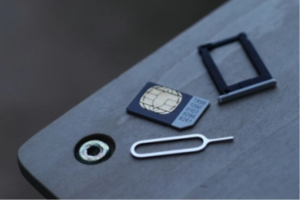
Since the early 1990s, the SIM card has been the key to mobile connectivity. It authenticates users with operators and enables network access. Today, a new paradigm is emerging: embedded SIM (eSIM). This technology embeds a programmable chip directly into devices, eliminating the need for a physical card and opening doors to a host of new possibilities.
Yuval Mayron, General Manager of IoT at Amdocs, explains how eSIM is reshaping the connected‑device landscape for both consumers and enterprises.
1. Seamless Operator Switching
eSIM, standardized by the GSMA, allows users to change mobile operators instantly via their phone’s settings. This eliminates the hassle of swapping physical SIMs—a feature highlighted by Apple’s recent iPhone releases and embraced by carriers such as EE (UK), Vodafone (Germany), and Bell (Canada).
2. Multiple Profiles on One Device
With eSIM, a single device can host several carrier profiles, enabling separate personal and business numbers on the same phone. This is ideal for frequent travelers or professionals who need distinct lines for work and leisure.
Operators are increasingly supporting eSIM, providing a gateway for cross‑selling new plans across consumer and enterprise segments.
Expanding the Connected‑Things Ecosystem
Beyond smartphones, eSIM is set to power wearables, smart glasses, connected home hubs, laptops, and tablets—devices that traditionally relied on Wi‑Fi but now benefit from the broader reach and security of cellular networks.

3. Accelerated Time‑to‑Market
By eliminating physical SIM distribution, eSIM enables operators to roll out multi‑device packages and tailor data plans swiftly. Consumers can add new devices to their plans in minutes, driving higher average revenue per user for carriers.
4. Simplified Enterprise Management
Large corporate fleets benefit from remote provisioning: IT teams can deploy, swap, or retire devices on the fly, customize data plans per user, and maintain tight security—all through eSIM management portals.
5. Scalability for IoT Deployments
Industries such as oil & gas, power generation, and manufacturing, which deploy thousands of connected machines, can program eSIMs remotely, avoiding labor‑intensive SIM insertion and enabling local operator selection when devices move across borders.
6. Cost and Space Efficiency
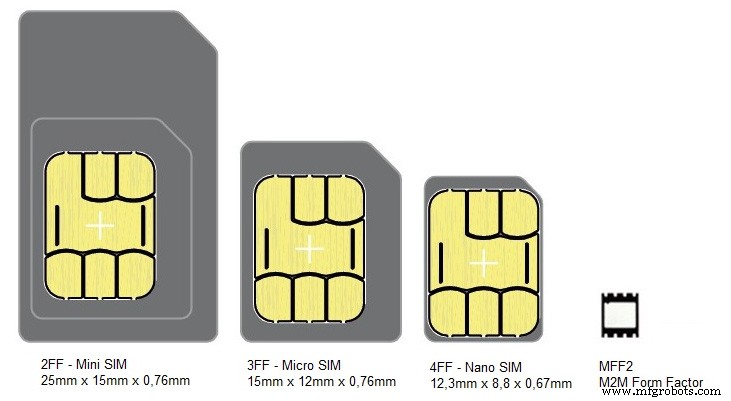
eSIMs are smaller and cheaper than traditional SIMs, making mobile connectivity viable in devices where space or cost were prohibitive—expanding opportunities for connected cars, tablets, and more.
Operators can design new business data plans as connectivity demands grow, unlocking revenue from previously unconnected devices.
Driving Adoption: Manufacturers and Operators Collaborate

Consumer and business uptake hinges on device manufacturers enabling eSIM support and operators ensuring network readiness. According to Orange, all new smartphones will support eSIM by 2030, with other connected tech following suit.
Operators should create intuitive onboarding experiences—via dedicated business portals or consumer apps—compatible with diverse handset makers and eSIM vendors. Robust billing and orchestration platforms will provide the visibility and control necessary for seamless support.
Author: Yuval Mayron, General Manager, IoT, Amdocs.
Internet of Things Technology
- How Asset Tracking Tech Saves Money and Boosts Efficiency—A Practical Guide
- Siemens Acquires Pixeom’s Edge Technology to Expand Digital Factory Solutions
- Top Industries Reaping the Biggest Benefits from the Industrial Internet of Things (IIoT)
- LPWA: How Challenger Operators Can Gain an Edge by Choosing Alternative Technologies
- The IoT Ecosystem: From Devices to Tangible Business Value
- Mobile Technology: How It Has Revolutionized Global Travel in 20 Years
- eSIM Technology: A Quiet Revolution Transforming Mobile Connectivity
- Revolutionizing Mobile Connectivity with eSIM: NetLync’s Vision
- 7 Key IoT Innovations Spotlighted at Dreamforce 2021
- Drone Technology Extends the Reach of Mobile IoT