



LPWA: How Challenger Operators Can Gain an Edge by Choosing Alternative Technologies
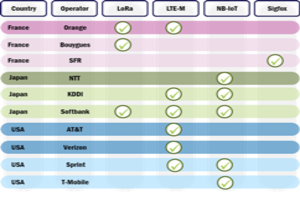
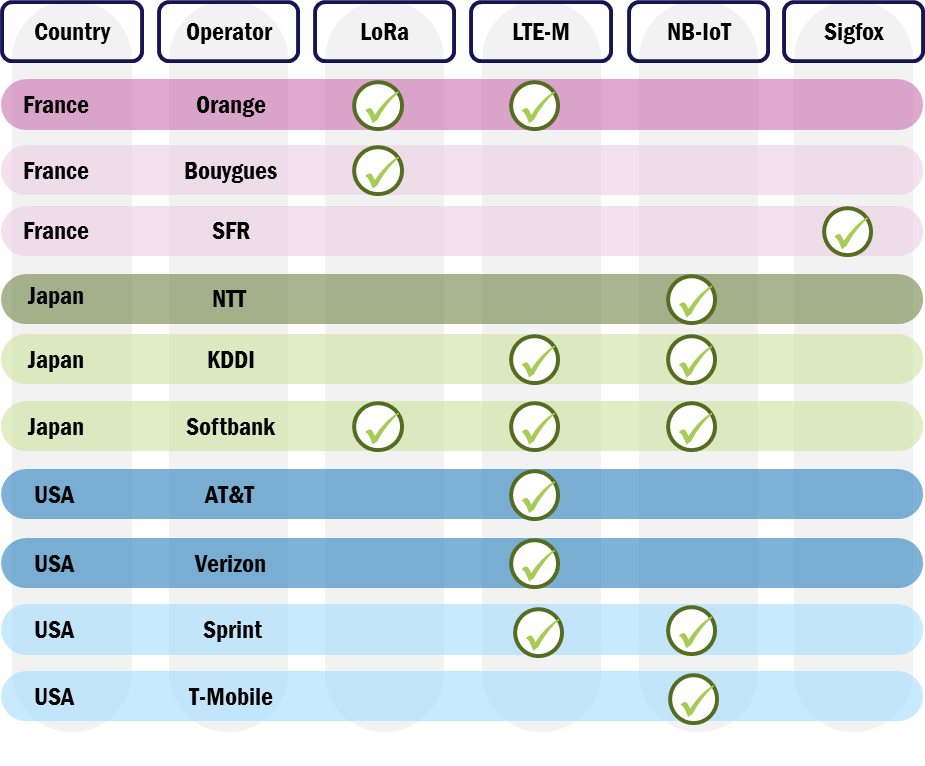
Mobile operators now face a pivotal moment: the chance to launch low‑power wide‑area (LPWA) networks that can power the next wave of IoT services. While incumbents such as AT&T, Orange, and Vodafone have already committed to LTE‑M, LoRa, or NB‑IoT, many smaller players are still undecided. The choice of LPWA technology can shape an operator’s competitive position for years to come.
In this article, we distill the findings from Analysys Mason’s comprehensive LPWA report and provide a practical framework for challengers to evaluate their options.
Three Strategic Paths for LPWA Adoption
Challenger operators can pursue one of three strategies when selecting an LPWA technology:
- Follow the leader: adopt the same technology as the market’s dominant operator (e.g., LTE‑M if AT&T leads).
- Choose an alternative: select a different technology from the leader (e.g., NB‑IoT if the leader opts for LTE‑M).
- Wait and see: delay deployment until a clear winner emerges.
While the “follow” approach offers the comfort of proven success, the “alternative” route can unlock differentiation, especially when the chosen technology aligns better with specific use cases.
Key advantages of adopting an alternative LPWA technology
- Better fit for niche use cases: For example, NB‑IoT often delivers lower power consumption and cost than LTE‑M, making it ideal for metering and smart‑city applications. A small operator like T‑Mobile USA could leverage this advantage to capture high‑volume, low‑margin markets.
- Access to the enterprise sector: Many challengers lack a strong enterprise presence. Choosing a technology that differentiates performance—such as higher data rates or more robust coverage—can attract corporate customers seeking reliable IoT connectivity.
- Reduced price‑driven competition: If operators deploy the same network technology, price wars become inevitable. Diversifying technology stacks can help maintain margins and create differentiated service tiers.
- Multi‑country coverage benefits: Operators that have already invested in a single LPWA technology can roll it out across all markets, delivering a seamless cross‑border experience. For instance, Deutsche Telekom’s NB‑IoT rollout provides consistent coverage across Europe, while Orange’s LTE‑M deployment is unified across its territories.
Potential drawbacks of an alternative strategy
- Competitive parity can erode early advantages as incumbents upgrade their networks to the same standard.
- Missing out on dominant market segments—if NB‑IoT dominates demand, an LTE‑M‑only operator could lose significant revenue.
- Developer ecosystems tend to gravitate toward the leading technology, potentially limiting local support for alternative stacks.
- Risk of adopting a technology that may later be deemed redundant or less future‑proof.

Is a Wait‑and‑See Approach Wise?
Delaying deployment can feel safe, especially when enterprise demand is still nascent. However, early entrants like Bouygues Telecom, KPN, and Swisscom have reaped substantial benefits by learning the ropes with LoRa before the 3GPP‑based IoT standards mature.
Charting a Bold LPWA Strategy

In an era where connectivity revenue per device is shrinking, differentiation is no longer optional—it’s essential. Challenger operators who deliberately select a technology that diverges from the market leaders can carve out new niches, attract enterprise clients, and defend against price wars.
Such a strategy requires a clear risk appetite and a commitment to long‑term network evolution, but the payoff can be significant: a differentiated portfolio, stronger cross‑border coverage, and a robust position in both consumer and industrial IoT markets.
Authored by Michele Mackenzie, Principal Analyst, and Tom Rebbeck, Research Director, Enterprise & IoT at Analysys Mason.
Internet of Things Technology
- How Asset Tracking Tech Saves Money and Boosts Efficiency—A Practical Guide
- Top Industries Reaping the Biggest Benefits from the Industrial Internet of Things (IIoT)
- Aligning IoT Security Strategies with Operator Ambitions in the Growing IoT Market
- The IoT Ecosystem: From Devices to Tangible Business Value
- Who Will Gain from eSIM Technology? Unlocking Benefits for Consumers, Businesses and Operators
- Unlocking Edge Computing ROI: Industry‑Specific Strategies for Real Value
- Top 8 Industries Set to Gain the Most from IoT in 2022
- Enhance Warehouse Efficiency with Custom Label Solutions
- Maximize Plasma Cutting Efficiency with True‑Hole Technology
- North Coast Technical CEO Dave Sexton Discusses U.S. 3D Machine Vision Market Growth