



Unlocking Efficiency: Why Aluminum Producers Should Embrace IoT
The aluminum industry may not be the first sector that comes to mind when people think of Industry 4.0. However, advanced technology is rapidly proving its worth for helping companies remain resilient in a challenging marketplace. Here’s a look at how the Internet of Things (IoT) and related technologies could bring about progress.
Smart Tools to Increase Visibility During Aluminum Smelting
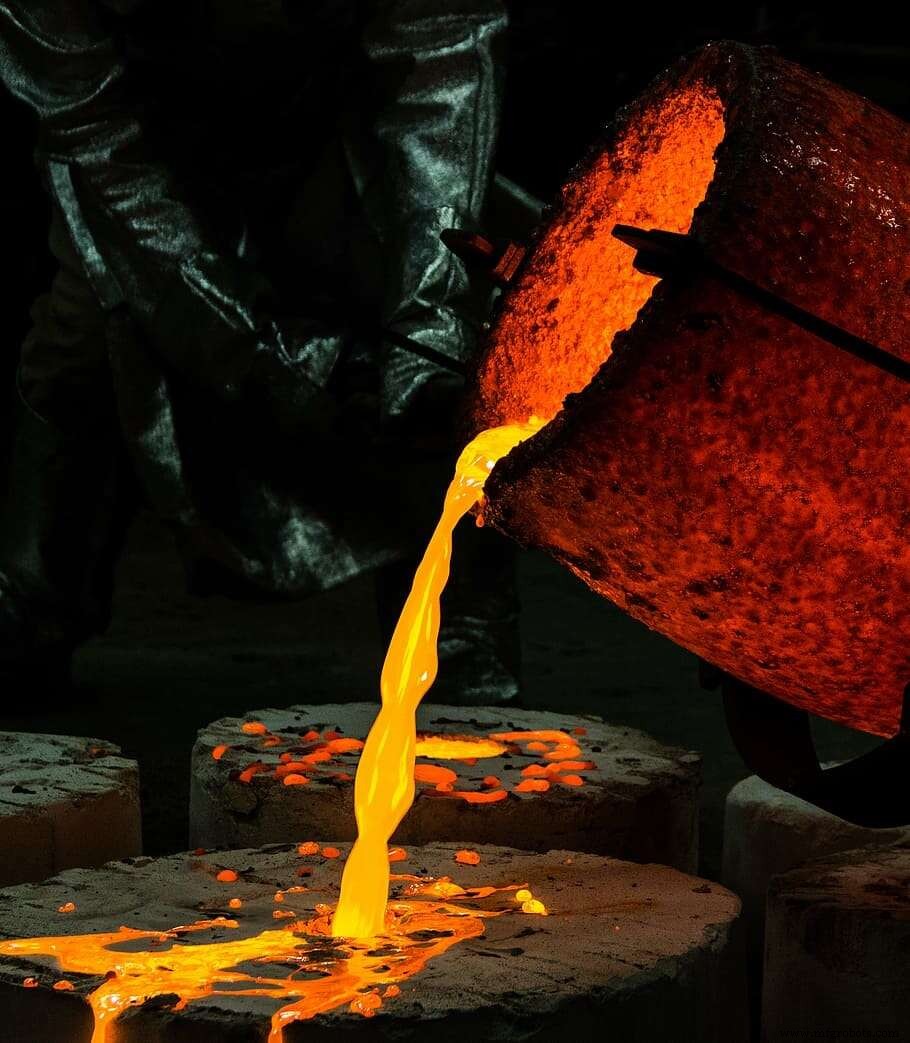
Companies use aluminum smelting to pull aluminum from its oxide using electrolysis. Since the process includes extreme temperatures, even minor mistakes could lead to significant problems.
Some companies are exploring digital solutions to improve outcomes. Statistics show that even a 1% gain in productivity could lead to an annual global savings of $970 million in total production costs. Investing in technology could reduce problems by providing more insights. For example, data analytics can give details about temperature and chemistry, allowing plant managers to make proactive changes to cut down on wasted time or money.
The more that producers know about their operations, the better equipped they are to respond to fluctuations that may require scaling up to meet demand. Having reliable information also reduces the likelihood of unexpected events that could rack up preventable costs.
Data to Drive Sustainability Improvements
It was not always the case, but sustainability has become a way for aluminum producers to differentiate themselves in the marketplace. Power usage is a primary component in the overall sustainability of the production methods.
IoT sensors could give aluminum producers an idea of how much electricity they use over a given period. Then, it’s easier to start making improvements, or at least realize that a problem exists. A data analytics platform could show an electricity consumption starting point and indicate whether certain production processes had the desired effects. Having hard data lets aluminum plant executives provide specifics to stakeholders about the precise sustainability improvements made.
Research also shows that a wireless monitoring system could reduce the prevalence of anode effects. These effects occur when the voltage in a smelting pot gets too high, resulting in emitted gases. The setup could detect such issues up to several minutes in advance. Findings associated with this experiment indicated that eliminating anode events could reduce greenhouse gas emissions by 0.8 tons of carbon dioxide per ton of aluminum produced.
Industry 4.0 Advancements to Boost Competitiveness
A focus on sustainability is one key factor to helping aluminum producers succeed in the marketplace, but it is not the lone concern. A market analysis showed that COVID-19 hit the sector hard. Producers in the United States and Europe saw a temporary decline in production needs tied to a downturn in demand. However, other sources forecast more than 4% growth in the global sector through 2025.
The authors of the analysis brought up industrial technologies as a way to stimulate recovery. For example, robots could reduce the number of humans needed to work at a plant, and help retain people by assuming some dangerous duties at a production facility. Plus, connected sensors let machines communicate, thereby streamlining the workflow. Companies can then get data from the Industry 4.0 equipment, using it to scrutinize their processes.
Ibrahim Al Maawali is the automation superintendent at Sonar Aluminum, which has thoroughly invested in the IoT and related tech. He explained, “All of the data from the shop floor and production units is captured on our dashboards in real time.” Moreover, “We use our historical data to forecast equipment failures and process deviations. This improves our uptime and allows us to do more proactive maintenance rather than reactive, and it also enables us to achieve a high level of operational production.”
Digital Technology Makes Mining Safer and More Productive
IoT technology can also come into use for companies before the aluminum smelting process happens. More specifically, a rock called bauxite is the main source of aluminum. Rio Tinto is a mining company that recently deployed a digital communications system for its operations hub that can directly feed into the organization’s disaster recovery center during an emergency. This setup allows the company to keep monitoring safety and production even if things go wrong.
Some companies are also using IoT technology to automate activities in mines. One has more than 250 wireless access points across 31 miles of tunnels. The enhanced connectivity quadrupled production at the site by tracking miners and vehicles and bringing automation to some parts of the safety and operations procedures. That example occurred at a gold mine, but it highlights the potential for the aluminum sector.
Connected sensors could monitor the mining environment and warn when conditions start to become unsafe. The technology could also help site managers ensure that workers follow the proper procedures to avoid accidents and operate within regulatory guidelines.
Industry 4.0 Holds Potential for the Aluminum Industry
Whether companies invest in connected technologies for aluminum smelting or use them to operate more sustainably, there are many possibilities for using smart technologies to manufacture this in-demand metal. As more entities start applying technology to their processes and get favorable outcomes, the overall adoption rates should rise.
Industrial Technology
- How Technology Is Transforming Manufacturing: From 3D Printing to Digital Twins
- Why Industry 4.0 Must Be on Every CEO’s Strategic Agenda
- Navigating IT Challenges in Modern Manufacturing: Strategies for Digital Transformation
- How the Auto Industry Leverages IoT: 6 Key Innovations
- Four Key IoT Solutions Transforming the Compressed Air Industry
- Revolutionizing Automotive Operations: How IoT Drives Efficiency and Oversight
- 7 Emerging Trends Shaping the Future of Manufacturing
- Industry 4.0 vs. Industrial IoT: Understanding the Key Differences
- The Benefits of Augmented Reality in Industry 4.0
- Embrace Cutting-Edge Tech: Transforming Manufacturing for Competitive Edge