



How IoT is Revolutionizing Construction: Safety, Visibility, and Asset Management
IoT has transformed industries from healthcare to agriculture, and construction is no longer an exception. Below we explore real‑world applications that illustrate how IoT is driving safer, smarter, and more efficient building projects.
Reducing Accidents and HazardsConstruction sites are inherently risky. Traditional safety gear and training remain essential, but modern IoT wearables add a new layer of protection. Devices that monitor heart rate, hydration levels, and fatigue can alert workers when they need a break or to hydrate, helping prevent heat stress and exhaustion.
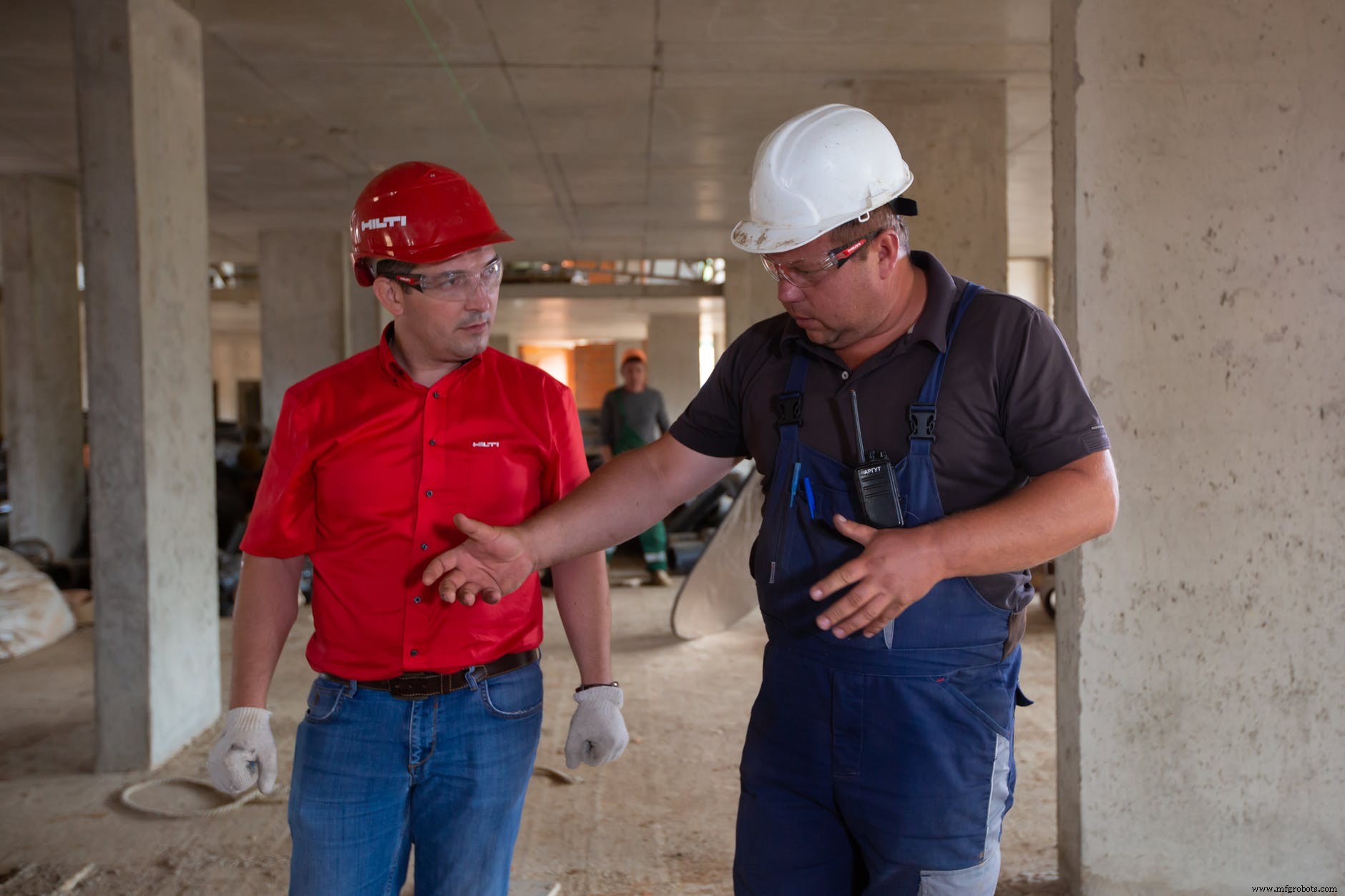
(Source: Pexels/Aleksey)
When wearable sensors sync with equipment telemetry, workers receive real‑time warnings about approaching machinery or hazardous zones. In a peer‑reviewed study, waist‑mounted vibration alerts achieved up to 95 % accuracy in detecting site hazards, demonstrating the potential of haptic feedback for situational awareness.
Advanced solutions combine IoT sensors, GPS, and live video feeds to provide a contextual map of the site, flagging nearby chemical spills, structural weaknesses, or other dangers that might otherwise go unnoticed.
Designers of construction wearables must prioritize ruggedness—materials that resist dust, water, and vibration—so the gear remains reliable under the toughest on‑site conditions.
Improving Project VisibilityComputer‑aided design (CAD) and Building Information Modeling (BIM) have long enabled digital planning, but the integration of IoT data takes this one step further. By feeding real‑time sensor readings—such as temperature, humidity, or energy usage—directly into BIM models, project managers can instantly see how current conditions affect the structure’s performance.
Virtual reality (VR) headsets paired with BIM allow engineers to walk through a site before construction begins, spotting clashes and optimizing layout, which saves both time and money.
Because BIM facilitates collaboration, stakeholders can review updated models that reflect live site data, ensuring that everyone—from architects to contractors—has the most accurate information.
Maximizing Equipment ROIDelays caused by equipment downtime, theft, or misplacement can cripple a project. IoT‑enabled asset tracking with geofencing lets managers set virtual boundaries around tools and heavy machinery, preventing accidental removal or unauthorized use.
Usage analytics—tracking how often equipment is deployed and for how long—enable data‑driven decisions about leasing versus purchasing and help justify capital expenditures.
Predictive maintenance is another game‑changer. Sensors that monitor temperature, fluid levels, vibration, and more alert crews before a failure occurs, allowing preventive repairs that reduce costly downtime.
If an operator notices an anomaly, they can report it instantly; the manager can then dive into the sensor data to diagnose and address the issue, shortening response times.
Enhanced Monitoring and OversightCoordinating dozens or hundreds of workers across multiple sites is challenging. Smart security cameras, drones, and connected hard hats create a “digital skin” that continuously streams data to a central dashboard.
Context‑aware systems deliver relevant information based on the user’s task. For example, a hard hat equipped with a proximity sensor can alert a worker when they approach a restricted zone, while a connected container can verify that deliveries are handled correctly.
Concrete‑curing monitors provide real‑time moisture and temperature data, enabling managers to schedule pours at optimal times and avoid costly delays.
IoT’s Momentum in ConstructionThese examples illustrate how IoT is tackling long‑standing construction challenges. Professionals working on or planning IoT projects should stay ahead of emerging obstacles—such as battery life, long‑range connectivity, and extreme durability—and collaborate closely with end users during design and testing.
By engaging stakeholders at every stage, engineers can refine solutions that truly meet the demanding realities of the construction field.
Continuing innovation in IoT will only deepen its impact on safety, efficiency, and profitability across the industry.
Internet of Things Technology
- How IoT is Revolutionizing Inventory Tracking
- How IoT Is Mitigating Climate Change Impact on Agriculture
- How IoT Drives Industry 4.0 and Transforms SMEs: A Practical Guide
- Harnessing IoT to Transform Oil & Gas Operations
- Why Warehouses Should Adopt IoT Now: Boost Efficiency, Accuracy, and Security
- Revolutionizing Agriculture: How IoT Drives Efficiency and Sustainability in Modern Farming
- Revolutionizing Automotive Operations: How IoT Drives Efficiency and Oversight
- IoT-Enabled Smart Hotels: Driving Innovation & Efficiency in Hospitality
- Hydraulic Power: Revolutionizing Modern Construction
- The Construction Industry Explained: Scope, Roles, and Global Impact