



Volkswagen Reconfigures Plants for EVs, Shifts Production Focus
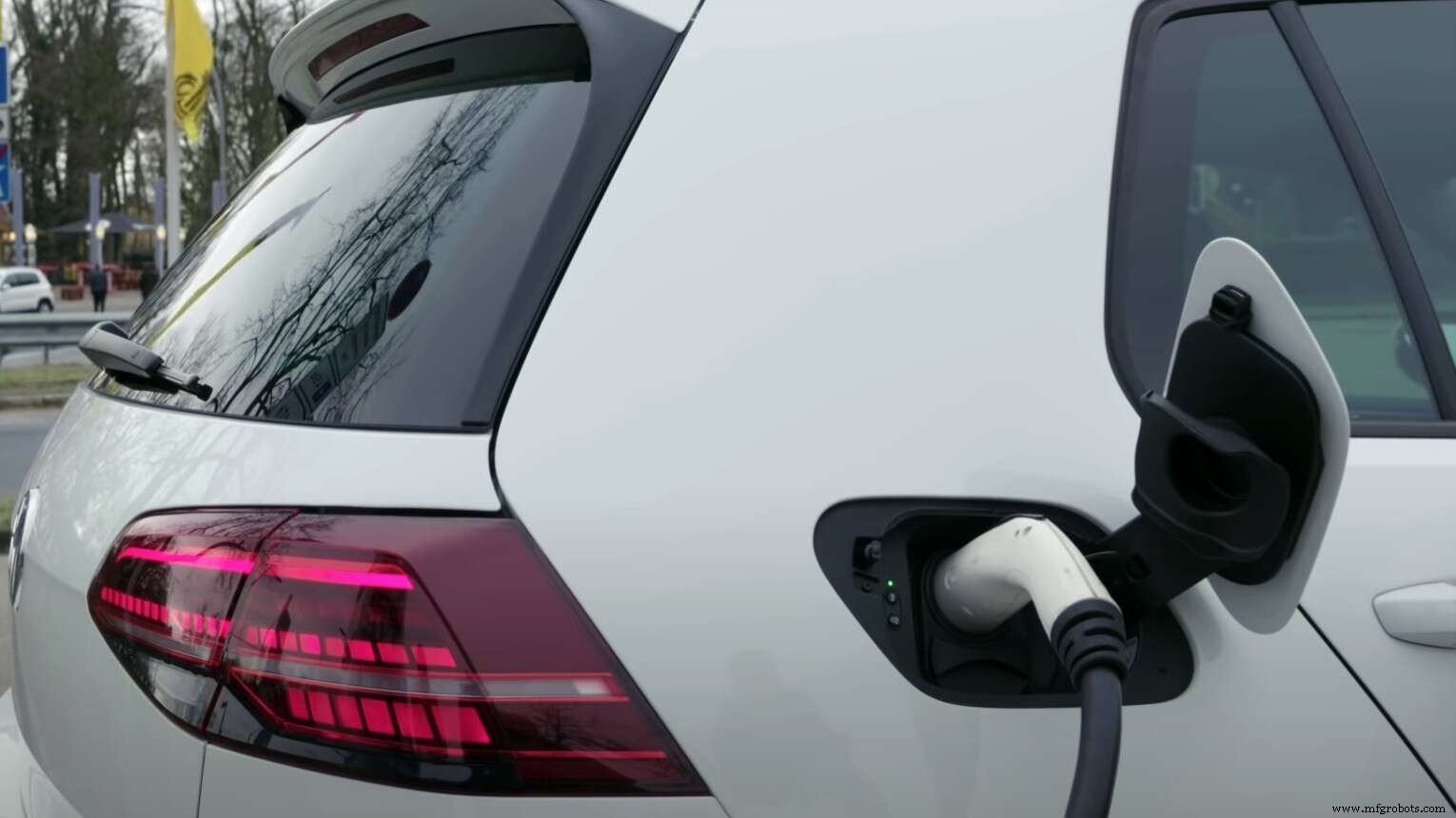
The biggest German automaker is repurposing their local facilities for electric and connected cars, leaving their foreign-based factories to make low-end and mid-range internal combustion vehicles.
Nowadays, as Tesla recently became the most valuable car company in the world, with a market cap that triples the value of the entire Volkswagen Group, the largest German automaker knows that the days of internal combustion vehicles are numbered.
Volkswagen, which owns brands such as Audi, SEAT, Skoda, Porsche, Lamborghini, and Bentley, has been investing heavily in electric car technologies over the past five years.
If you are buying a high-end VW or Audi model, they will most likely assemble it in Germany. If the vehicle you buy is a full-electric model from any of the Volkswagen group brands, it will be made in Germany.
A few days ago, SEAT, the Barcelona-based subsidiary of the Volkswagen group, held a press conference in its iconic downtown showroom. Carsten Isensee, SEAT’s new president, announced the firm’s new strategy, including the introduction of full-electric vehicles in their portfolio.
Isensee announced a five-billion euro ($5.6 b) investment in R&D and digital transformation, and two new full-electric cars.
However, the electric cars won’t come out from any of the facilities SEAT and Volkswagen have in Spain. VW will build them in the group’s assembly line in Zwickau, Germany. The facility is now entirely dedicated to produce electric vehicles.
The company’s move to retrofit some of its German facilities to produce EVs started several years ago. It has been building several full-electric models such as the e-up! and e-Golf. Currently, the company is retooling three more German facilities and one in China.
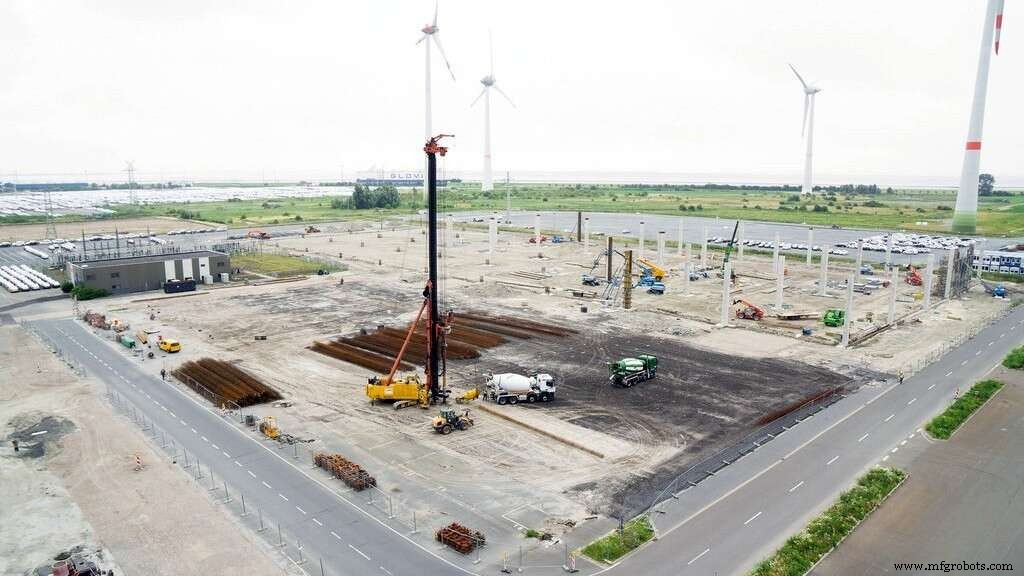
Construction of the new assembly hall for electric cars – VW Emden – Germany
Additionally, Volkswagen has been a frontrunner in developing connected vehicles’ technologies such as Vehicle to Vehicle (V2V) and Vehicle to Everything (V2X), based on the European DSRC standards. Again, most of the development and trials of those technologies happen in Germany.
The reasons to start the transformation to EVs in Germany are two-fold: First, the German and Northern European countries are the fastest-growing market for full-electric vehicles and connected cars, while the Southern European market still prefers internal combustion vehicles (ICVs). Second, the German lander of Lower Saxony holds 12% of the Volkswagen group shares and 20% voting rights.
Obviously, the institutional investors insist that the new technologies and the fastest industrial digital transformation happen locally, to ensure the viability of the production facilities and secure the jobs at those factories.
Automakers need a closer, reliable supply chain
Industry 4.0, as originated in 2011 from a project in the German government’s high-tech strategy, has enabled the local industry to access the latest technologies, including the massive deployment of industrial IoT.
The disruption of the supply chains caused by the coronavirus crisis is forcing many manufacturers to source more components locally, including automakers. Some critical technologies, such as high-end electronics, are manufactured in Germany by companies such as Infineon and NXP.
Two years ago, Volkswagen flirted with making its EV batteries and reportedly tried to secure a contract for cobalt, an essential mineral for those, but that meant dealing with conflict-rife areas of the Democratic Republic of Congo, the primary source of the mineral. Finally, the project was scrapped.
Last October, Chinese battery manufacturer Contemporary Amperex Technology Ltd. (CATL), started building their first European manufacturing facility in Thuringia, central Germany, specifically to supply Volkswagen and BMW.
Car manufacturers are faced with a significant drop in sales worldwide
Some foreign markets, especially in Asia, showed a significant downturn in new car sales before the pandemic. China, the biggest market for new cars, experienced a 10% drop in sales in 2019 vs. the previous year.
Japanese manufacturer Nissan, which has an ongoing partnership with French Renault, is expected to be pulling out of Europe altogether. The company is now focusing on the Chinese, Japanese, and American markets, investing heavily in its models of electric vehicles, such as the popular Nissan Leaf.
Last month, Nissan announced the closure of its manufacturing facility in Barcelona, the only one in Europe producing electric vans.
No more guesswork, electric cars are the present and the future
As discussed in a previous article, the race to full electrification of the automobile industry is on, with Tesla having a significant lead.
Carmakers know that the market is already saturated with internal combustion automobiles. The only way to survive is to transform their entire industry toward highly connected, electric vehicles. To accomplish that, they are pulling their most significant resources back home.
Everywhere else, foreign subsidiaries, unions, and governments need to assess the situation and plan for a challenging future, with many potential closures and job losses across the entire industry.
Industrial Technology
- Electric Fields and Capacitors: Fundamentals, Functionality, and Design
- Electrical Signal Propagation at Light Speed: A 186,000‑Mile Thought Experiment
- Manufacturing Today and Tomorrow: Insights, Trends, and Future Outlook
- Boost Productivity with Advanced Milling & Turning Technologies for Your Organization
- 5 Cutting-Edge Technologies to Detect and Stop Pump Cavitation
- Top 10 Manufacturing Insights 2021: Electric Vehicles, Shop Floor Efficiency, and Metalworking Tips
- Industry 4.0 Unveiled: History, Benefits, and Key Technologies
- DP Tool & Machine Inc.: Elevating Production with Advanced Manufacturing & Machining Solutions
- Advanced High‑Strength Steels: Definition, Benefits, and Automotive Applications
- How Electric Cars Work: A Comprehensive Guide for 2024