



Industry 4.0 in 2017: 4 Transformative Trends Shaping Manufacturing and Logistics
Industrial Internet of Things (Industry 4.0) has accelerated in 2017, as legacy manufacturers and nimble startups converge to eliminate long‑standing bottlenecks. The focus is on higher efficiency, leaner supply chains, waste reduction, and safer, faster operations.
Key technologies—robotics, wearables, 3D imaging, augmented reality, and intelligent logistics—are leading this shift. Below are four areas where Industry 4.0 is already reshaping the workplace.
1. Robotics Driving Automation on the Factory Floor
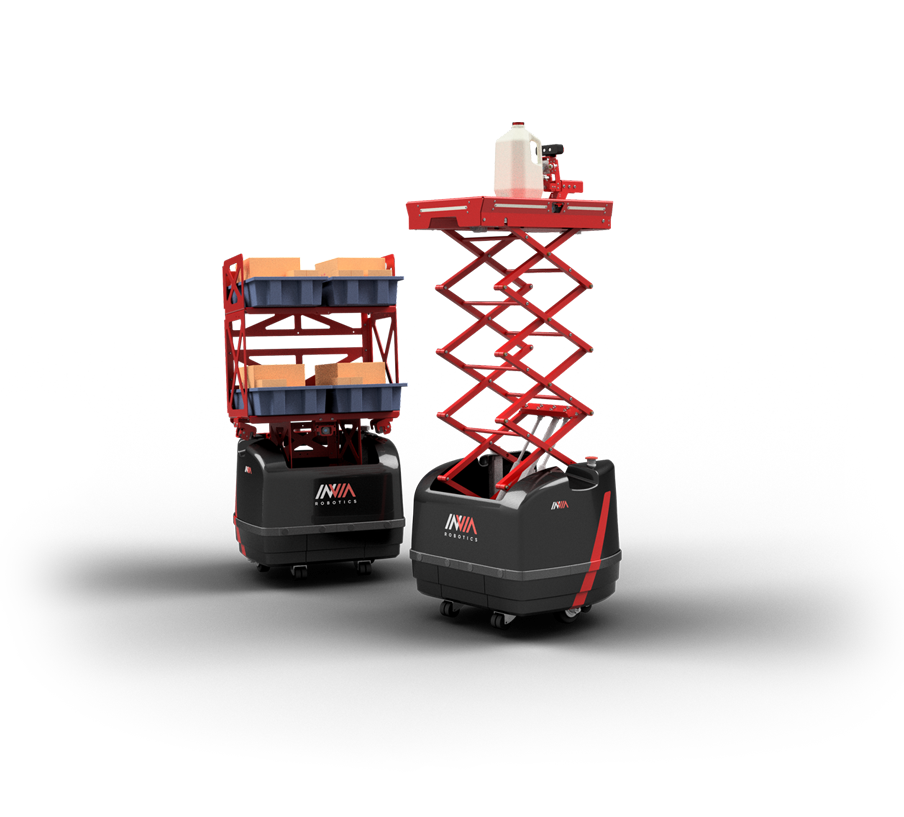
Robotics are no longer a futuristic concept; they are integral to modern production lines. By automating repetitive tasks, companies reduce human error, cut labor costs, and free skilled workers for higher‑value work. InVia Robotics introduced the world’s first “goods‑to‑box” system, streamlining e‑commerce fulfillment and warehouse handling.
In the UK, Ocado – the largest online grocery retailer – has paired robotics with human labor for over a decade, handling more than 200 000 orders weekly. Their recent collaboration with SecondHands and Soma Soft focuses on robots that assist technicians proactively and improve robotic grasping, respectively.
Robotic deployment is expanding beyond warehouses. Amazon’s annual Amazon Robotics Challenge invites innovators to create the next generation of pick‑and‑pack solutions, indicating that robots will refine rather than replace many roles.
2. 3D Imaging and Augmented Reality Become Essential Tools
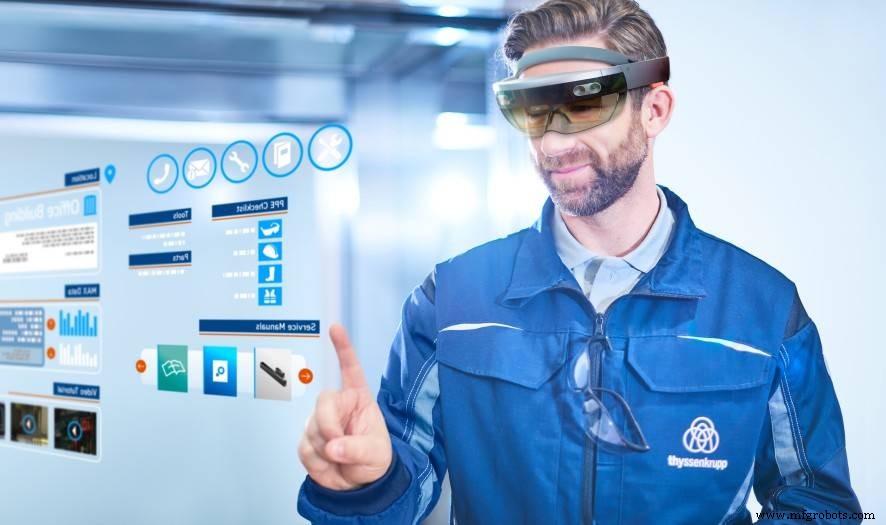
ThyssenKrupp rolled out Microsoft HoloLens for its global elevator‑service workforce, a sector worth over $44 billion annually. The fully self‑contained headset lets 24 000 technicians overlay holographic schematics onto real equipment, reducing diagnostic time by up to 75 % and cutting onsite stress.
Meanwhile, Israeli start‑up Vayyar released an industrial‑grade Walabot that transforms a smartphone into a 3‑D imaging probe, enabling technicians to “see through” walls and locate hidden infrastructure. Complementary tools such as Bagel’s infrared tape measure digitize field measurements, capturing data, voice notes, and annotations in a single app.
3. Wearable Technology Enhances Efficiency and Safety
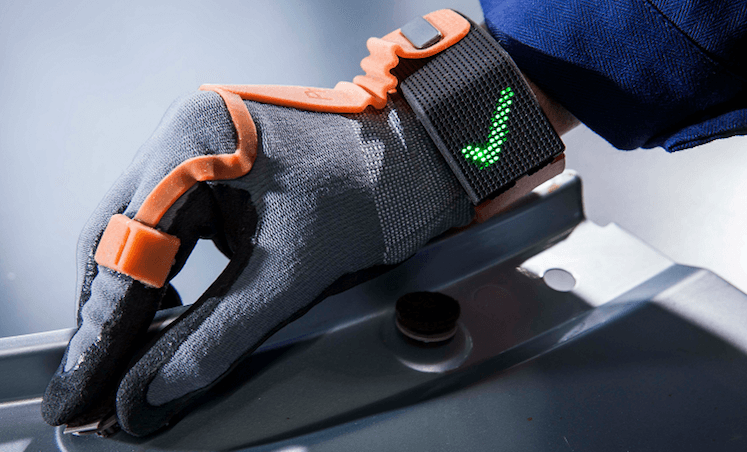
German startup ProGlove offers sensor‑enabled gloves that record hand movements, providing instant feedback and hands‑free barcode scanning. Partners like Audi and BMW report up to a 4 000‑minute daily productivity gain, as workers can secure parts while scanning.
Safety wearables are gaining traction too. North Star Bluescope Steel teams with IBM to deploy a cognitive platform that fuses helmet and wristband sensor data with IBM Watson IoT. The resulting Employee Wellness & Safety Solution delivers real‑time alerts, allowing supervisors to intervene before incidents occur.
4. IoT Boosts Freight and Shipping Efficiency
Traditional freight forwarding suffers from opaque processes, paperwork overload, and unpredictable delays. Flexport replaces legacy workflows with a cloud‑based app that lets shippers book, track, and analyze shipments in real time.
At the same time, CargoChain integrates RFID‑tagged containers with blockchain to create a tamper‑proof ledger. Importers, exporters, banks, insurers, and customs can now verify shipment provenance instantly, reducing paperwork and accelerating clearance.
Looking ahead, the smart‑grid sector and IIoT interoperability will continue to mature, amplifying Industry 4.0’s impact across manufacturing, maintenance, and logistics.
Internet of Things Technology
- Industry 4.0 in 2017: Seven Key Trends Driving the Future
- Predictive Maintenance: Current Landscape and Future Directions
- How Cellular Connectivity Is Powering Industry 4.0
- 5 Proven Strategies to Lead Your Business into Industry 4.0
- 3 Key Changes Transforming Post-Pandemic Supply Chains
- Top 3 Trends Driving Manufacturing Servitization in 2024
- Future of Manufacturing: Trends, Talent, and Innovation
- Robotics in the Workplace: 3 Transformative Ways Automation Will Reshape Your Business
- How Augmented Reality is Transforming Manufacturing: 7 Key Innovations
- Why 2017 Became the Year of Automation