



Five Key AgTech Innovations That Transformed Agriculture in 2016
AgTech has moved from a tradition‑bound industry to one that embraces rapid digital transformation, automating labor‑intensive tasks and equipping farmers with unprecedented insight into crop health.
1. Field‑and‑farm sensor technology

Today’s farmer relies on the same devices that power modern smartphones—iPhones, iPads, and a growing array of IoT sensors—to capture real‑time data on weather, soil moisture, and other variables that were once difficult to obtain.
Legacy leaders like John Deere now offer connected platforms, and startups such as Arable bring advanced tools to the field. Arable’s PulsePod integrates a six‑band spectrometer, a four‑way net radiometer, and an acoustic rain gauge, delivering more than 40 observation streams—rain, hail, canopy leaf area, crop water demand, environmental stresses, microclimate, and even air pollution—via built‑in Bluetooth, Wi‑Fi, and cellular connectivity.
Designed with military‑grade encryption, a flexible API, and granular data‑sharing controls, the PulsePod gives farmers the visibility they need to make data‑driven decisions.
2. Indoor and urban agriculture
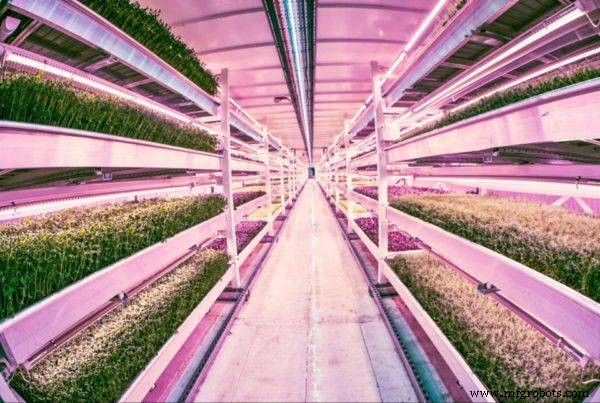
Urban farming now accounts for roughly 20 % of global food production, fueling a multibillion‑dollar market for hydroponics and vertical farms. In the U.S., the sector generated $5 billion in urban‑farming revenue and $5.7 billion from legal cannabis cultivation—figures that are expected to grow as marijuana legalization spreads.
Leaf’s plug‑and‑plant system demonstrates how consumer‑grade tech can simplify cannabis cultivation at home. The kit supplies pumps, grow lights, carbon‑filter fans, and nutrients, yielding 4–5 ounces of marijuana per plant. It also features environmental sensors and an HD camera that stream data and time‑lapse footage to a smartphone app. While electricity costs can reach $15–$50 per month, future solar integration could make the system more sustainable.
Freight Farms takes a different approach, repurposing shipping containers into “Leafy Green Machines.” Each module contains a full hydroponic setup and is monitored via the Xively IoT platform. Real‑time alerts notify growers when temperature, humidity, CO₂, or plant growth fall outside optimal ranges, allowing remote management and continuous improvement of the system.
3. Edible insects and plant‑based proteins

Insect protein is poised to become a cornerstone of the global food supply. Tiny Farms, a U.S. startup, uses IoT and automation to create scalable insect‑rearing systems that track key metrics in real time, ensuring optimal health and yield. The company’s app provides growers with actionable insights to fine‑tune rearing conditions.
Simultaneously, a wave of food‑tech startups is redefining plant‑based nutrition. From soy‑free protein powders to next‑generation meal kits, the sector mirrors the manufacturing precision of companies like Soylent, blending agritech with food science to meet growing demand for sustainable nutrition.
4. Robots to fill the labor gap
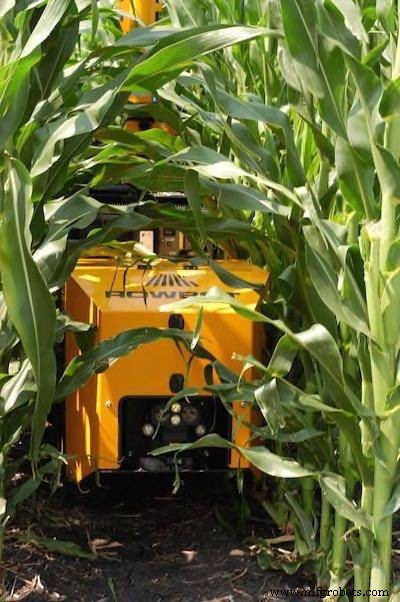
The 2012 U.S. Agriculture Census noted that the average farmer’s age rose from 50.5 to 58.3 years over three decades—a trend that threatens farm succession. Robotics and autonomous machinery offer a promising solution, becoming increasingly affordable and intelligent as technology advances.
5. Cost barriers to adoption
Despite the rapid growth of IoT in agriculture, adoption remains uneven. A 2023 Lux Research report highlights that service costs and niche products slow uptake, especially in regions where subsidies are limited. Farmers need higher yields and lower input costs to justify new technologies.
Expanding mobile coverage across vast acreage is also critical. Narrow‑Band IoT (NB‑IoT) standards will extend connectivity to remote fields, barns, and silos, reducing battery replacement cycles and enabling seamless integration of alarms, sensors, and meters.
Internet of Things Technology
- Virtual Reality Revolutionizes Design: From Immersive Modeling to Rapid 3D Printing
- Born Connected: Shaping Tomorrow’s Mobile and IoT Landscape
- Augmented Reality: Transforming Connected Field Service
- Connected Coffee Machines Transform the Beverage Supply Chain
- Connected Farming: Harnessing IoT to Boost Yield, Cut Costs, and Drive Sustainability
- Cyber‑Physical Security: Why Hacking Risks Are Expanding Beyond the Virtual Realm
- Taiwan Poised to Become the Silicon Valley of Agriculture 4.0
- 9 Foundational Tech Laws That Revolutionized the World
- How IoT is Revolutionizing Agriculture: Impact on Plant Growth & Yield
- Three Ways CNC Machining is Revolutionizing Global Manufacturing