



5 Key Drivers of IoT Adoption in Retail Stores
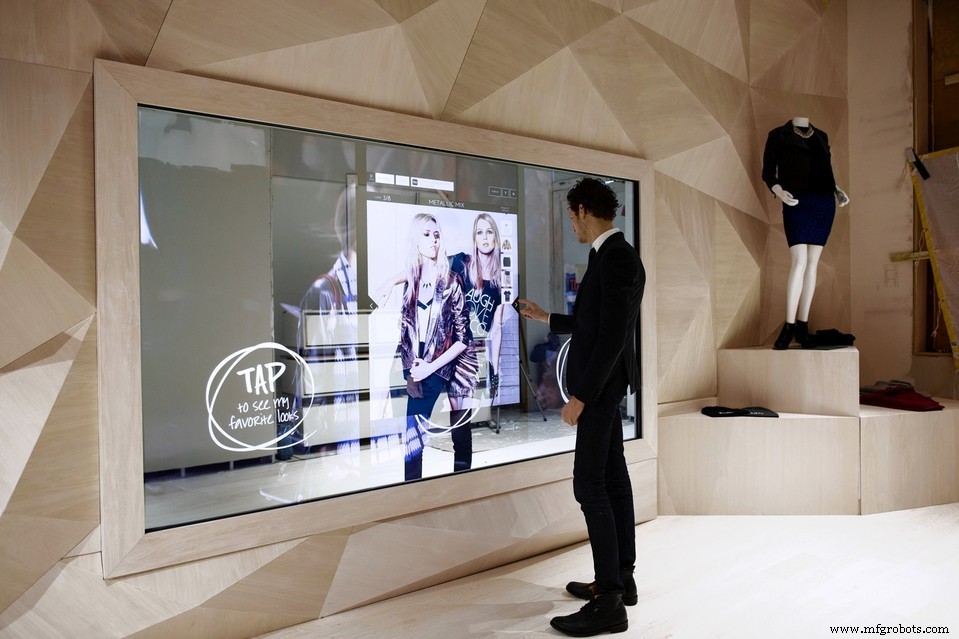
As per a survey by Zebra, as high as 96% of retailers are ready to make changes required to implement Internet of Things in their stores. Over 65% percent of respondents already have implemented IoT solutions and another 26% are planning to deploy it in the next 12 months. So what’s leading retailers to invest big dollars and embrace IoT in their stores. Here are 5 factors that are making retailers at high street go high-tech
1. The Informed Customer
Shoppers today are more informed than ever. They access product information, compare prices and seek reviews before making a buying decision. Traditional retail shops lacked the environment to get real-time information access which IoT promises to offer taking physical retailing closer in experience to online retailing.
2. Ubiquity Of Mobile
There is an explosion of mobile devices like credit card readers, mobile POS solutions, Sales enablement devices and apps for the retail industry. Earlier working in silos, IoT promises to help build a unified ecosystem, controlled by smartphones & tablets, integrating various devices and apps to accentuate the various possibilities.
3. Cloud & Big Data
There have been major advancements in key tech enablers to IoT like cloud computing and big data analytics helping retailers to store vast amount of data and share it across systems. Moreover, big data empowers them to process data emanating from various sources, transform it into insights and drive better decision-making impacting shopping experiences.
4. Reduction In Cost Of Sensors And Processors
As per a Goldman Sachs report, the cost of sensors have come down from an average 60 cents from $1.30 in the past 10 years. Similarly, bandwidth and processing costs have declined in the range of 40X to 60X making it more affordable for retailers.
5. Omnichannel Experience
Shoppers love the ability to compare products, buy a product and receive delivery anytime and anywhere. In their quest to stay ahead of customer expectations, retailers are leveraging IoT to offer omnichannel experience.\
Internet of Things has the potential to once again disrupt the retail space just as web and mobile did in the last decade. However, this time it is for the advantage of physical stores as they get the tools and data to go one up above online stores. Amidst the wave raised by Internet of Things, retailers need to reimagine their business by blending new technologies with old shopping charm to succeed.
Internet of Things Technology
- Building an IoT‑Enabled Car‑Sharing Business Model in Two Days: Lessons from a Bosch Hackathon
- Blockchain: The Key to Secure, Transparent IoT Adoption
- Industrial IoT Adoption Accelerates, Unlocking New Opportunities
- Three Key Drivers of Industry 4.0: Data, Connectivity, and Customer Demand
- LoRa Technology Accelerates IoT Adoption, Transforming Everyday Life
- Strong Leadership Drives IoT Adoption
- Mastering IoT Adoption: A Proven Three-Step Blueprint
- How Blockchain is Revolutionizing IoT: Adoption, Opportunities, and Future Trends
- 6 Key Drivers Fueling Rapid IoT Adoption in Healthcare
- How IoT Drives Post‑Pandemic Retail Resilience