



Building an IoT‑Enabled Car‑Sharing Business Model in Two Days: Lessons from a Bosch Hackathon
As the Internet of Things (IoT) expands, it unlocks fresh opportunities for creating and enhancing business models—especially in mobility. In this post I share insights from a two‑day Connected Car hackathon where our team crafted a new car‑sharing experience powered by Bosch’s mySPIN sensor interface.
Idea Pitches & Team Building
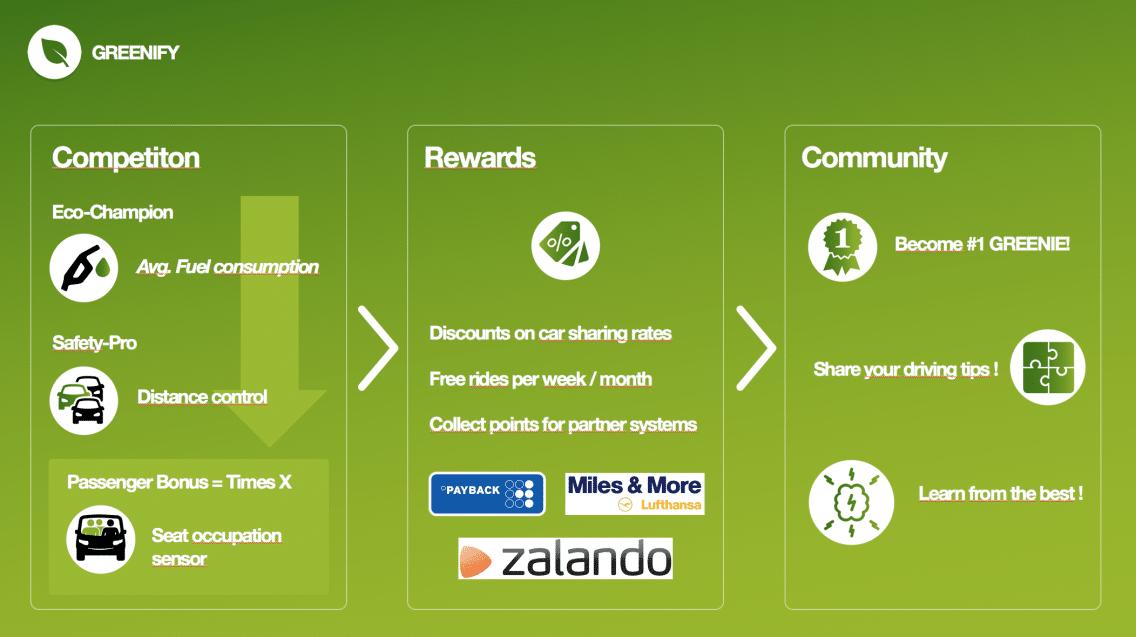
The hackathon opened with informal idea pitches. Teams of four to six formed organically, and we combined “car‑sharing gamification” with “eco‑friendly driving” into a concept we called Greenify.
Ideation & mySPIN First Contact (Sensors!)
mySPIN offered a wealth of sensor endpoints, giving us immediate access to vehicle telemetry, driver behavior, and environmental data. Leveraging my game‑development experience from Doodle Monsta, we decided the core of Greenify would revolve around gamification: challenges, competition, and rewards.
Drivers would earn badges for safe, eco‑friendly driving, passenger pickups, and community engagement—sharing tips and best practices with fellow users.
Dipping Deep into Sensorland
Exploring the data depth, we speculated on future sensor endpoints and how they could enrich the app. This exploration informed the design of our feedback loop, a theme we revisit in the reflection section.
Importance of UX & GUI
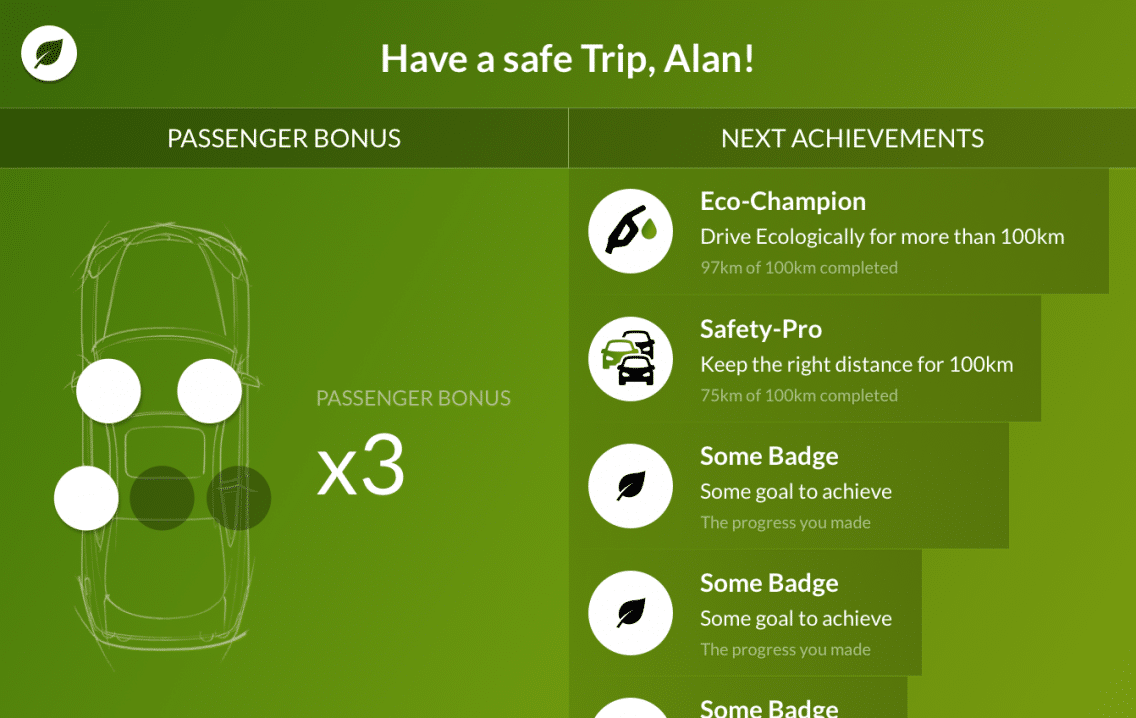
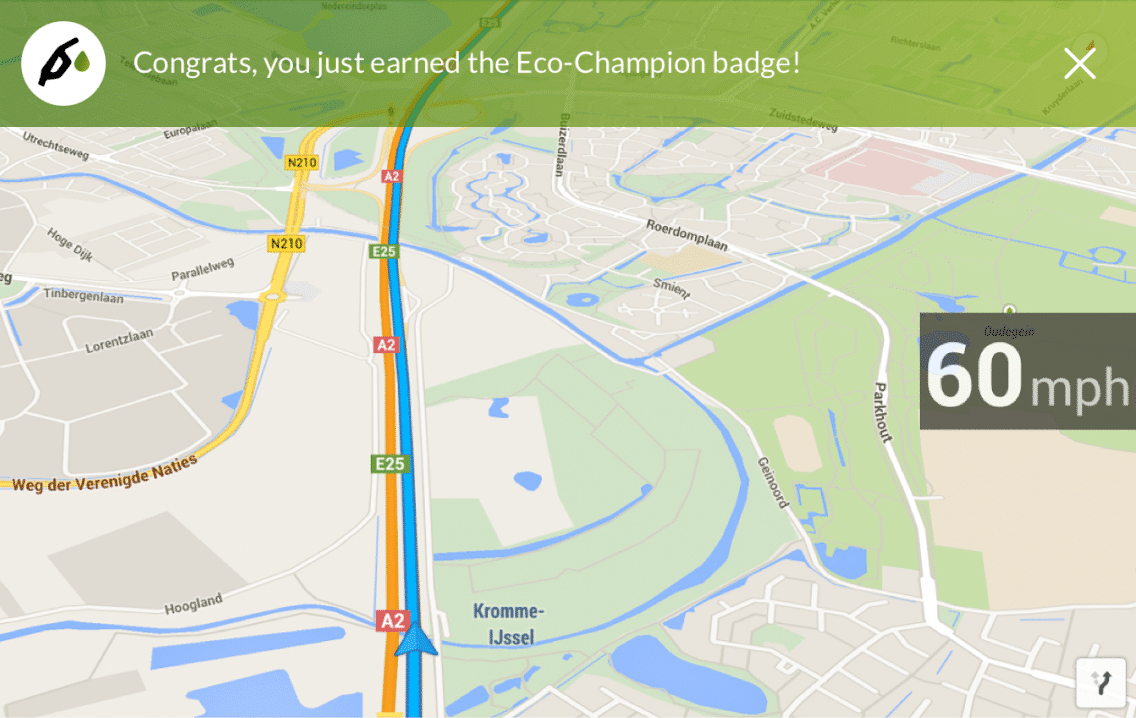
After defining three key reward challenges, we focused on the user journey: launching the app, entering the vehicle, navigating, and reviewing earned badges. We created responsive GUIs that adapt from a smartphone to the car’s head‑unit display, ensuring a seamless experience across devices.
Business Modeling and Stakeholder On‑Boarding
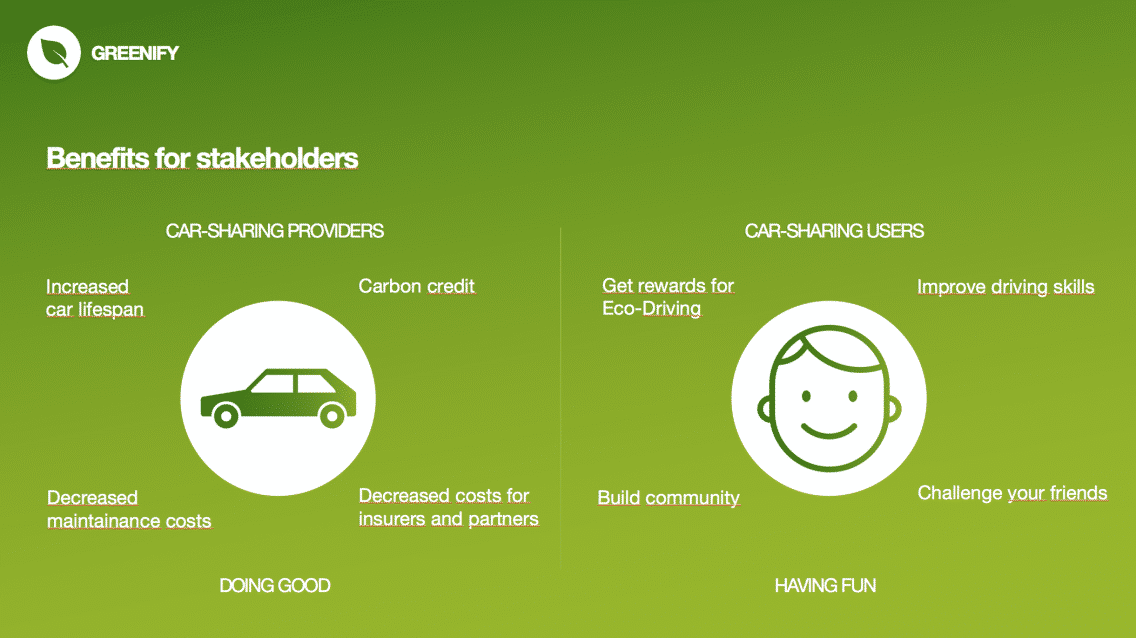
Identifying value for all stakeholders—car‑sharing operators, users, and third‑party partners—was pivotal. We consulted Bosch business‑model experts, including Veronika Brandt, and explored models such as a gatekeeper app or a complementary add‑on to existing services.
Connecting to the Car
To demonstrate feasibility, we implemented core mySPIN connectivity: switching the user’s smartphone screen to the car’s head‑unit and displaying our mock‑up UI. The prototype proved the envisioned flow and gave a tangible sense of the final product.
Reflection
Back at home, I revisited two white papers—Bosch’s “IoT Business Models” and the University of St. Gallen’s research by Prof. Elgar Fleisch. Their frameworks aligned with the intuition we applied during the hackathon. A key takeaway is the concept of “high‑resolution management of the physical world.” IoT lets us capture far more granular real‑world data than before, turning sensor streams into actionable insights.
In essence, crafting IoT business models is less about the technology itself and more about a mindset: blending proven business patterns with the richness of sensor data to unlock new possibilities.
Summary
Developing IoT‑enabled business models demands a blend of technical skill and strategic thinking. Hands‑on experience, like that gained at the Connected Car hackathon, is invaluable. Thanks to the organizers, Bosch, and my fellow participants for an inspiring event.
Watch this video to learn more about IoT business models: Greenify: IoT in Car‑Sharing
Internet of Things Technology
- Pioneering Industrial IoT Business Model Innovation
- How to Build and Validate IoT Business Models That Work – A Practical Guide
- Top 5 Business Advantages of Narrowband IoT (NB‑IoT)
- Why IoT Startups Must Nail Their Business Model Before Building
- How a South Park Sketch Reveals Key Lessons for IoT Business Strategy
- 7 Proven IoT Business Models That Drive Growth & Profit
- Four Key Challenges in IoT Hardware Design
- Strong Leadership Drives IoT Adoption
- How to Build a Profitable IoT Business Model
- IoT: Driving Mainstream Adoption and Business Model Disruption