



Three Key Drivers of Industry 4.0: Data, Connectivity, and Customer Demand
Ray Bradbury famously said, “Living at risk is jumping off a cliff and building your wings on the way down.” While poetic, the metaphor captures a reality many businesses face: bold decisions are often required to seize transformative opportunities.
In the context of Industry 4.0, three pivotal forces are accelerating the transition from concept to widespread adoption.
Data
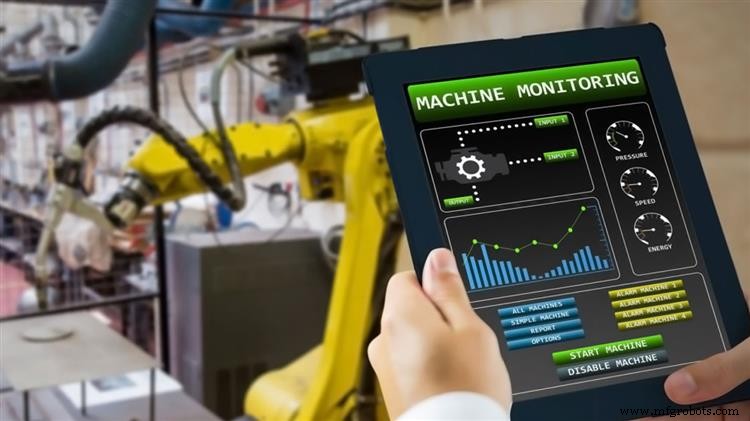
The exponential growth of digital information—often referred to as “big data”—has reshaped how enterprises operate. Companies now collect, store, and analyze vast volumes of operational and customer data, enabling predictive analytics, self‑diagnosing machinery, and real‑time configuration. Cyber‑physical systems detect anomalies before they become costly issues, while cloud‑based product life‑cycle platforms optimize energy usage and resource allocation.
Connectivity
Globalization has created complex, geographically dispersed supply chains that demand seamless communication. Industry 4.0 solutions address this by establishing virtual global factories—interconnected networks of manufacturers, suppliers, and customers that share data instantaneously. Technologies such as remote database access (RDA) and radio frequency identification (RFID) underpin the Internet of Things, forming a resilient digital infrastructure that transcends time zones and distance.
The Customer
Modern consumers increasingly expect personalized, on‑demand products. Innovations like 3‑D printing and digital twin design allow firms to convert a virtual model into a physical item quickly and cost‑effectively, delivering mass‑customized solutions. By combining customer insights with dynamic data analytics, businesses can co‑create value and respond to market shifts with unprecedented agility.
Organizations that embrace these drivers—and invest in the right talent and technology—are positioned to lead in the fourth industrial revolution.
About the Author
Jonathan Wilkins is the Marketing Director at EU Automation, a leading provider of industrial components and automation solutions.
Internet of Things Technology
- Industrial Internet of Things vs Industry 4.0: What You Need to Know
- Harnessing Industry 4.0: Cisco’s Path to Manufacturing Excellence
- Key Technologies Driving the Industry 4.0 Revolution
- Microsoft Ignite 2023: IoT, Robotics, and the Future of Industry 4.0
- 5 Key Drivers of IoT Adoption in Retail Stores
- 6 Key Drivers Fueling Rapid IoT Adoption in Healthcare
- IACMI: Pioneering Innovation in Advanced Composite Manufacturing
- Industrial Automation 4.0: Revolutionizing Production Efficiency
- How AI Drives Industry 4.0: Transforming Manufacturing with Intelligent Factories
- OTTO Motors: Powering Industry 4.0 with Autonomous Material Handling