



Industry 4.0 Unpacked: Debunking Common Myths
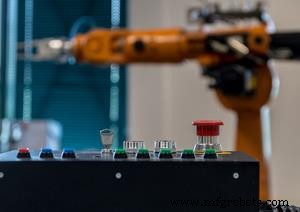
Like the human body, a modern factory relies on sensors, actuators, and a brain that processes data. The Industrial Internet of Things (IIoT) has turned machines from simple workhorses into intelligent partners. According to a recent industry survey, 85 % of manufacturers are already in the transition to Industry 4.0 or plan to start within the next year.
Connectivity has always existed in factories, but today’s technology lets physical automation merge with data analytics, turning plants into fully smart ecosystems.
In this article, we address the most common myths that still cloud the path to true Industry 4.0.
Myth 1: Automation Will Replace Humans
Automation has liberated workers from repetitive tasks for centuries, beginning with the first industrial machines and evolving into today’s sophisticated robotic systems. Yet the narrative that robots will eliminate human jobs is misleading. Smart factory software—combining distributed control systems (DCS) with supervisory control and data acquisition (SCADA)—collects real‑time data from the supply chain, production line, and energy usage. The real value lies in turning that data into actionable insights, empowering human operators to make smarter decisions, not replace them.
While robots can execute tasks with precision, they lack the adaptability, creativity, and empathy that humans bring. A collaborative workforce—humans and machines working side‑by‑side—drives the highest productivity and innovation.
Myth 2: Cutting‑Edge Hardware Is a Must‑Have
Nearly two‑thirds of manufacturers (64 %) cite high upfront costs as their biggest barrier to connectivity. Many opt to scrap legacy equipment, assuming it cannot support modern solutions, only to find that a full overhaul is unnecessary.
For example, collaborative robots promise to operate without dedicated work cells, but the real benefit depends on the specific use case. A selective‑compliance articulated robot (SCARA) is ideal for high‑speed pick‑and‑place operations in electronics manufacturing, and it can be integrated with minimal downtime—often within a single weekend—when handled by an experienced systems integrator.
Smart manufacturing begins with clear objectives. Choosing process‑control software that is hardware‑agnostic or supports multiple communication protocols can eliminate the need for expensive hardware upgrades. The focus should be on achieving measurable goals, such as increased throughput, reduced scrap, or lower energy consumption, before committing capital.
Myth 3: Smart Plants Are Inherently Insecure
Connecting a factory to the broader digital ecosystem exposes it to the same cybersecurity threats that affect any networked organization—advanced persistent threats (APTs), malware, and insider risks. When operational technology (OT) devices that were once isolated are brought online, vulnerabilities emerge.
Security is not a side concern; it must be built into the design. This includes layered defenses, network segmentation, regular patching, and comprehensive staff training. A well‑educated workforce can prevent accidental data loss and strengthen the plant’s overall security posture.
Embracing Industry 4.0 does not mean sacrificing safety or affordability. With thoughtful planning and the right mix of technology and people, manufacturers can realize significant gains without compromising security.
About the Author
Nigel Smith is the managing director of TM Robotics, an industrial robot specialist.
Internet of Things Technology
- Industry 4.0 Demystified: Debunking Four Common Myths
- Harnessing Industry 4.0: Cisco’s Path to Manufacturing Excellence
- Networked Economy & Industry 4.0: Debunking Common Myths
- GE Appliances Unveils Smart, Industry 4.0‑Enabled Refrigeration Plant in Decatur, Alabama
- Debunking Manufacturing Myths: The Real Impact of Automation & Career Opportunities
- Industry 4.0: Harnessing AI & Smart Tech to Transform Manufacturing
- Industry 4.0: Key Skills for Smart Factory Workforce
- Digital Factories: Smart Manufacturing for Industry 4.0
- Autodesk Smart Manufacturing: Automate Your Workflow & Connect Product Development
- Smart Manufacturing Explained: Transforming Production with IoT