



5 Cutting‑Edge Technologies Transforming Modern Manufacturing
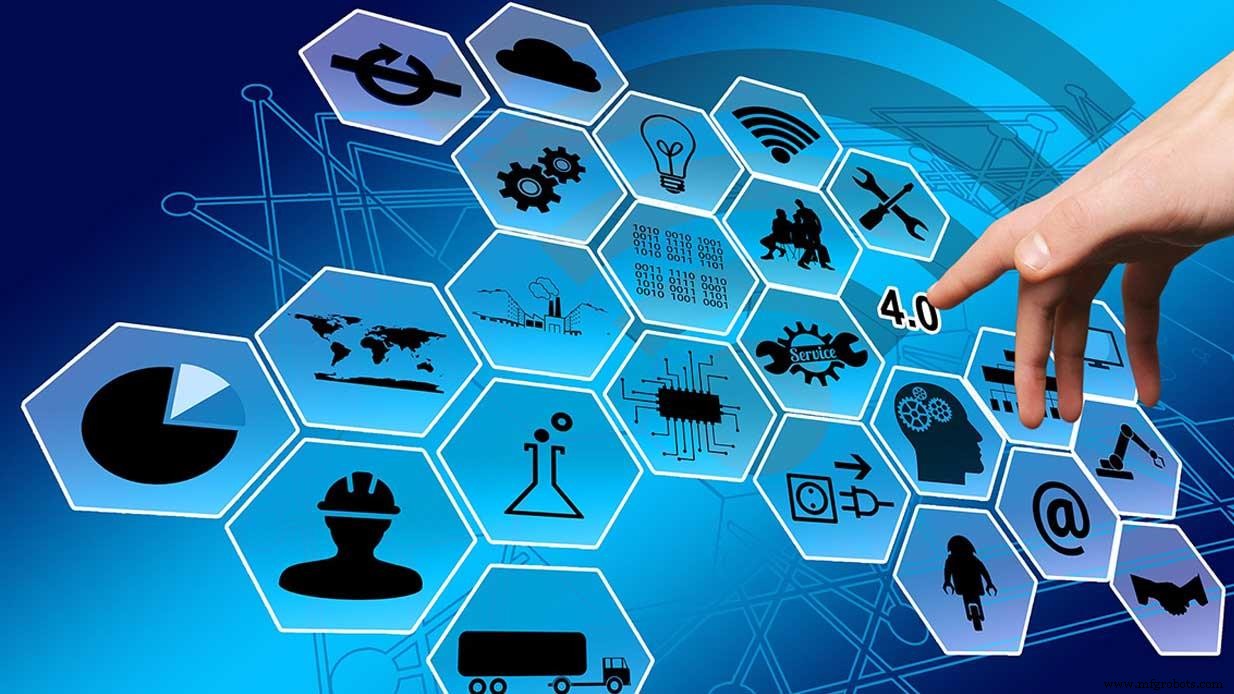
Manufacturing has always been a technology‑driven sector, constantly evolving to meet the demands for higher efficiency, lower costs, and faster time‑to‑market. Today, a handful of advanced technologies are redefining the industry, enabling plants to operate with unprecedented precision and agility.
From AI‑powered analytics to immersive virtual environments, these innovations help manufacturers reduce human intervention, maximize productivity, and secure a competitive advantage in a rapidly changing market.
Below are five technologies that are already delivering measurable results across the manufacturing landscape.
1. The Industrial Internet of Things (IIoT)
By 2020, the number of IoT‑enabled devices worldwide was projected to reach 25 billion. The Industrial IoT builds on this trend, integrating machine learning, big data, sensor networks, cloud services, and automation to deliver real‑time insights across the entire production chain.
Key applications include predictive maintenance, which monitors equipment health in real time, allowing maintenance teams to intervene only when necessary. This approach dramatically cuts unplanned downtime and extends asset life. In addition, IIoT sensors enable supply‑chain visibility, inventory tracking via RFID and GPS, and cross‑facility analytics, giving plant managers a holistic view of operations.
2. Big Data Analytics
According to Honeywell’s recent survey, 68 % of U.S. manufacturers already invest in big‑data solutions. By mining production, quality, and logistics data, these firms can identify bottlenecks, reduce waste, and optimize yields.
Data‑driven decision‑making enables rapid response to market shifts and supports continuous improvement initiatives, ultimately lowering operating costs while enhancing product quality.
3. Artificial Intelligence & Machine Learning
AI and ML are the next evolution beyond traditional robotics. They empower machines to learn from data, adapt to changing conditions, and collaborate seamlessly with human workers.
Manufacturers are deploying AI for real‑time quality control, inventory forecasting, and dynamic scheduling. Smart robots can now execute complex tasks, freeing human talent for higher‑value activities such as research, product development, and customer engagement.
4. 3‑D Printing (Additive Manufacturing)
3‑D printing transforms digital designs into physical parts without the constraints of conventional tooling. Industries such as aerospace, automotive, and medical devices are leveraging additive manufacturing to produce lightweight, high‑strength components from materials ranging from plastics to metals.
Beyond prototyping, 3‑D printing supports on‑demand production, reducing inventory overhead and enabling rapid customization. The rise of Manufacturing as a Service (MaaS) models further allows firms to outsource fabrication, keeping their facilities lean while still delivering complex parts.
5. Virtual Reality (VR)
VR eliminates the need for costly physical prototypes by letting designers and engineers explore fully interactive 3‑D models. Stakeholders can walk through virtual assemblies, identify design flaws, and validate ergonomics before any physical build.
Automotive manufacturers use VR early in the development cycle to test safety features, driving dynamics, and interior layouts, slashing development time and cost. Moreover, VR-based training programs ensure operators understand new processes, boosting safety and compliance.
As manufacturers adopt these technologies, they unlock higher productivity, greater flexibility, and stronger profit margins. Ignoring these advancements could leave firms trailing behind competitors who are already reaping the benefits.
Reference: Sophisticated Technologies Shaping the Future of Electronics Manufacturing
Internet of Things Technology
- Understanding Non‑Mechanical Digital Memories: SRAM, DRAM, and Flash
- Manufacturing Analytics in Action: Driving Production Excellence at Bosch
- Transforming ERP for Modern Manufacturing: Unlocking Agility, Automation, and Growth
- Data‑Driven Manufacturing: Unlocking Efficiency, Cost Savings, and Innovation
- How Data Visualisation Drives Efficiency for Machine Builders
- The Critical Role of IoT in Digital Manufacturing: Challenges and Opportunities
- Top 5 Manufacturing Trends 2018: Leveraging Emerging Tech for Competitive Edge
- Unlocking Success: Baselining Manufacturing Data Before Deploying New Technologies
- Top 10 Manufacturing Innovations Driving Industry Growth
- Harnessing Data-Driven Manufacturing for U.S. Industry Growth