



Industry 4.0 Demystified: Debunking Four Common Myths
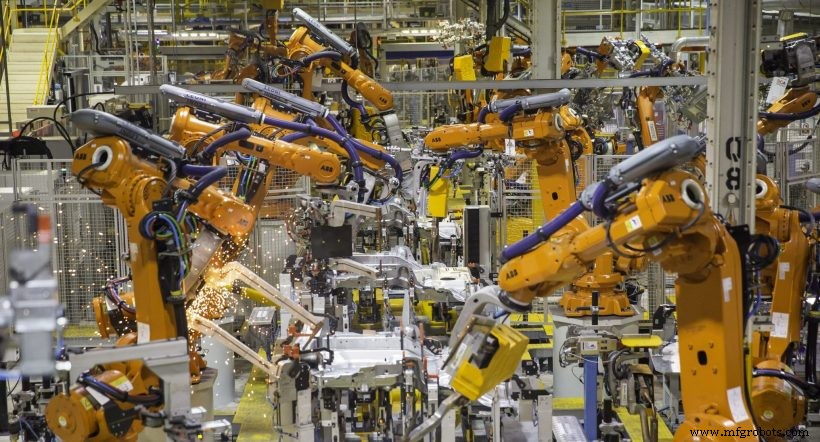
Industry 4.0 is a term you’ll encounter whenever you explore additive manufacturing or modern production systems. It isn’t just a buzzword; it represents the convergence of digital technologies with traditional manufacturing, reshaping how factories operate.
What is Industry 4.0?
Industry 4.0 captures the current wave of automation, real‑time data, and interconnectivity that is redefining manufacturing. It fuses cyber‑physical systems with physical processes to create “smart” factories where machines, sensors, and networks communicate seamlessly.
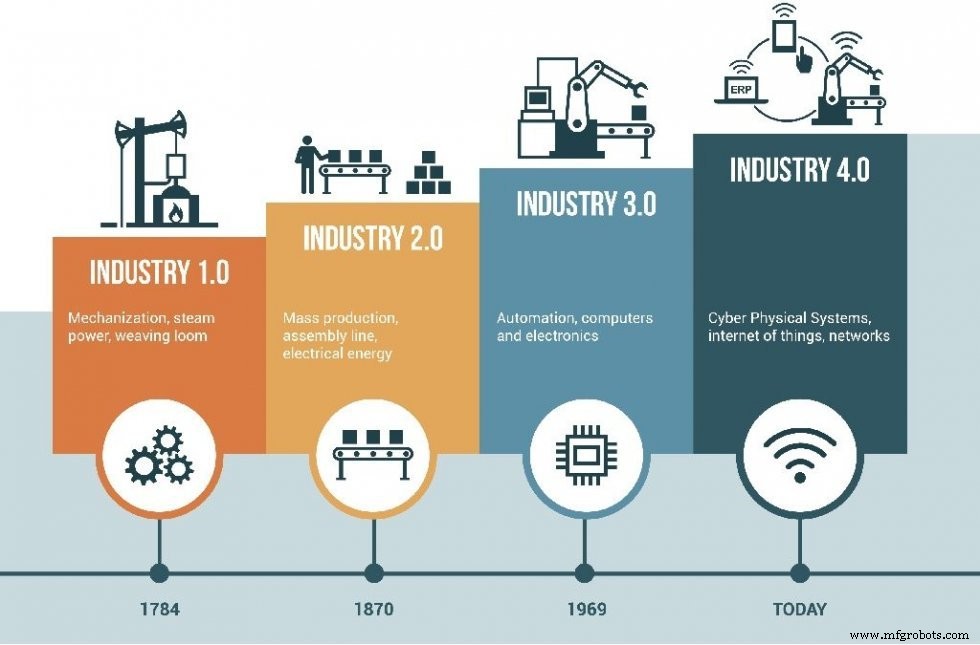
Key enablers include big data analytics, the Industrial Internet of Things (IIoT), robotics, artificial intelligence, and additive manufacturing. These technologies together usher in the Fourth Industrial Revolution, the latest chapter in a lineage that began with the steam engine in the late 1700s and evolved through assembly lines and computer‑driven automation.
Today, factories are becoming digital hubs where machines exchange data, sensors monitor processes in real time, and AI-driven insights optimize production. The pace of change is unprecedented, with interconnected devices unlocking new efficiencies and capabilities.
Why Industry 4.0?
Manufacturing faces seismic shifts as digital tools reshape product creation and operational management. Industry 4.0 offers an integrated, data‑centric approach that reduces manual labor, boosts productivity, and addresses complex business challenges.
Smart factories linked through robust digital networks are gradually becoming a reality. Yet many organizations remain uncertain about how these technologies translate into tangible business outcomes, fueling confusion around what is—and isn’t—possible.
4 Common Myths of Industry 4.0
Myth 1: Industry 4.0 is only for large corporations and demands huge upfront investment.
While high‑profile projects—such as Siemens’ 3D‑printing factory or Ford’s $45 million Advanced Manufacturing Center—highlight significant capital outlays, they do not dictate the path for every business. Companies of all sizes can adopt Industry 4.0, often by retrofitting existing equipment with cost‑effective sensors and modular software platforms.
For SMEs, the focus shifts from wholesale replacement to incremental upgrades. Adding sensors to filtration units, for instance, can replace manual inspections with automated alerts, saving time and reducing operational costs.
Successful adoption begins with a clear, enterprise‑wide strategy aligned with long‑term objectives and a realistic roadmap that prioritizes high‑impact, low‑barrier initiatives.
Myth 2: Automation will eliminate jobs.
Automation undoubtedly reduces the need for routine, manual tasks, but the World Economic Forum reports that the rapid evolution of machines and algorithms could create 133 million new roles while displacing 75 million by 2022. Automation introduces new business models that, in turn, generate specialized positions.
Collaborative robots—or cobots—illustrate this balance. They work alongside human operators, freeing workers from repetitive tasks and enabling them to focus on higher‑value activities. Consequently, productivity gains often translate into hiring opportunities for more skilled roles.
To capitalize on this shift, firms must invest in comprehensive training programs that bridge the current skills gap and prepare employees for the digital era.
Myth 3: The more data collected, the better.
While IIoT delivers unprecedented volumes of data, merely amassing information is insufficient. The real advantage lies in converting data into actionable insights. This requires understanding the context, validating data quality, and applying analytics thoughtfully—AI alone cannot replace human judgment in driving operational decisions.
Effective use of data transforms production lines, enhances quality control, and improves customer service, but only when insights are integrated into decision‑making processes.
Myth 4: Prototyping is the only advantage of 3D printing.
Although 3D printing excels at rapid prototyping, its role has expanded dramatically. Manufacturers now use additive manufacturing for low‑volume production, complex geometries, and mass customization—capabilities that traditional methods struggle to deliver.
Ford’s Advanced Manufacturing Center hosts 23 3D printers that support both product development and production, while GE incorporates 3D printing into its Brilliant Factories concept, reducing inventory costs and boosting productivity through metal and polymer printing.
By transitioning from digital models directly to production, 3D printing unlocks design freedom and accelerates time‑to‑market for innovative products.
Embracing Industry 4.0
Technological change is accelerating. Companies that adopt Industry 4.0—whether through additive manufacturing, big data, or connected systems—can secure a competitive edge. Embracing this digital transformation may feel daunting, but it is essential for staying relevant in the next industrial era.
3D printing
- 9 Myths About 3D Printing Debunked: What You Need to Know
- Networked Economy & Industry 4.0: Debunking Common Myths
- Industry 4.0 Unpacked: Debunking Common Myths
- Debunking Manufacturing Myths: The Real Impact of Automation & Career Opportunities
- Industry 4.0 Explained: What It Means for Smart Manufacturing
- Industry 4.0 Explained: The Smart Manufacturing Revolution
- The Construction Industry Explained: Scope, Roles, and Global Impact
- Understanding the Printing Industry: Key Roles and Services
- Understanding Industry Trends: Key Insights for Competitive Advantage
- The Fabrication Industry Explained: Processes, Materials, and Impact