



9 Myths About 3D Printing Debunked: What You Need to Know
3D printing has transitioned from a niche prototyping method to a mainstream manufacturing platform, reshaping production across industries.
Despite its rapid adoption, many misconceptions persist. In this article, we examine the most widespread myths about additive manufacturing and provide evidence‑based clarifications.
Myth 1: “3D printing is a new technology”
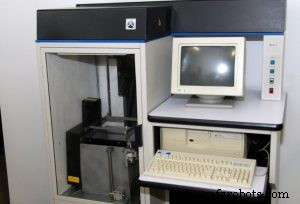
While recent breakthroughs have thrust 3D printing into the spotlight, the technology has been evolving for over three decades. Invented in 1984 with the first stereolithography (SLA) system, the first commercial 3D printer appeared in 1987. Since then, the field has grown from a prototype‑only tool to a production‑grade solution that delivers digitised workflows, streamlined supply chains, rapid on‑demand production, cost reductions, and the capability to manufacture geometries that were previously impossible.
Myth 2: “AM will replace traditional manufacturing”
Additive manufacturing (AM) currently represents a modest portion of the $12 trillion global manufacturing industry. Rather than supplanting conventional methods, AM excels in niche scenarios such as:
- Components with long lead times: 3D printing eliminates tooling, accelerating delivery.
- Customised parts: AM offers cost‑effective customization for low‑volume runs.
- Complex geometries: AM enables lattice structures, thin walls, and intricate shapes that are prohibitively expensive with traditional processes.
Viewing AM as a complement—rather than a replacement—allows manufacturers to leverage the strengths of both worlds.
Myth 3: “3D printing is one technology”
Although fused filament fabrication (FFF) is the most visible form of 3D printing, the term actually encompasses a broad array of processes. ISO/ASTM 52900 identifies seven distinct categories of additive manufacturing:
- VAT Photopolymerisation (SLA, DLP)
- Binder Jetting (Metal Binder Jetting, Sand Binder Jetting, HP’s Multi‑Jet Fusion)
- Material Jetting
- Material Extrusion (FFF, Bound Metal Deposition)
- Powder Bed Fusion (SLS, SLM/DMLS, EBM)
- Directed Energy Deposition (EBAM, WAAM)
- Sheet Lamination
Each technology has unique strengths and design considerations. Mastering the appropriate process can unlock significant manufacturing benefits.
Myth 4: “Additive manufacturing is too expensive”
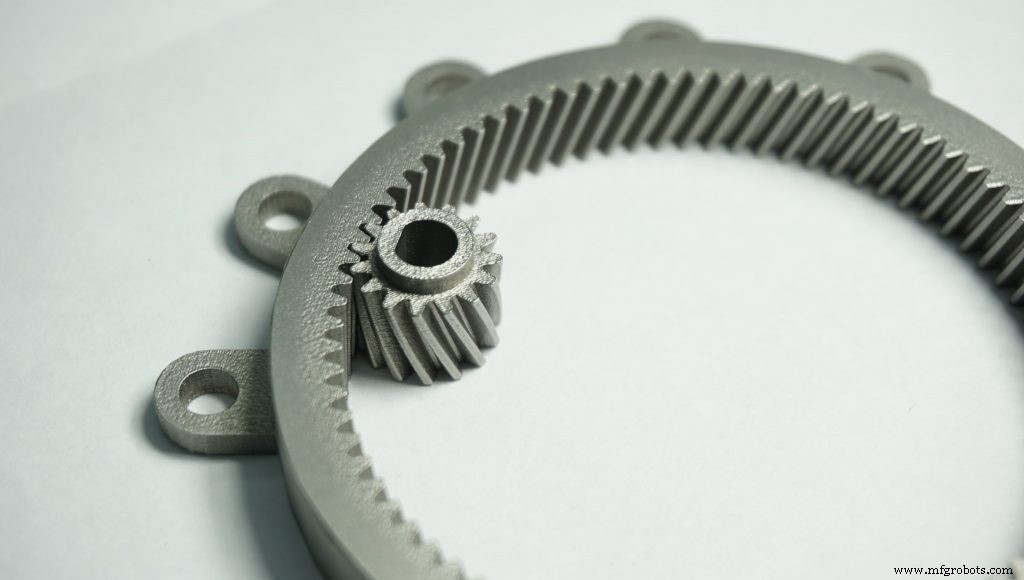
Metal AM is often perceived as costly, yet when you factor in tooling, inventory, and logistics associated with conventional methods, the total cost of ownership can be comparable or even lower for low‑volume, customized parts. For instance, a $2 per‑unit spare part produced via injection moulding requires substantial tooling and large inventory to achieve economies of scale. In contrast, AM can produce the exact quantity needed on demand, eliminating warehousing and transportation costs. For companies new to AM, outsourcing projects offers a cost‑effective introduction without the upfront capital investment.
Myth 5: “3D printing only requires the push of a button”
A common analogy equates 3D printing to 2D printing, suggesting a simple “print” button will yield a finished part. In reality, industrial 3D printing demands meticulous design preparation, material selection, and post‑processing to achieve functional parts. Design for additive manufacturing (DfAM) guidelines and advanced software tools streamline these steps, while robotic printing systems are emerging to automate the process further. While a one‑click experience is a future aspiration, today’s workflow still requires expert oversight.
Myth 6: “3D printers can create only small parts”
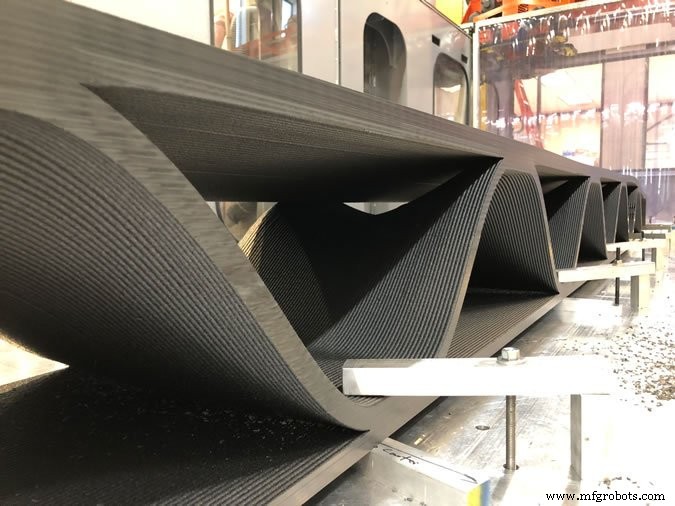
Many powder‑bed printers have limited build volumes, but large‑format systems now enable the production of components spanning tens of meters. Thermwood’s Large Scale Additive Manufacturing (LSAM) printer offers a 10 × 40 ft (≈ 37 sqm) build envelope, used to print durable 6‑m tools for helicopter blades. On the metal side, Sciaky’s Electron Beam Additive Manufacturing (EBAM) has produced titanium domes for satellite fuel tanks. These examples demonstrate that 3D printing is not confined to small parts.
Myth 7: “With 3D printing, complexity is free”
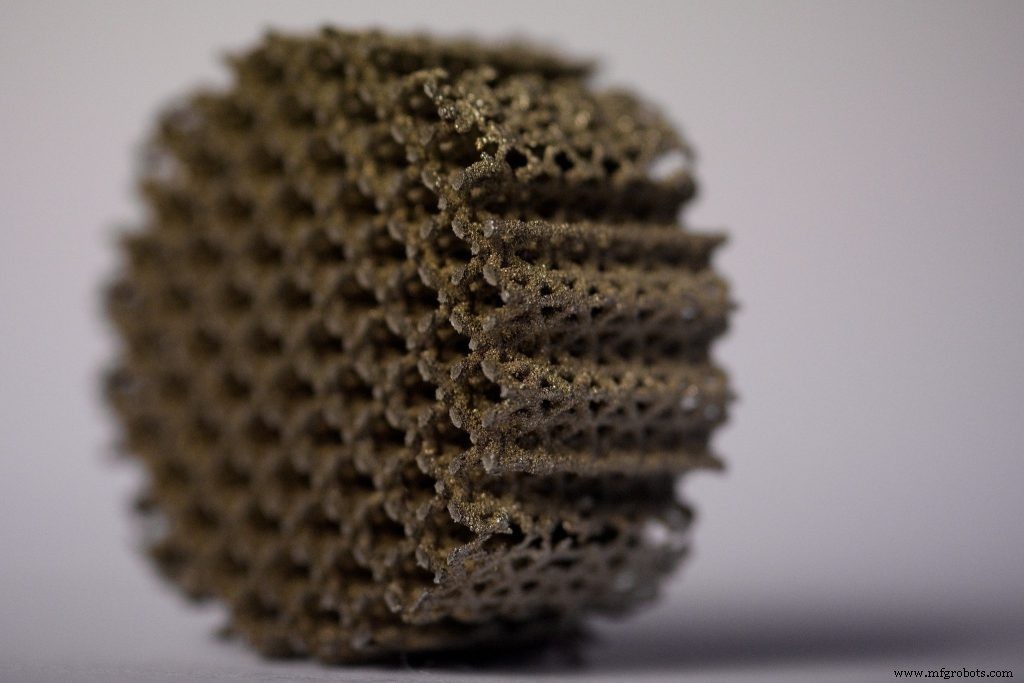
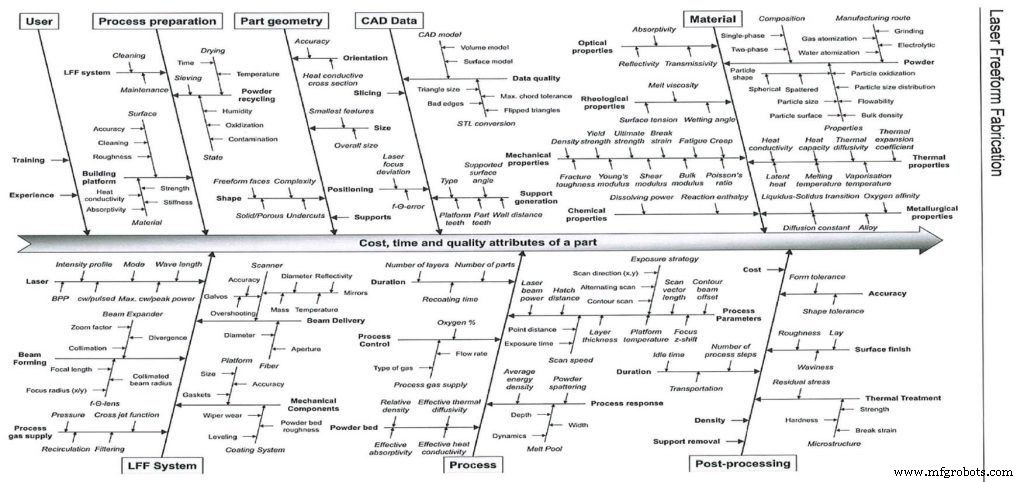
While AM allows for thin walls, lattice structures, and intricate geometries, design constraints still apply. Overhangs, support structures, and material properties impose limits that must be addressed through careful DfAM. By incorporating these considerations into the design phase, engineers can fully exploit the capabilities of additive manufacturing without incurring hidden costs.
Myth 8: “Fully 3D‑printed organs are just around the corner”
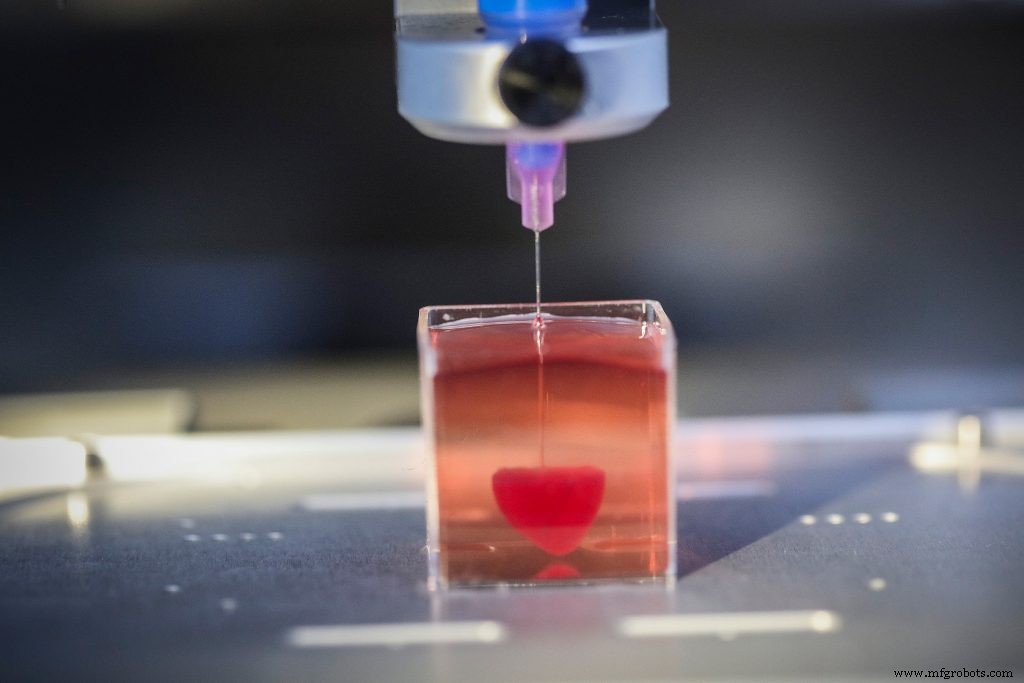
Bioprinting has made impressive strides in producing small tissue patches and cartilage constructs, advancing regenerative medicine and drug testing. However, fully functional, transplantable organs remain a distant goal, requiring technologies that are still under development. Documented animal transplant cases provide a proof of concept, but widespread human application will require further breakthroughs.
Myth 9: “3D printing can print everything”
Although additive manufacturing expands design freedom, it is not a panacea. AM excels at rapid prototyping, low‑volume production, and complex geometries, but conventional processes may still be preferable for high‑volume, simple parts. Selecting the right process for the right application is essential for optimal performance and cost.
Looking past the hype
By separating fact from fiction, manufacturers can make informed decisions about when and how to integrate AM into their operations. Understanding the true capabilities and limitations of additive manufacturing empowers strategic investment and maximises return on investment.
3D printing
- Aluminum Uncovered: 5 Myths Debunked by Experts
- Debunking 5 Myths About 3D Printing: What You Need to Know
- Industry 4.0 Demystified: Debunking Four Common Myths
- Metal 3D Printing: Debunking 7 Common Misconceptions
- Five Ways Digital Anatomy 3D Printing Is Transforming Modern Medicine
- Debunking 3D Printing Myths: Strength, Cost, Usability, and Volume Explained
- Expert Answers to Your Top 3D Printing Questions
- Dynamic Balancing Unveiled: Myths Debunked & Real Advantages
- Industrial Automation Myths Unveiled: Separating Fact from Fiction
- Debunking 5 Common Myths About CNC Machining