



The Tempest and the Digital Grid: How Smart Technology Cuts Outage Times
When a storm unleashes a sudden flash and booming thunder, darkness can swallow a neighborhood in seconds. The immediate scramble for flashlights and candles is a familiar scene. While many outages are brief, the question remains: how long will power be gone if a hurricane strikes?
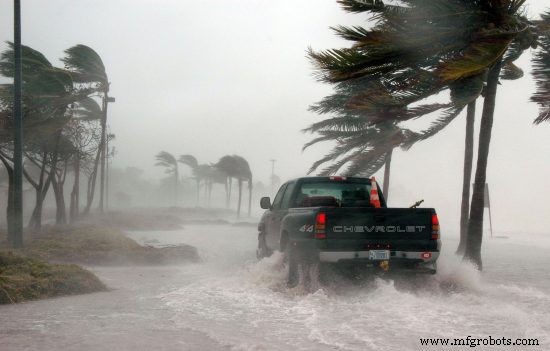
Source: Osu.edu
The southeastern United States felt this reality during Hurricane Matthew. In North and South Carolina alone, over 1.2 million customers were left without power. What follows such a widespread outage?
Before the adoption of smart grid technology, utilities relied almost exclusively on customer reports to locate faults. This approach was fraught with challenges—power lines often fell alongside communication lines, leaving crews without reliable information. Utilities then dispatched large fleets of repair trucks, sometimes sourced from distant regions, to scour damaged roads in search of outages. The hit‑and‑miss strategy extended outage durations and hampered productivity.
Smart grid solutions empower utilities to reduce restoration times and, more importantly, limit the number of customers affected from the outset. Fewer repair vehicles are required, and crews can focus on the most critical repairs.
Across the globe, utilities are investing heavily in digital grid upgrades.
The payoff is already evident. After Hurricane Hermine, Duke Energy’s new smart grid technology shielded 25,000 Florida customers from outages—saving more than 3 million customer minutes of lost power. Duke Energy plans to equip 35 % of its lines with smart grid devices by mid‑2017, though only 20 % of its Florida customers benefit today.
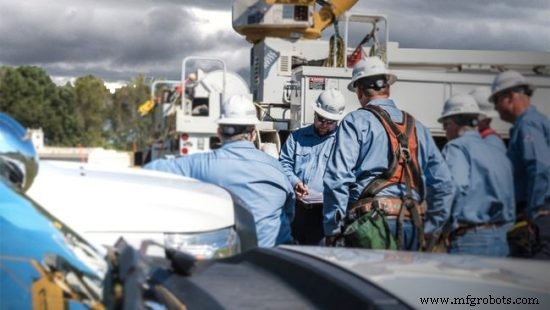
Source: Duke Energy
Digital grid migration involves transitioning legacy infrastructure to an Internet Protocol (IP) foundation, incorporating open‑standard communication networks that enable advanced automation and real‑time data exchange.
With this technology, utilities can:
- Detect faults as they occur. Self‑healing grids instantly redirect power to healthy sections, minimizing customer impact. Many customers experience only a brief flicker before service is restored.
- ‘Last‑line’ or ‘dying‑gasp’ monitoring allows utilities to pinpoint fault locations with high accuracy, accelerating field response and reducing the number of repair crews needed.
- Real‑time data feeds let customers view outage status online—down to their exact geographic location and estimated repair times.
We have been at the forefront of the digital grid revolution, assisting the world’s largest utilities in modernizing their networks with cutting‑edge, upgrade‑ready technology. Our solutions deliver highly secure communications and meet NERC CIP standards, ensuring reliable, rapid response to any incident—from a minor line fault to a catastrophic natural disaster.
Using Cisco’s Connected Grid GridBlock Architecture, utilities can seamlessly integrate their electrical network with digital communications, providing end‑to‑end control from trans‑regional and interchange systems through substations and distribution networks all the way to the end‑user premises.
Discover how we can elevate your digital grid strategy:

Internet of Things Technology
- How Digital Transformation is Reshaping the Paper Industry's Future
- Digital Factory Explained: Definition, Benefits, and Transformation Opportunities
- How 5G Fuels IoT: Current State, Opportunities, and Key Challenges
- Industrial IoT: Driving Digital Transformation and New Business Value
- Harnessing IoT to Bridge the Digital Divide in Education
- Digital Twins in Manufacturing: Benefits, Challenges, and the Road Ahead
- Harnessing Real-Time Sports Analytics to Elevate Fan Engagement
- Fusion 360: Driving Innovation in the Fourth Industrial Revolution
- Driving the Future: How Digital Transformation & IoT Revolutionize Automotive Manufacturing
- How Automation is Shaping the Future of Digital Manufacturing