



Managed vs. Unmanaged Switches: How Automation Enhances Reliability and Security
Let’s tackle the most common misconception about network switches today: that unmanaged devices are the cheapest, simplest solution for industrial networks.
While they do come with a lower upfront cost, unmanaged switches lack the controls, visibility, and protection required for modern industrial control systems. In contrast, managed switches provide the configuration flexibility, traffic prioritization, and security features that keep your production lines running smoothly and safely.
Listen to the podcast!
Part of our new podcast series, Cisco Manufacturing Leaders
Also available on Apple Podcasts and Spotify (requires sign‑in)

The bottom line is that network automation is all about agility.
Automation lets you enact changes instantly, shifting from a reactive to a proactive stance. This speeds market entry, improves customer responsiveness, and keeps your business ahead of competitors.
Top 3 Facts About Network Automation
- Managed switches are essential for five critical capabilities.
- Automation protects your network against evolving cyber threats.
- Rapid change boosts customer satisfaction and unlocks new markets.
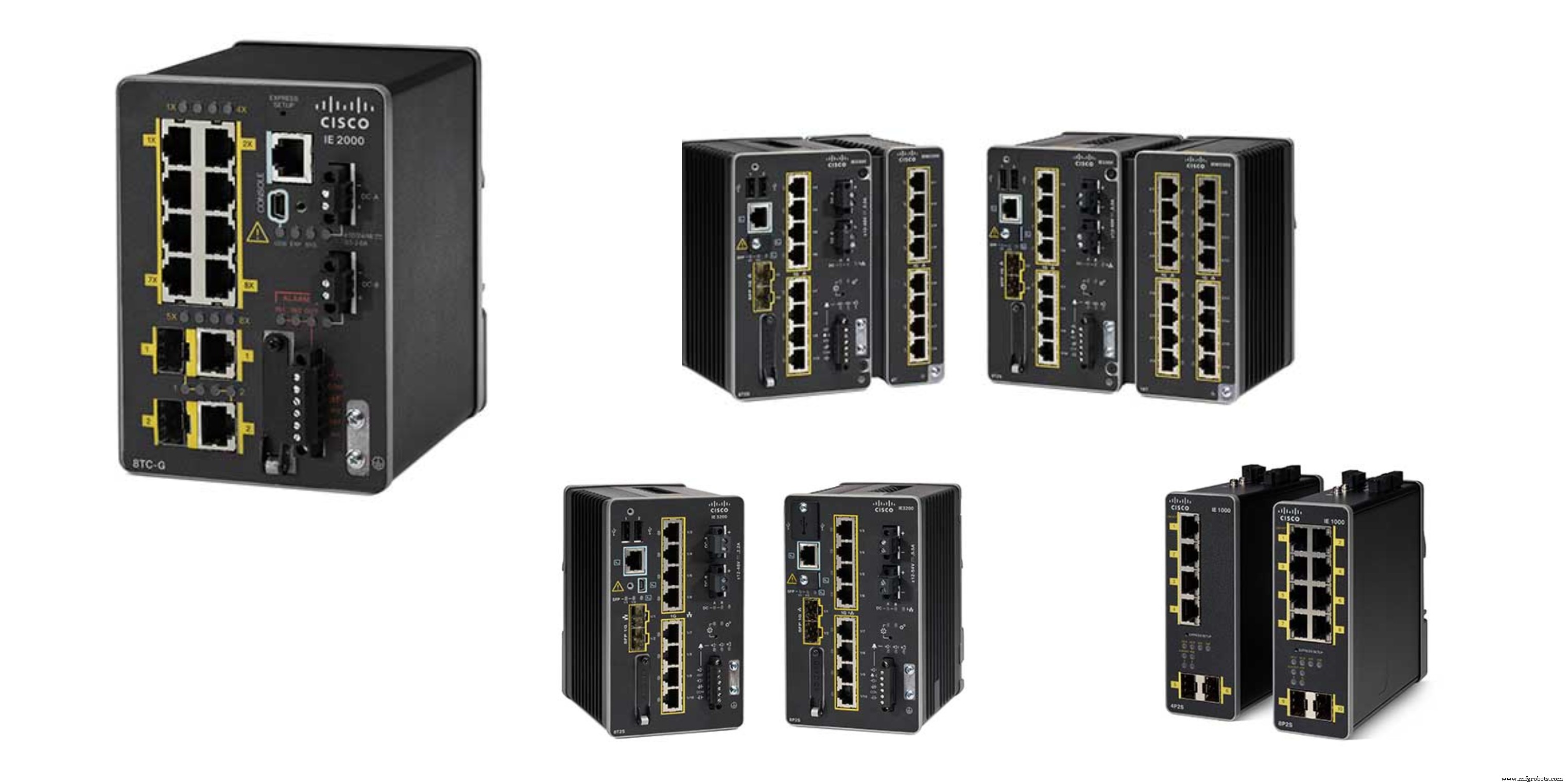
Fact #1: Managed Switches Are a Must‑Have
According to Field Engineer.com, an unmanaged switch simply forwards traffic with no configurability—ideal for small or temporary networks. A managed switch, however, offers:
- Full control over VLANs, QoS, and port security.
- Redundancy protocols (e.g., Spanning Tree) to eliminate single points of failure.
- Advanced monitoring via SNMP and port mirroring.
Using unmanaged switches for Industrial Automation Control Systems (IACS) exposes you to five major risks:
Reason #1 – Open Ports Pose a Security Threat
Unmanaged devices have no port security, allowing anyone to plug in a device and potentially introduce malware. Managed switches enable administrators to lock down ports and block unauthorized access.
Reason #2 – Lack of Redundancy Leads to Downtime
Without redundancy, a single cable failure can bring a critical segment to a halt. Managed switches provide alternate data paths that keep systems online and prevent costly outages.
Reason #3 – No Traffic Prioritization
Critical control traffic can be throttled by less important data on an unmanaged switch. Managed devices support Quality of Service (QoS) to guarantee that time‑sensitive packets arrive on time.
Reason #4 – No VLAN Segmentation
VLANs isolate traffic logically, reducing congestion and enhancing security. Without VLANs, all traffic shares the same broadcast domain, increasing collision risk.
Reason #5 – Limited Monitoring and Troubleshooting
SNMP, port mirroring, and detailed performance dashboards allow you to detect issues early and resolve them without pulling machines offline.

Fact #2: If It’s Connected, It Must Be Protected
Source: The Evolution of Industrial Cyber Security and Cyber Risk 2019
Industrial Internet of Things (IIoT) and Industry 4.0 initiatives generate unprecedented amounts of asset data. Each new connection—whether a PLC, RTU, or consumer‑grade IoT device—introduces a potential attack vector. Cyber risk arises from four domains: devices, applications, people, and infrastructure.
Effective risk management requires a comprehensive strategy that covers:
- Risk analysis and continuous monitoring.
- Segmentation of legacy OT systems from newer COTS devices.
- Implementation of secure, automated policies.
- Preparation for emerging threats.
Want to deepen your understanding? Download our in‑depth guide on securing industrial networks.

Fact #3: Rapid Adaptation Drives Growth
The Plex 4th Annual State of Manufacturing Technology Report highlights scalability as the primary barrier to rapid growth. Companies that can swiftly reconfigure networks, deploy new devices, and scale processes gain a decisive edge.
Automation allows you to:
- Reconfigure network paths without manual rewiring.
- Deploy new services through scripted updates.
- Maintain uptime while expanding production lines.
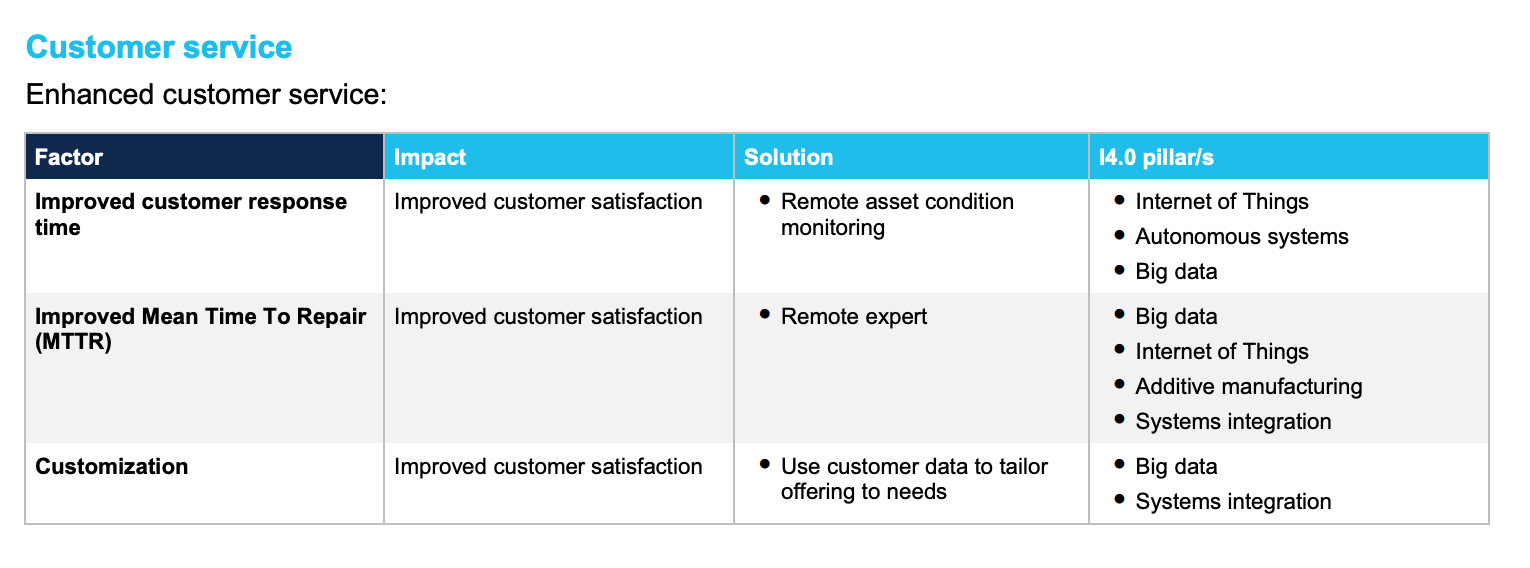
Ultimately, the goal is to serve customers faster and more reliably—turning technology investments into tangible competitive advantage.
Want to Learn More?
Explore these additional resources:
- Bottled Better: Coca‑Cola’s Connected Factory Approach (blog)
- Smart Manufacturing (ebook)
- New Network Saves Automotive Manufacturer $1M in Year One (case study)
Have a question or topic suggestion?
Submit your query in the comments below. We’ll respond within two business days and consider your suggestions for future episodes.
Internet of Things Technology
- Why Managed Switches Outperform Unmanaged Ones in Industrial Machines
- Lanner HybridTCA: High‑Density Converged Infrastructure for Ultra‑Reliable Enterprise Systems
- How Automation Drives Lean Manufacturing Success
- Monitoring the Internet of Things: Ensuring Secure, Reliable IoT Networks
- VR’s Proven ROI: Transforming Engineering Design, Training, and Collaboration
- Streamlining the SIM Lifecycle: A Digital Strategy for CSPs
- The Role of 0G Technology in Managing Epidemics
- IBM: AI Automation Drives Efficiency & Strategic Focus for European Businesses
- How Automation Boosts Business Efficiency and Growth
- How Global Manufacturing Networks Boost Efficiency, Quality, and Market Reach