



4 Reasons Retailers Are Phasing Out Barcodes
Although the concept of a barcode dates back to 1932, the first real scan—of a Wrigley’s chewing‑gum pack—happened in 1974 at an Ohio supermarket. Since then, optical markings have become the most widespread method for asset identification. Each barcode embeds a specific pattern that machines and cameras are programmed to read. Their low cost makes them ideal for commodity labeling.
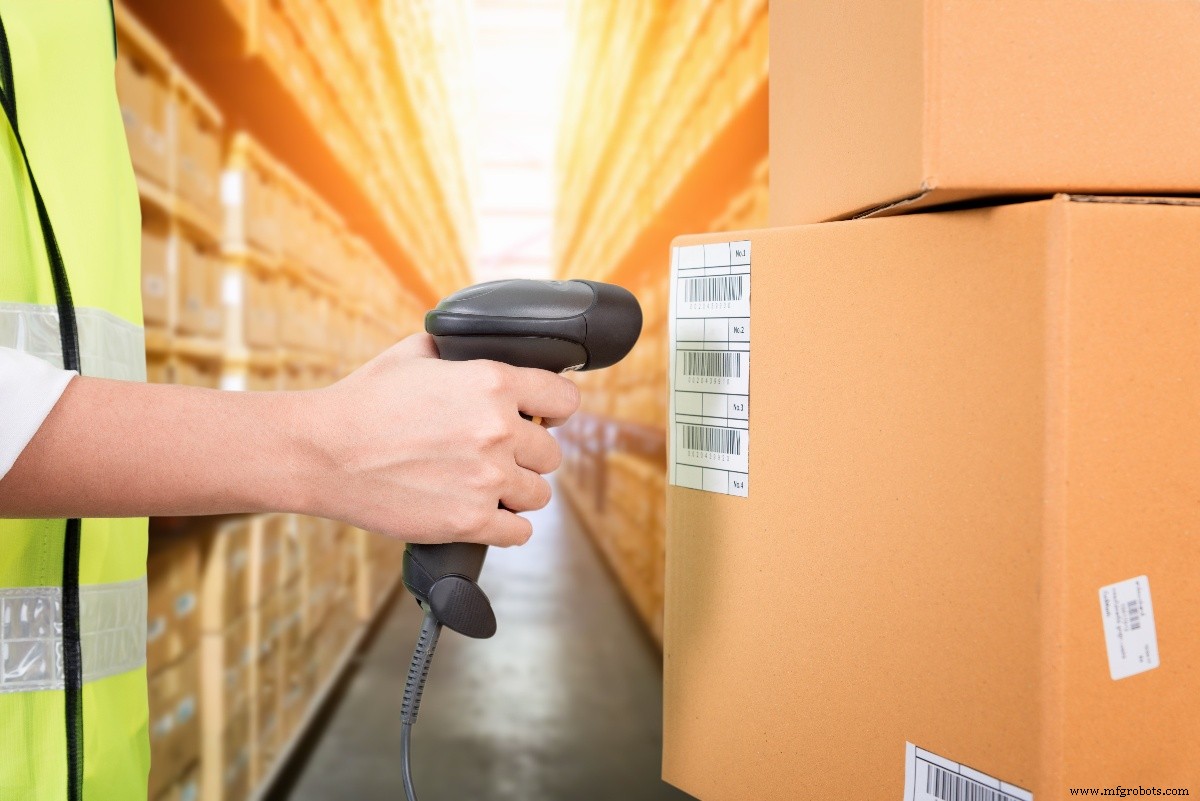
Barcodes can also support basic asset tracking. A cash register, for instance, logs the physical location of every scanned item. However, this capability is limited. Below are four key reasons why retailers are moving beyond barcodes.
Human Error
When a barcode is damaged or missing, a clerk may resort to manually entering a PLU code. This opens the door to mistakes—entering the wrong number, mis‑weighing items, or mis‑identifying a product. If a clerk memorizes an incorrect code, a customer could be charged for the wrong item, such as expensive cherries instead of cheap bananas. In warehouses, a mis‑labelled pallet can go unnoticed, further compromising inventory accuracy.
Image Recognition Technology
Traditional 1D barcodes hold up to 84 characters. 2D barcodes, like QR codes, can store up to 7,000 characters—roughly two paragraphs of text in less than a square inch. Yet QR codes still require a clear, separate code on the product. Image‑recognition systems can read the product’s design—think of a scanner that spots the iconic blue‑and‑white Oreo lettering and automatically registers the item in the system.
Next‑generation “image barcodes” embed an invisible pattern directly onto the packaging surface. Clerks can scan the product without looking for a separate code, speeding up checkout and reducing errors.
Just‑Walk‑Out Technology
Amazon Go stores demonstrate how far image recognition can go. Customers scan a QR code on a phone app to enter; no barcodes exist on any products. Cameras, depth sensors, and deep‑learning algorithms track every item a shopper picks up or returns. Facial recognition and RFID readers associate each action with a customer, adding the item to a virtual cart that is charged automatically when the shopper exits.
RFID Technology
For high‑value items, locating assets becomes critical. Passive RFID tags transmit data up to 30 feet when powered by a reader, but otherwise remain silent. Active RFID tags, powered by batteries, can broadcast up to 1,500 feet. Within active tags, beacons send data at regular intervals for continuous visibility, while transponders respond only when queried, conserving battery life.
Although RFID can identify items from long distances, it typically requires many readers and does not provide real‑time tracking without additional infrastructure.
Wrapping Up
Historically, a retailer had to manually scan items and record them in spreadsheets. Today, asset‑management software centralizes data from barcodes, image‑recognition, and RFID, reducing human error and improving data quality. Real‑time location systems (RTLS) enhance insight into purchasing trends and streamline equipment relocation.
At Link‑Labs, we specialize in cost‑effective asset tracking solutions. If you’re ready to future‑proof your retail operations, contact us today.
And, to dive deeper into the history of asset tracking, download our Ultimate Guide now.
[Get Your Ultimate Guide]
Internet of Things Technology
- 5 Key Insights: Active RFID & Real‑Time Location Systems
- How Asset Tracking Tech Saves Money and Boosts Efficiency—A Practical Guide
- Three RFID Technologies Transforming Healthcare Tracking: Passive, Active, and Intelligent
- BLE vs RFID: Choosing the Right Asset Location Technology
- How RFID Is Revolutionizing In‑Store Customer Insights and Inventory Management
- IR Sensor 2.0: Driving the Next Wave of IoT Innovation
- LoRaWAN: The Immediate Bridge to 5G‑Ready IoT Connectivity
- Can AI Replace Your Maintenance Job? Insights from a Predictive Maintenance Expert
- Will AI Replace Human Conversation? The Limits of Chatbot Technology
- Barcodes vs. RFID: Choosing the Best Technology for Accurate Data Collection & Inventory Tracking