



How Machine Builders Can Boost Revenue by 20% with Digital Services
Industry leaders predict that digital services will account for 20% of a machine builder’s revenue within the next five years. Are you ready to capture that share?
Offering digital products is a proven pathway for machine builders to create new, recurring revenue streams. In five years, 20% of revenue is expected to stem from digital services. Where will you be then?
IXON is dedicated to helping machine builders realize this ambition, not only by identifying viable new business models but also by delivering practical solutions that require minimal investment and deliver rapid ROI.
This article examines the challenges facing machine builders and introduces disruptive business opportunities that leverage logged data to generate cost savings and new income streams.
Current Challenges for Machine Builders
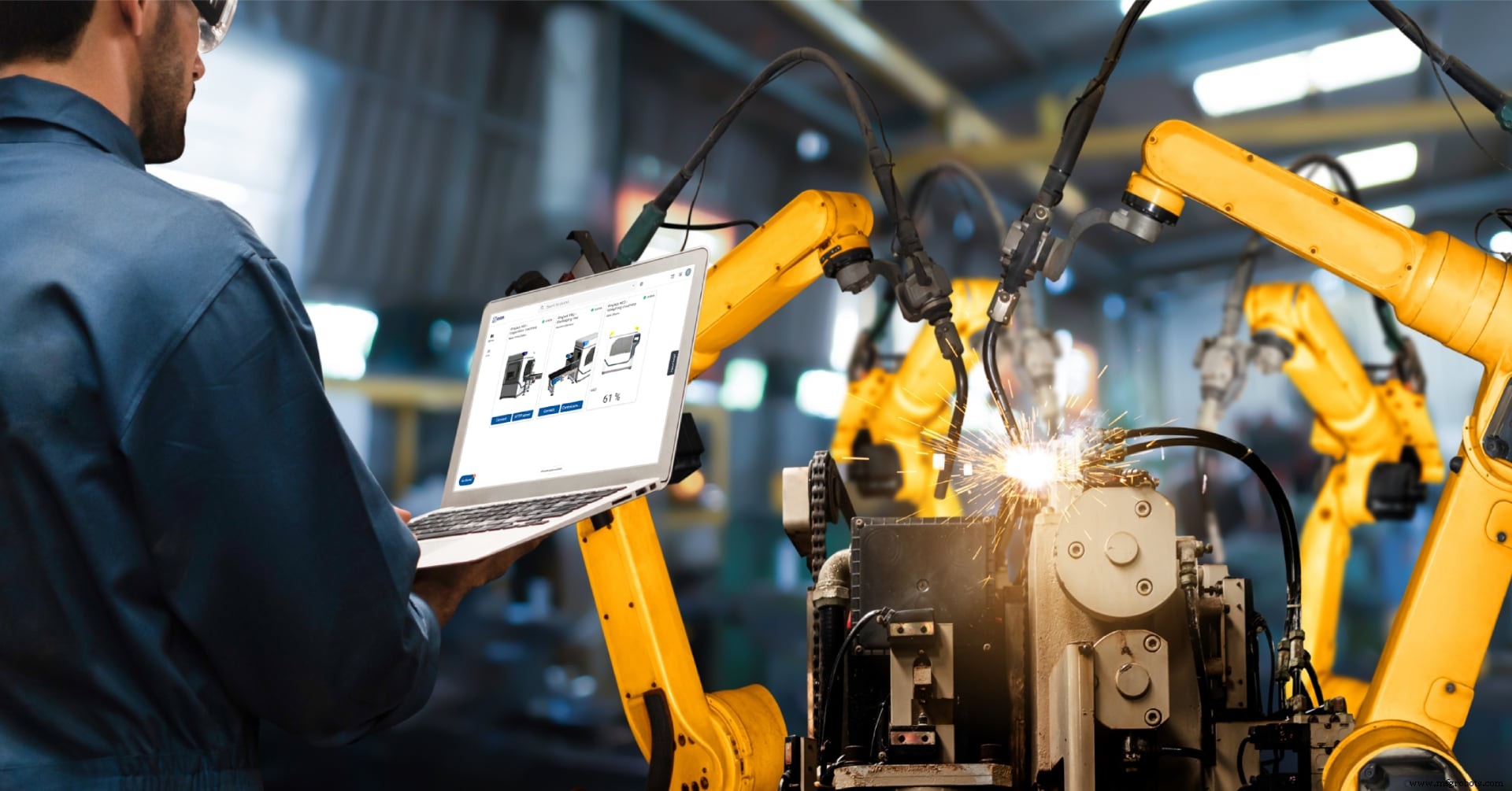
Machine builders operate in a fiercely competitive landscape, often focusing on customer demands rather than charting their own path to success. Optimizing cost and performance requires a clear digital roadmap.
Exploring digital solutions without a large upfront investment is difficult. Limited expertise, technology overload, and cybersecurity concerns further complicate the journey.
The key question remains: How can you generate 20% of revenue from digital services in five years with a model that benefits both you and your customers—one they’re willing to pay for?
Beyond Remote Access: New Revenue Potentials
Profiting from digital services requires a mindset shift. By critically assessing existing offerings and collaborating with customers, you can uncover new opportunities.
Below are four data‑driven business models that can either unlock new revenue or reduce costs, giving your machines a competitive edge.
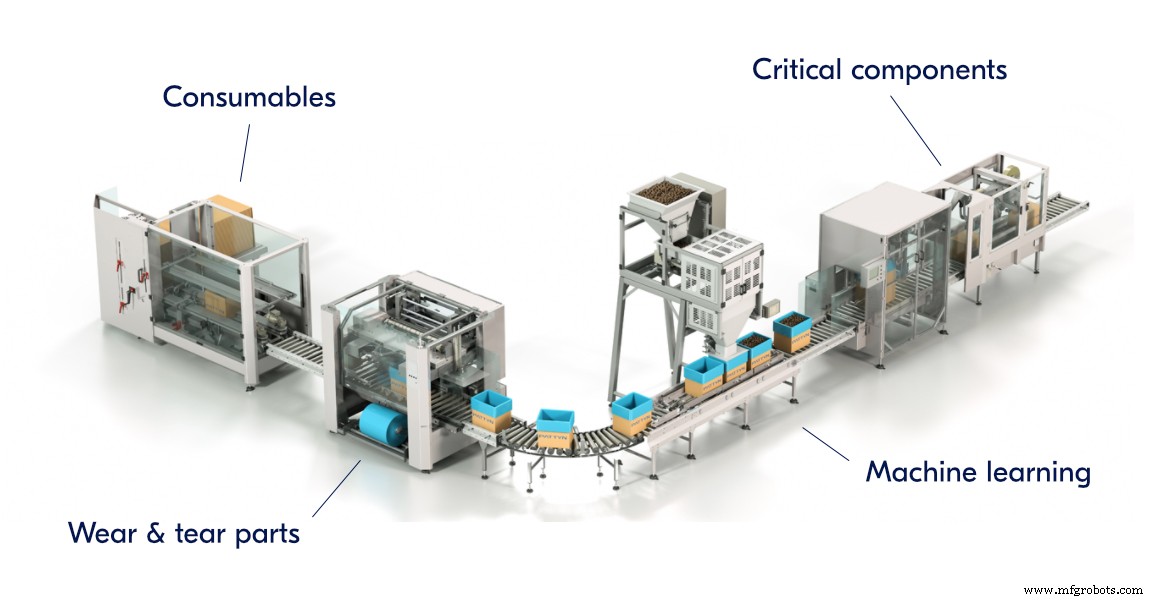
- Recurring revenue through a consumable strategy
- Monitoring services for wear‑and‑tear components
- Cost savings via machine learning insights
- Predictive monitoring contracts for critical parts
Recurring Revenue via a Consumable Strategy
Out‑of‑spec consumables often cause significant downtime. Providing optimized consumables—either as a direct sale or bundled with machine purchases—keeps machines running and generates steady income.
Industries such as printing and packaging have successfully adopted this model, delivering consumables proactively and eliminating the customer’s logistical burden. The result: higher uptime and a reliable revenue stream.
Consider whether this model fits your product line. Read our blog for deeper insights.

Wear‑and‑Tear Monitoring: Multiple Profit Streams
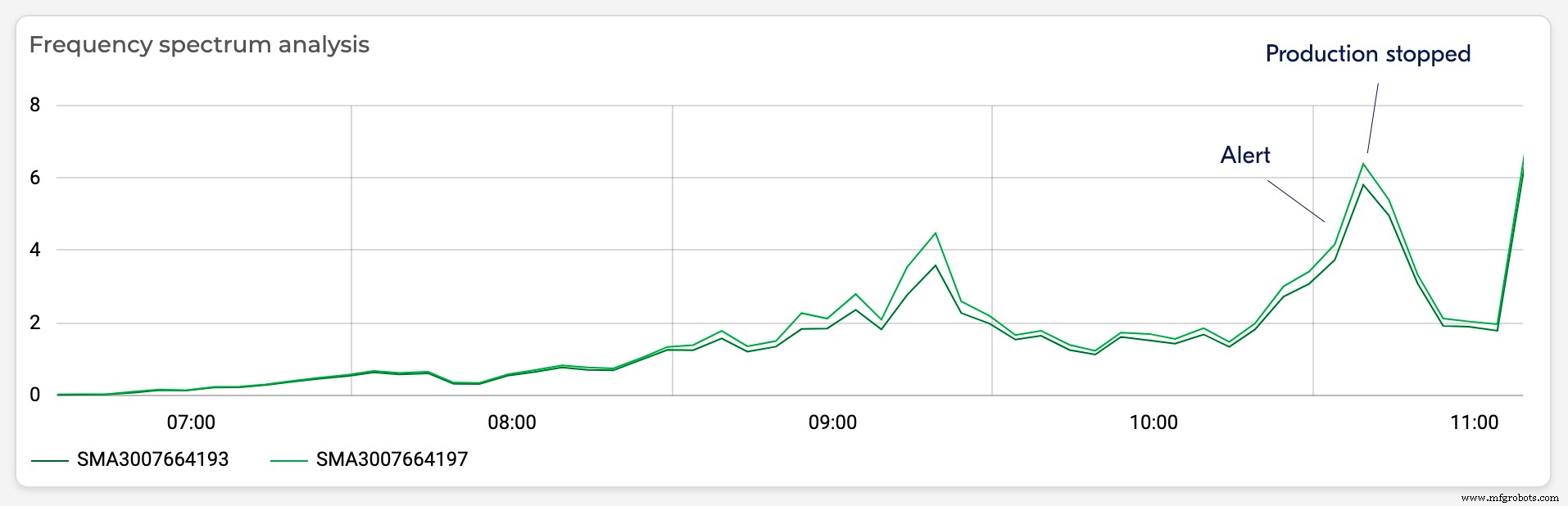
Predictable wear on specific components can trigger unplanned downtime, eroding customer satisfaction and inflating costs. By analyzing machine data, you can forecast component life‑cycles and alert customers before failure.
Charging a modest fee for this proactive service can prevent production stoppages, boost spare‑part sales, and strengthen customer loyalty.
Want happier, more profitable clients? Explore how condition monitoring can help.

Cost Reduction through Machine Learning
Adopting machine learning may seem daunting for smaller builders, yet learning from real‑world data is straightforward. Often, safety margins are set conservatively, leading to over‑specification.
By systematically collecting and analyzing field data, you can identify components that consistently outperform expectations and safely reduce safety margins, lowering manufacturing costs.
These insights can be incorporated into future designs, delivering a competitive advantage. Discover how machine learning can save you money.

Predictive Monitoring Contracts for Critical Parts
Critical components often fail unexpectedly, causing prolonged downtime because spare parts are not on hand. Predicting failures using PLC‑level data and historical patterns enables pre‑emptive replacements.
With this proactive approach, you can offer customers scheduled maintenance, reduce downtime, and enhance the value of your service contracts.
Ready to elevate customer satisfaction while boosting after‑sales revenue? Learn more about predictive services.
Rapid ROI with New Service Strategies
Digital transformation can be achieved with manageable investments, but it requires a clear strategy for turning machine data into value.
Define a digital roadmap that aligns with customer needs and offers compelling pricing models. If you need guidance on crafting a digital strategy or unlocking data‑driven revenue, contact our industry experts for a complimentary consultation.
Internet of Things Technology
- Eclipse Ditto 1.0 – The Device‑as‑a‑Service Platform for Digital Twin Development
- 3 Proven Strategies to Boost Manufacturing Productivity with Asset Tracking
- IoT Security Services Market to Reach $8 B by 2026 Amid 5G Expansion
- Choosing the Right Industrial IoT Platform for Machine Builders: A Comprehensive Comparison
- How IIoT Transforms Packaging Machine OEMs: Boost Efficiency, Reduce Downtime, Unlock New Revenue
- Digital Cutting Solutions for the Carpet Industry – OMNI CNC
- 8 Proven Ways to Cut Maintenance Costs and Boost Revenue with Digital Maintenance Software
- Top 5 Proven Safety Practices for Operating Industrial Machinery
- Boost Your Factory Efficiency: 3 Proven Strategies to Maximize Machine Productivity
- Digital Twins: Revolutionizing Machining for Efficiency and Workforce Challenges