



Augmented Reality: Transforming Manufacturing with Real‑Time Insights and Remote Expertise
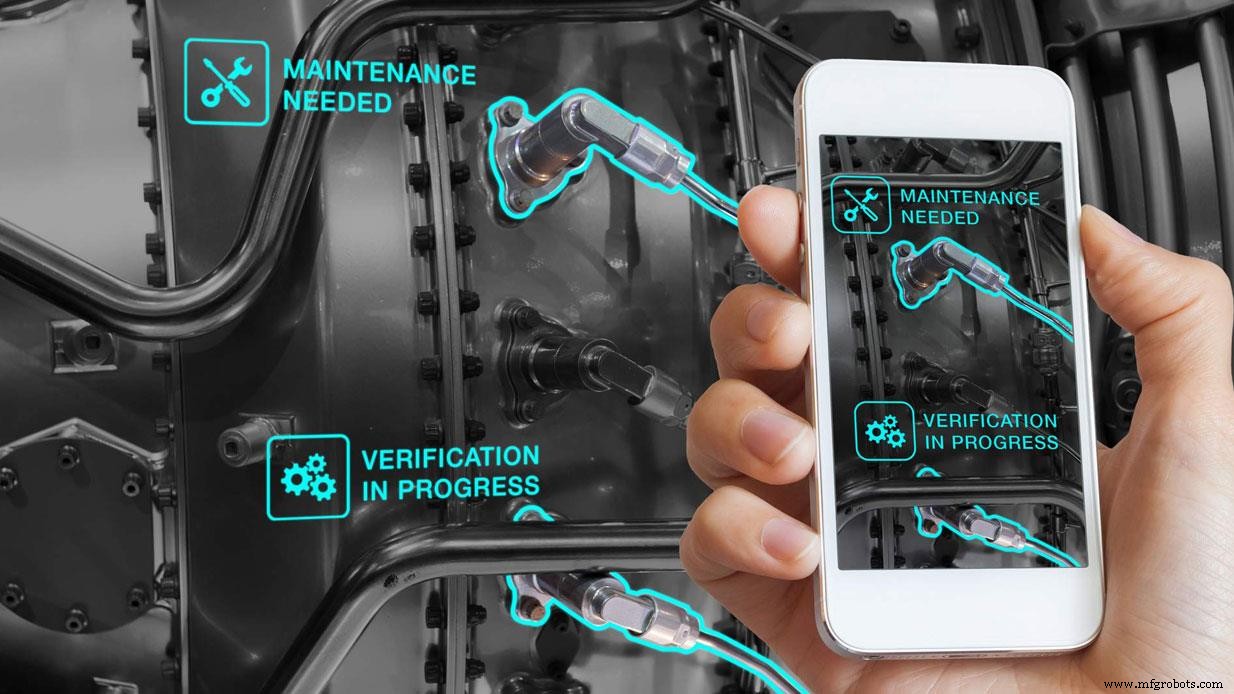
Over two centuries ago, German philosopher Immanuel Kant envisioned virtual reality as a construct of the mind rather than the physical realm. Today, VR has become a staple across gaming, marketing, and industrial sectors. Augmented reality (AR) builds on that legacy by superimposing digital information onto the real world, offering a richer, more interactive experience.
AR goes beyond the novelty of games like Pokémon Go; it can deliver live data, step‑by‑step instructions, and contextual analytics directly to the user’s field of view. In manufacturing, this capability unlocks unprecedented levels of efficiency and safety.
While AR applications in factories are still emerging, their potential is undeniable. The technology can overlay essential metrics—such as performance, output, and temperature—onto equipment, enabling operators to monitor critical parameters without diverting attention to separate screens.
Microsoft’s HoloLens, a mixed‑reality headset that fuses AR and VR, has already found use in production facilities to display real‑time machine diagnostics and streamline workflow management.
One of AR’s most impactful uses is in maintenance. When a machine stalls, a technician can don a headset and simultaneously inspect the physical components while viewing on‑screen instructions and schematics. This eliminates the need for paper manuals, accelerates troubleshooting, and guides even novice staff through repairs in a step‑by‑step sequence.
For complex equipment or plants with limited experienced personnel, AR offers remote expert support. A technician can receive live guidance from a specialist—such as a robot manufacturer in Japan—without costly travel. The specialist can virtually “demo” corrective actions, effectively training the operator in real time.
Training new hires is another critical area where AR shines. Traditional onboarding can be risky, especially in hazardous processing environments. Lightweight AR solutions—like tablets, smartphones, or smart glasses—can present contextual data and safety alerts directly on the equipment, ensuring compliance with protocols without hindering visibility.
Consider a new operator tasked with a never‑before‑used processing machine. AR can surface real‑time data, trigger alerts if temperatures exceed safe thresholds, and guide the operator through each step, reducing the learning curve and enhancing safety.
Jaguar Land Rover, in partnership with Bosch, has pioneered an AR training application that projects a virtual X‑ray onto a vehicle’s dashboard. Technicians can view internal components without physically disassembling the panel, saving time and reducing costs.
While the concept of AR dates back centuries, the technology is now finally reaching its full potential in manufacturing. By improving maintenance workflows and elevating training standards, AR is set to become a cornerstone of modern industrial operations.
About the Author
Mark Howard is the director of EU Automation, an industrial equipment supplier.
Internet of Things Technology
- How Augmented Reality Enhances Industrial Maintenance Efficiency
- Augmented Reality: Revolutionizing Manufacturing for Efficiency & Innovation
- Enhancing Manufacturing Efficiency with Voice Recognition Technology
- Revolutionizing Smart Manufacturing with Augmented Reality
- Revolutionizing Design Engineering with Virtual Reality
- Boosting Connectivity in UK Manufacturing: Strategies for a Connected Industry 4.0 Future
- Mastering Production Planning: Strategies to Boost Efficiency and Reduce Costs
- Boost Manufacturing Efficiency: Proven Strategies for Peak Performance
- Boost Your Manufacturing Efficiency: Proven Strategies to Maximize Productivity
- Synergizing Additive and Subtractive Manufacturing to Elevate Product Quality