



Smart Manufacturing and IoT: Driving the Next Industrial Revolution
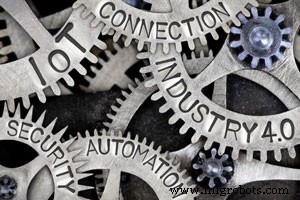
Smart manufacturing, powered by the Internet of Things (IoT), is steering the industry toward a new era of productivity and innovation. In 2016, IDC estimated that the manufacturing sector invested a staggering $178 billion (€152.89 billion) in IoT solutions—twice the amount spent by the transportation sector, the second‑largest IoT vertical. According to MarketsandMarkets, the global smart‑factory market is projected to reach $205.42 billion by 2022, growing at a CAGR of 9.3% from 2017 to 2022.
In this fiercely competitive landscape, IoT‑enabled smart factories deliver end‑to‑end visibility of assets, processes, and products. This visibility fuels streamlined operations, maximized productivity, and a stronger return on investment. The secret lies in connecting equipment, integrating heterogeneous industrial data, and securing systems throughout the entire equipment lifecycle.

For over two decades, Gemalto has been a trusted partner, helping enterprises connect, secure, and monetize their operations with IoT technology. In this dossier, we share proven best practices for companies ready to embrace Industry 4.0.
What is Smart Manufacturing and How Does It Relate to IoT?
Smart manufacturing enables factory managers to automatically capture and analyze data, driving informed decisions and production optimization. Sensors and machines transmit data to the cloud via IoT connectivity solutions deployed on the shop floor. The data is then combined with contextual information, analyzed, and shared with authorized stakeholders.
Leveraging both wired and wireless connectivity, IoT facilitates real‑time monitoring and management of processes, allowing rapid adjustments to production plans. This capability dramatically reduces waste, accelerates throughput, and improves yield and product quality.
Replacing the traditional hierarchical shop‑floor structure with an open, flat, fully‑interconnected model links R&D, supply‑chain, and manufacturing, unlocking benefits across performance, quality, cost, and resource management. Smart products feed back data to the factory, enabling real‑time quality detection, design adjustments, and informed feature evolution based on actual consumer use.
How Is the Manufacturing Marketplace Evolving?
The sector is being reshaped by the relentless momentum of the 4th Industrial Revolution, powered by IoT. Technological breakthroughs are accelerating faster than ever, compelling leaders to rethink design and production. In addition to IoT, Artificial Intelligence, machine learning, and Virtual Reality are poised to transform manufacturing further.
World‑class manufacturers in China, the US, and Europe have launched initiatives to strengthen their competitive edge in smart manufacturing. These nations are engaged in a global contest for Industry 4.0 leadership.
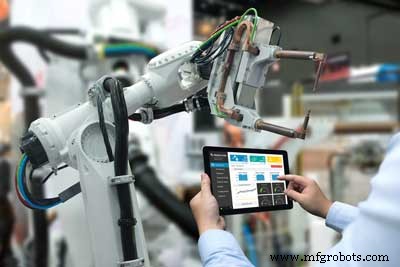
All manufacturing segments stand to benefit: discrete manufacturing—cars, furniture, airplanes—thrives on connectivity, while process manufacturing—bulk goods produced by precise recipes—gains from improved plant monitoring, supply‑chain visibility, and enhanced traceability.
Why Is Security a Huge Concern in Smart Manufacturing?
Manufacturing now leads infrastructure cybercrime, responsible for one‑third of all attacks. Legacy plants were not built with cybersecurity in mind, and attackers have become more sophisticated. As factories adopt IP‑based, IoT‑connected systems, the attack surface expands, exposing each connection point to potential interference, remote intrusion, intellectual‑property theft, and data tampering.
While many traditional security tools remain useful, they are often retrofitted rather than built in. Manufacturers must embed defensive measures into legacy equipment and adopt a security‑first architecture for new, cutting‑edge facilities.
Security concerns have slowed the adoption of IoT innovations and business models that could elevate competitiveness. Companies that lag will struggle to compete against forward‑thinking peers tackling these challenges head‑on.
What Should Industry Players Consider When Transforming to Smart Manufacturing?
Staying competitive requires partnering with automation vendors and systems integrators that can upgrade existing factories or build new ones from scratch. Leading partners incorporate security architecture into the value chain, recognizing it as a differentiator.
Manufacturers should engage integrators, developers, and technology partners with a proven track record in connecting, securing, and monetizing smart manufacturing systems. These experts can guide the selection of the most appropriate connectivity—wired, Wi‑Fi, Bluetooth, RFID, LoRa, LTE‑M, or IoT terminals—based on specific use cases.

Security must be addressed proactively. Gemalto’s Secure Elements and Hardware Security Modules (HSMs) generate and distribute device identities, authenticate users and applications, and safeguard data at rest and in transit. The Trusted Key Manager (TKM) secures credentials for LoRa and non‑cellular IoT devices, enabling scalable, trustworthy deployments.
Software monetization—licensing, IP protection, and variable feature pricing—also demands robust security, especially as industrial devices embed increasingly complex software.
How Should Stakeholders Secure Their Smart Manufacturing Facilities?
Security should be woven into every layer of manufacturing systems from day one, ensuring resilient production and defense against cyber threats. No single solution fits all; instead, manufacturers must collaborate with experts to safeguard devices, networks, data, and the software that powers IoT smart factories. Gemalto offers end‑to‑end security across all connectivity options—from cellular to LPWAN to fixed networks.
The potential of smart manufacturing is vast and should not be constrained by security doubts. Leaders must build trust by selecting proven, high‑performance solutions that remain flexible and support over‑the‑air updates to counter evolving threats throughout the equipment’s long lifecycle.
Internet of Things Technology
- Driving Convergence and Interoperability in Industrial IoT and Industrie 4.0
- How IoT is Driving the Next Generation of Manufacturing
- IoT and Industry 4.0: How the Fourth Industrial Revolution Is Shaping Manufacturing
- Smart Manufacturing Meets Big Data: Unlocking Predictive Efficiency and Innovation
- Smart Data: Navigating the Next Frontier of IoT and Big Data
- Accelerating Smart Machine Development with Industrial IoT
- Industrial IoT: Key Building Blocks Driving Industry 4.0
- Exploring Cutting-Edge IoT Innovations & Real-World Applications
- Smart Manufacturing: Stay Ahead in the Industrial Revolution
- From Steam to Smart Factories: The Evolution of Industrial Manufacturing 1.0 to 4.0