



AI is Reshaping SOCs: Tackling Talent Shortages and the Surge of Cyber Threats

Greg Martin (left) of Jask
Cybersecurity faces a stark reality: the volume of daily threats far outpaces the number of qualified security analysts. This imbalance threatens to leave many organisations exposed.
Machine Learning, a sub‑field of Artificial Intelligence (AI), offers a pragmatic solution. By automating routine detection and triage tasks, AI can free human analysts to focus on the most complex investigations. Greg Martin, co‑founder of Jask, emphasizes that AI is not a replacement but a force multiplier for SOC teams.
North America alone reports over three million open cybersecurity positions, a figure that climbs even higher worldwide. Without AI‑driven tools to accelerate threat identification and response, organisations risk falling further behind their adversaries.
Historical incidents such as the Equifax breach illustrate the consequences of insufficient resources. Equifax was overwhelmed by the sheer volume of threats, leading to one of the most costly data breaches in history.
Modern SOCs must delegate repetitive, high‑frequency pattern matching to machines. AI excels at sifting through massive data streams—something no analyst can sustain in real time. While a fatigued analyst might miss subtle indicators, an AI system can continuously analyze logs and alert on anomalies with speed and precision.
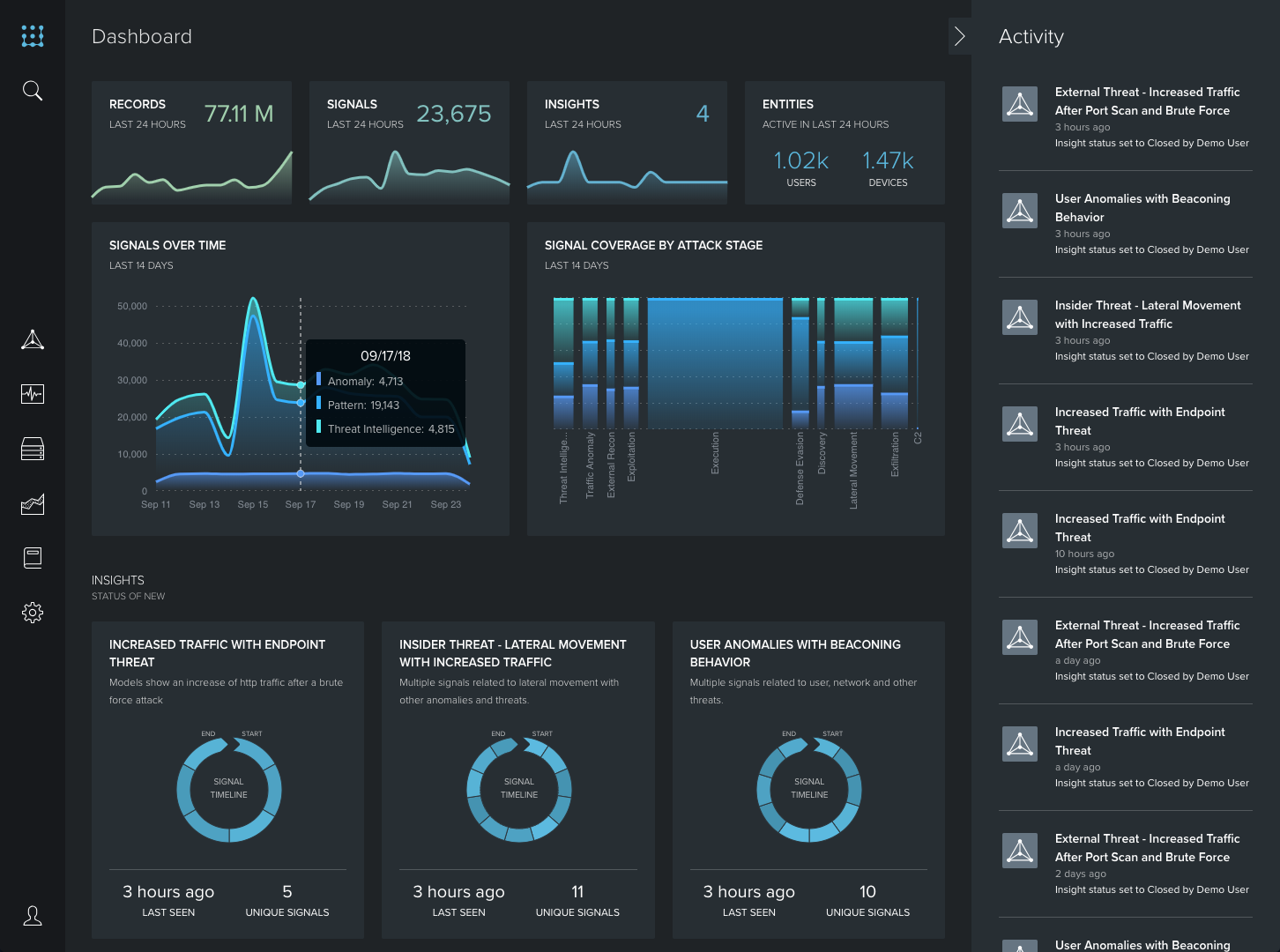
We anticipate that, within the next five to ten years, AI will efficiently handle routine automated attacks and financial crime vectors. For sophisticated, state‑level adversaries, however, the best defense remains a human analyst augmented by AI’s rapid pattern recognition.
AI’s primary advantage lies in filtering the noise: distinguishing high‑threat actors from the thousands of low‑level cybercrimes that flood SOC dashboards every day. The challenge has shifted from finding a needle in a haystack to identifying the most dangerous needle among thousands of needles.
The current landscape is a 24/7 global cyber‑arms race. Tools like WannaCry—originating from a leaked NSA weapon—demonstrate how quickly advanced threats can be weaponised and deployed. As cyber‑weapon proliferation becomes the new norm, AI is the only viable means to maintain situational awareness and adaptive defence.
Author: Greg Martin, co‑founder of Jask
Internet of Things Technology
- The Macintosh Moment: Leveraging UX and Design Thinking for the Next IoT Revolution
- AI‑Driven Log Analytics: The Future of IT Operations and DevOps
- Overcoming the Top Seven Last‑Mile Delivery Challenges: Proven Solutions for Faster, Cost‑Effective Shipping
- Leveraging Automation to Tackle the Global Retirement Challenge
- Avoiding Reactive Maintenance Pitfalls: Keep Equipment Running Smoothly
- 9 Welding Issues You’ll Encounter – Expert Fixes & Prevention Tips
- Privacy Trends to Shape the Next Decade of IoT
- Top 5 Warehouse Challenges & Proven Solutions for Faster Fulfillment
- Overcoming Edge Computing Challenges: Proven Strategies for Real-Time Data Processing
- Preventing Transmission Failures in Semitrucks: Key Causes & Solutions