



Sensor‑Woven Shirts Offer Real‑Time Vital Sign Monitoring
Researchers have developed a way to incorporate electronic sensors into stretchy fabrics, allowing them to create shirts or other garments that could be used to monitor vital signs such as temperature, respiration, and heart rate.
The sensor-embedded, machine-washable garments can be customized to fit close to the body. The researchers envision that this type of sensing could be used for monitoring people who are ill, either at home or in the hospital, as well as athletes or astronauts. The customizable garments could be used by anyone who needs some physical data from their body like temperature, respiration rate, etc.
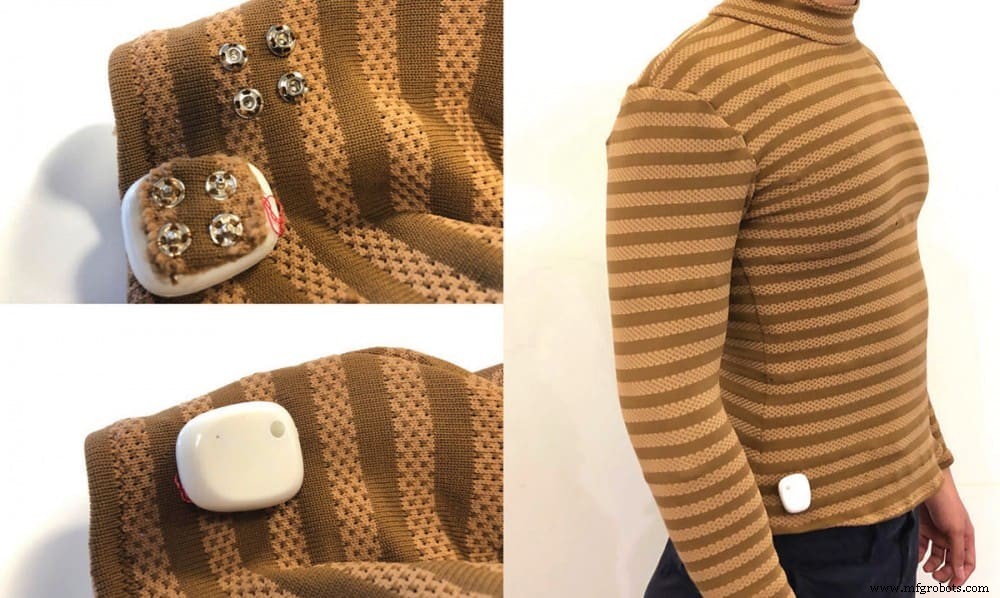
The electronic sensors consist of long, flexible strips that are encased in epoxy and then woven into narrow channels in the fabric. These channels have small openings that allow the sensors to be exposed to the skin. For this study, the researchers designed a prototype shirt with 30 temperature sensors and an accelerometer that can measure the wearer’s movement, heart rate, and breathing rate. The garment can then transmit this data wirelessly to a smartphone.
The fabric — a polyester blend — was chosen for its moisture-wicking properties and its ability to conform to the skin, similar to compression shirts worn during exercise. The garments can be washed with the sensors embedded in them and the sensors can also be removed and transferred to a different garment.
The prototype shirts were tested as wearers exercised, allowing them to monitor changes in temperature, heart rate, and breathing rate. Because the sensors cover a large surface area of the body, the researchers can observe temperature changes in different parts of the body and how those changes correlate with each other.
The shirts can be easily manufactured in different sizes to fit an array of ages and body types. The researchers are developing other types of garments, such as pants, and are working on incorporating additional sensors for monitoring blood oxygen levels and other indicators of health.
This kind of sensing could be useful for personalized telemedicine, allowing doctors to remotely monitor patients while patients remain at home.
Sensor
- Revolutionizing Health Monitoring: Sensor‑Based Vital Sign Measurements
- mmWave Radar for Contactless Monitoring of Heart and Breath Rates
- MIT Breakthrough: Stretchy, Machine‑Washable Garments Embedded with Sensors for Real‑Time Vital‑Sign Monitoring
- Remote Heart Rate Monitoring System with AWS IoT Alerts
- Integrated Heart‑Rate Sensors in Smart Clothing: Reliable Wearable Monitoring
- New Facemask Prototype Diagnoses COVID‑19 in 90 Minutes Using Advanced Sensor Technology
- How Hazardous Gas Detection Protects Lives and Workplaces
- Integrating LEDs Directly Into CPUs: Revolutionizing Chip Design
- Robot Performs Contact-Free Vital Sign Assessments, Enhancing Safety in Healthcare
- Printable Light Sensors Now Detect Colors, Paving the Way for Visible Light Communication