



Is Fiberglass Grating Superior to Steel? A Professional Comparison
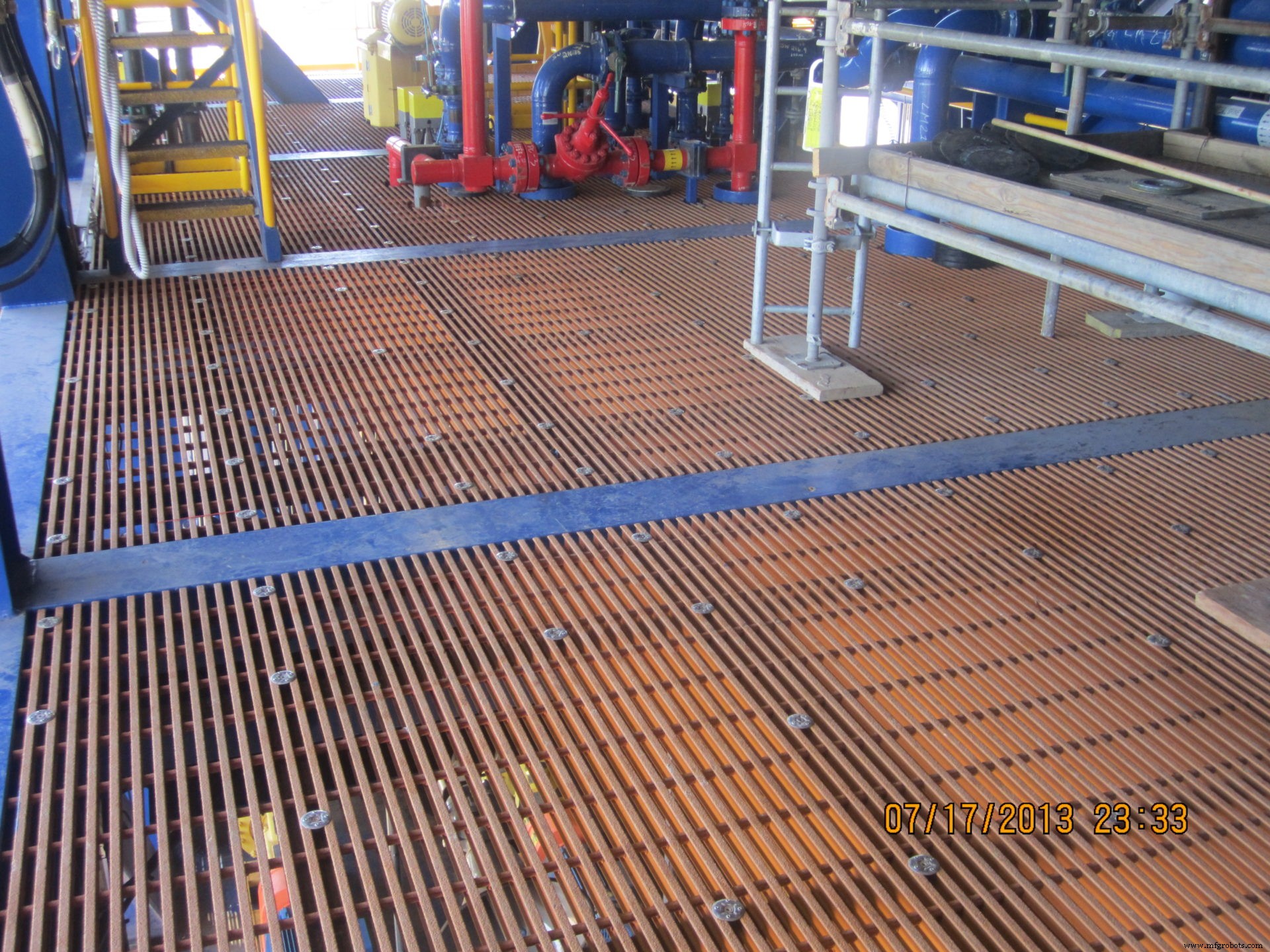
Steel grating has long been favored for its low initial cost, yet it often falls short in long‑term value and performance. Fiberglass grating—especially when pultruded into the same structural profiles as steel—offers a lighter, corrosion‑resistant alternative that delivers equivalent strength at a fraction of the total life‑cycle cost. Below is a detailed look at how fiberglass outshines steel across key performance metrics.
The Top Advantages Of Fiberglass Grating Over Steel
Strength
Fiberglass grating matches steel in load‑bearing capacity, and pultruded versions can even exceed it thanks to their engineered fiber orientation. Unlike steel’s inherent brittleness, fiberglass is a flexible composite that absorbs impact without denting or cracking. A specialty gel coat applied during manufacturing adjusts hardness to meet specific application needs while also providing corrosion resistance, enhanced traction, and compliance with ISO standards.
Safety
Safety is paramount in industrial settings, and fiberglass offers several critical benefits:
- Non‑slip surface: Designed with texturing and high‑friction finishes, fiberglass prevents slipping in wet or oily environments—something steel can’t match.
- Electrical insulation: Fiberglass does not conduct electricity, eliminating the need for grounding and reducing shock hazards in high‑voltage or electrical plant environments.
- Ergonomic comfort: Its flexible nature distributes footfall pressure more evenly, reducing fatigue for workers who stand for long periods.
- Thermal insulation: Fiberglass remains cool even in hot surroundings, protecting workers from heat‑related injuries.
- No radio interference: Fiberglass does not interfere with radio communications, a vital feature for operations that rely on clear signal transmission.
Durability
Fiberglass’s resistance to corrosion, chemicals, saltwater, and insect attack gives it a decisive edge over steel, which requires galvanization or protective coatings to survive the same conditions. While steel may need repainting or repair every 3–5 years in harsh environments, fiberglass can remain serviceable for decades with virtually no maintenance.
In addition, fiberglass can be fabricated with embedded color pigments, eliminating the need for post‑manufacturing paint and ensuring long‑lasting color stability—an advantage for facilities that use color‑coded walkways for safety and identification.
Cost
Although steel’s material cost is lower, the total cost of ownership tilts in favor of fiberglass when installation and maintenance are considered. Steel’s heavy weight demands specialized lifting equipment, skilled welders, and higher labor rates. Fiberglass, being lightweight, reduces installation labor and equipment costs to less than half of steel’s. Moreover, fiberglass’s maintenance‑free nature eliminates recurring repaint or galvanizing expenses, yielding substantial savings over the asset’s lifespan.
Code Compliance
All building and infrastructure components must meet rigorous standards throughout their service life. Fiberglass’s versatile composition allows it to meet or exceed these requirements at a lower cost.
Fire Code Compliance
D.E.F.I. Phenolic FRP grating exemplifies fire‑resistant performance, designed to withstand direct exposure to flames for extended periods without compromising structural integrity. Its flame‑retardant phenolic resin delivers:
- Very low smoke index
- Minimal toxic fume emissions
- Heat resistance up to 300°F (149°C)
- High corrosion resistance
- Ultra‑low maintenance
These features meet and exceed L2 performance metrics, making the grating suitable for open platform areas such as evacuation routes and marine lifeboat launch zones.
ADA Code Compliance
D.E.F.I.’s ADA‑compliant fiberglass gratings feature fine mesh patterns that support high pedestrian traffic—including individuals using high heels, canes, crutches, or walkers—while also offering comfort for barefoot foot traffic common in water parks and public pools.
Choosing D.E.F.I. for Quality Fiberglass Products
Unlike many suppliers that repackage off‑the‑shelf fiberglass, D.E.F.I. manufactures its entire product line in‑house. Each piece is engineered to your specifications and passes rigorous quality audits before shipment, ensuring consistency and reliability.
For projects where longevity, safety, and cost efficiency are priorities, fiberglass—especially D.E.F.I.’s premium lines—provides a superior alternative to steel. Contact our consultants today to discover how our fiberglass solutions can add value to your next project.
fiber
- Is Fiberglass Stronger Than Steel? The Definitive Industrial Comparison
- Why Structural Fiberglass Grating Is Essential for Modern Waterparks
- 3 Key Benefits of Pultruded Fiberglass Grating for Enhanced Safety, Low Maintenance, and Longevity
- Why Fiberglass Grating Systems Are Essential for Industrial Safety
- Inconel vs. Stainless Steel: Which Is Stronger and Lighter?
- Ekoa TP: A Lignin‑Based Thermoplastic Composite That Beats Wood in Sustainability
- 304 vs 316 Stainless Steel: Which Is Superior for Your Projects?
- Is Carbon Steel Better Than Mild Steel? Clarifying the Differences
- PCTG Filament Explained: Why It Outperforms PETG
- 3-Axis vs. 5-Axis CNC Machining: Which Is Right for Your Project