



Choosing the Right Stainless Steel for High‑Temperature Applications
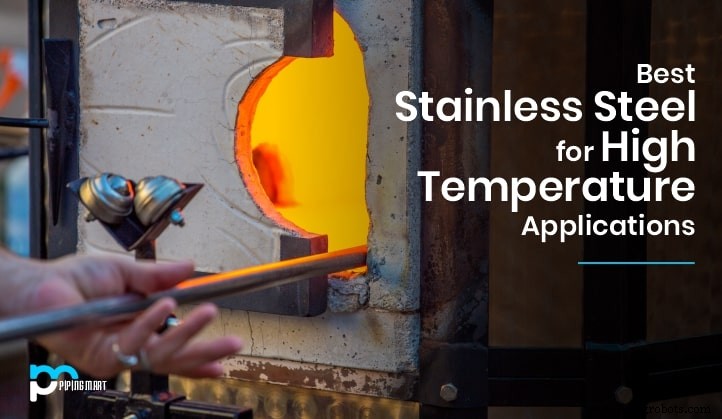
In modern manufacturing, metal parts routinely pass through hot furnaces for processes such as annealing, powder coating, and fumigation. The baskets that carry these components must therefore endure the furnace’s extreme temperatures without degrading or compromising structural integrity.
While virtually every stainless‑steel grade offers some high‑temperature resistance, selecting the most suitable grade hinges on two key factors: the exact temperature the basket will reach and the duration of exposure. Stainless‑steel alloys typically specify both continuous and intermittent temperature limits, reflecting the different stresses imposed by short versus prolonged heat exposure.
Service Temperatures of Stainless‑Steel Grades
When evaluating a material for furnace use, it’s crucial to distinguish between continuous exposure (long‑term heating) and intermittent exposure (short bursts followed by cooling). Continuous limits represent the maximum safe temperature for extended periods, whereas intermittent limits apply to repeated cycles of heating and cooling.
| SS Grade | Continuous (°F / °C) | Intermittent (°F / °C) |
|---|---|---|
| 304 | 1,700 °F / 925 °C | 1,600 °F / 870 °C |
| 309 | 2,000 °F / 1,095 °C | 1,800 °F / 980 °C |
| 310 | 2,100 °F / 1,150 °C | 1,900 °F / 1,025 °C |
| 316 | 1,700 °F / 925 °C | 1,600 °F / 870 °C |
| 410 | 1,300 °F / 705 °C | 1,500 °F / 815 °C |
| 420 | 1,150 °F / 620 °C | 1,350 °F / 735 °C |
| 430 | 1,500 °F / 815 °C | 1,600 °F / 870 °C |
All 300‑series stainless steels exhibit higher continuous temperature limits than their intermittent limits, which is logical because prolonged exposure subjects the metal to greater thermal fatigue. Nonetheless, the phenomenon of thermal cycling—rapidly alternating between high and low temperatures—can induce stresses that lead to surface cracking and, over time, material failure.
During each cycle, the steel expands when heated and contracts when cooled. This repeated deformation can cause the outer layer to spall, forming a flaky, iron‑oxide‑rich crust. If the temperature swings are frequent, the interior stresses and surface cracks may propagate layer by layer, ultimately compromising the basket’s structural integrity.
Photo by: Jason Leung on Unsplash
Metal
- 5 Key Advantages of Stainless Steel Valves in Industrial Applications
- CLU Process for Stainless Steel: Efficient Carbon Removal & Alloying
- Effective Stainless Steel Cleaning & Passivation: Protect Against Rust & Corrosion
- Carbon Steel vs Stainless Steel: Choosing the Right Alloy for Your Project
- Steel vs. Stainless Steel: Choosing the Right Metal for Your Project
- Passivation for Stainless Steel Parts & Enclosures: Boost Corrosion Resistance
- Monel Alloys Explained: Key Properties and Real-World Applications
- Top Metals & Alloys for High‑Pressure Applications
- Top Stainless Steel Applications Across Key Industries
- Premium Precision Metals for Makers & Artisans