



Fused Deposition Modeling (FDM): A Practical Guide for Hobbyists and Professionals
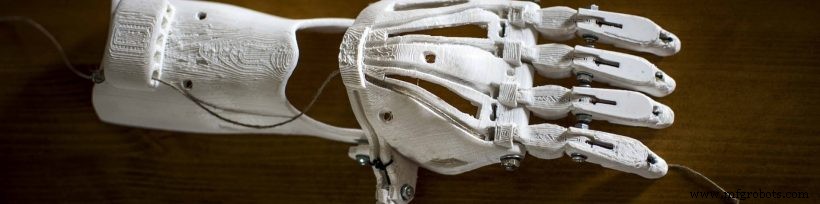
Fused Deposition Modeling (FDM) remains the workhorse of 3D printing, favored by hobbyists, rapid‑prototype labs, and low‑volume manufacturers alike. In this concise guide, we unpack the science behind FDM and provide actionable tips to help you extract maximum performance from both your filament and printer.
What Is Fused Deposition Modeling?
FDM builds objects layer by layer by melting a thermoplastic filament and extruding it through a heated nozzle onto a temperature‑controlled build plate. To support overhangs, printers often use water‑soluble or removable support materials that can be washed away after the print finishes. The thermoplastics employed—such as ABS, PLA, PC, and PEI—offer high dimensional accuracy and mechanical robustness. While raw FDM parts may appear slightly rough, a range of post‑processing techniques—including sanding, acetone vapor smoothing, and painting—can produce a finish that rivals injection‑molded parts.
Choosing the Right Material
Material selection is critical to meet both mechanical and application requirements:
- ABS – The industry standard for functional parts, offering strength, heat resistance, and ease of use.
- PLA – Ideal for high‑detail models and rapid prototyping; however, its brittleness limits load‑bearing use.
- Polycarbonate (PC) – Best for high‑strength, impact‑resistant parts; commonly used in aerospace and automotive components.
- Polyetherimide (PEI / ULTEM) – Excellent chemical resistance and temperature tolerance for demanding engineering applications.
- Medical & Food‑Grade Filaments – Options such as PC‑ISO, PPSF, ULTEM 9085, and advanced nylon grades meet stringent regulatory standards.
Industry surveys (e.g., Additive Manufacturing Institute) report that nylon filaments have seen a 35 % surge in FDM adoption for medical tooling in the past year.
Optimizing Your FDM Projects
Apply these best practices to improve print quality and reduce waste:
- When a filament clog occurs, first verify extrusion and retraction speeds; a small adjustment can restore smooth flow.
- If overhangs sag, lower the extrusion temperature by 5–10 °C to improve material rigidity during deposition.
- Match infill density to part function: functional components benefit from ≥75 % infill, while aesthetic prototypes can use 10–20 % to save material and time.
- Choose the correct bed‑adhesion strategy (e.g., brim, raft, or glue stick) to prevent warping; mis‑alignment often manifests as a warped base.
- For food, drink, or medical parts, seal the porous surface with a food‑safe or biocompatible coating to eliminate contamination risks.
- Ensure adequate ventilation—ABS and many other filaments emit volatile organic compounds (VOCs); use an enclosed, filtered environment and personal protective equipment when needed.
With these guidelines, you’ll elevate your FDM prints from functional prototypes to production‑ready parts.
3D printing
- Directed Energy Deposition (DED) 3D Printing: Process, Advantages, and Applications
- Harnessing 3D Printing in Higher Education: Benefits, Case Studies, and Resources
- Mastering Material Jetting 3D Printing: Fundamentals & Applications
- Mastering Metal 3D Printing: A Comprehensive Guide
- Understanding Binder Jetting 3D Printing: A Comprehensive Overview
- Understanding FDM 3D Printing: A Comprehensive Guide by Hubs
- Understanding FDM 3D Printing: A Complete Guide
- Fused Deposition Modeling (FDM): Benefits, Drawbacks, and Practical Insights
- Expert FDM 3D Printing Design Tips for Precision and Efficiency
- Fused Deposition Modeling (FDM) 3D Printing: Comprehensive Technical Overview