



Effortless Post‑Processing for FDM 3D Prints
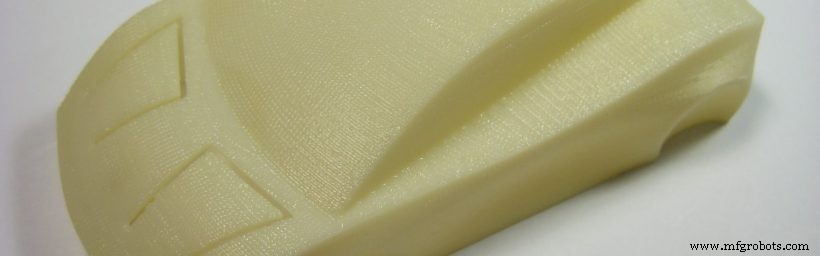
Fused Deposition Modeling (FDM) is a clean technology, so the post‑processing cleanup is usually straightforward. While it doesn’t generate the same volume of waste as SLS—especially when using dissolvable supports—removing any residual material is essential if you plan to paint or apply a finish. A pristine surface guarantees an even, professional outcome.
Prepare a Dedicated Workspace
Set up a station with easy access to a sink and storage for tools and chemicals. If you’re handling many prints, consider investing in a dedicated workstation. Keep gloves, goggles, and other protective gear within reach whenever you’ll be working with solvents or cleaning solutions.
Remove Supports and Polish Before Cleaning
Follow our previous guide on support removal to eliminate all leftover material. Once the supports are gone, fill gaps and sand the part to a smooth finish before you begin any cleaning. This step ensures the part is ready for a flawless paint or finish.
Gentle Rinsing for Clean Parts
The simplest and most common method is a hand rinse with warm, soapy water or isopropyl alcohol. After rinsing, allow the part to dry completely.
For higher throughput, dedicated wash stations—such as Gemini’s Pro‑1000—clean multiple parts immediately after printing. This integrates seamlessly with automated support removal systems, streamlining the entire workflow.
Don’t Forget the Nozzle
Cleaning the printer’s nozzle after each run prevents clogs and reduces the risk of dimensional inaccuracies. If you’re using a multi‑head printer that prints dissolvable supports, each nozzle should be cleaned as part of routine maintenance.
3D printing
- Professional Finishing Techniques for FDM 3D Prints
- Key Design Principles for Optimizing Metal 3D Printed Parts
- 3D Printing: From Rapid Prototyping to Full‑Scale End‑Part Production
- Creating Multi‑Body STL Files for Multi‑Material 3D Printing
- Why Businesses Prefer FDM 3D Printing Over SLS: 3 Key Advantages
- Mastering 3‑D Print Orientation: Tips for Surface Finish, Strength, and Support Efficiency
- Cut Print Time for 3D‑Printed Plastic Parts – Expert Design Strategies
- 3D Printing Explained: Part 1 – From Raw Materials to Modern Innovations
- Top 5 Innovative Filaments Transforming FDM 3D Printing
- Preventing and Fixing Adhesion Issues in FDM 3D Printing