



Why Businesses Prefer FDM 3D Printing Over SLS: 3 Key Advantages
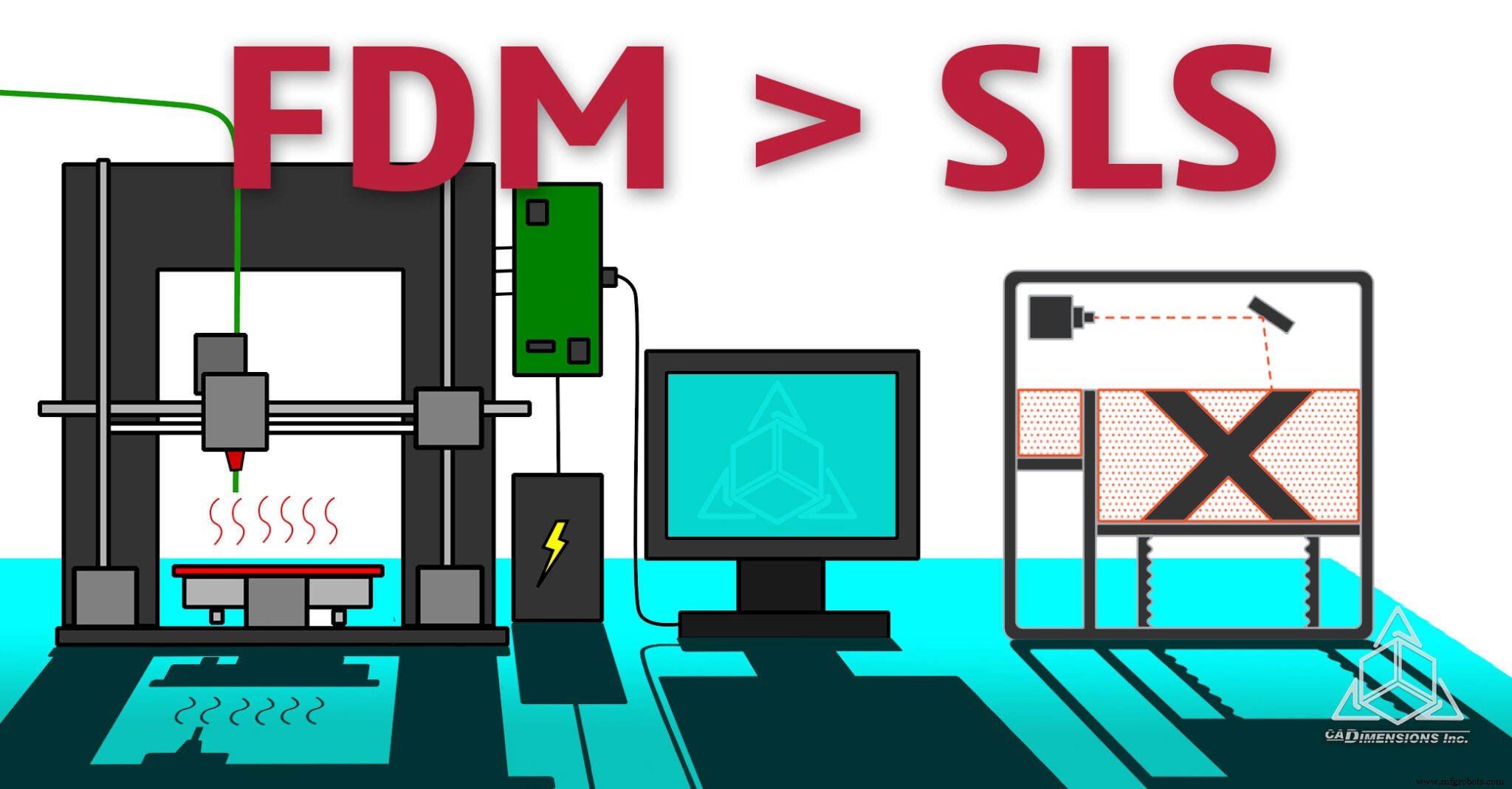
In the fast‑evolving world of additive manufacturing, firms continuously evaluate new techniques against proven ones. One such comparison is between Fused Deposition Modeling (FDM) and Selective Laser Sintering (SLS). Although SLS offers impressive strengths—especially for functional prototypes—many businesses find FDM to be the smarter, more cost‑effective choice for everyday production.
Below are the three most compelling reasons why companies opt for FDM over SLS, backed by real‑world experience and industry insights.
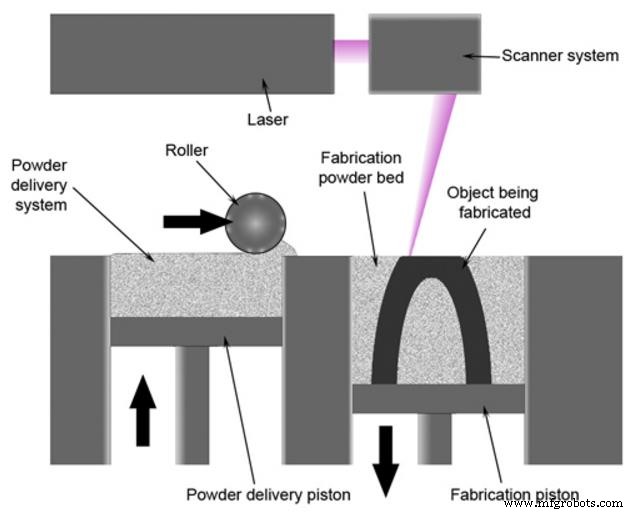
1. Powder Handling: Clean, Safe, and Economical
Working with SLS means daily exposure to fine plastic powder—typically nylon. Operators must wear dust masks, and the powder can become airborne during part extraction, leaving a sticky residue on clothing and equipment. Moreover, only a fraction of unused powder can be recycled; the rest must be disposed of, driving up material costs.
FDM eliminates these hassles. Filament comes in spooled form, and support structures can be dissolved or left to melt away without leaving a mess. The process is dust‑free, eliminating health risks and simplifying cleanup, which translates to lower operating expenses.
2. Material Flexibility: More Choice for Every Application
SLS printers are largely confined to nylon and its close derivatives. If a product requires a different polymer—whether a higher‑temperature ABS, a flexible TPU, or a chemically resistant PETG—SLS is simply not viable.
FDM machines can handle a wide spectrum of thermoplastics, including various nylons, and even composites infused with carbon or glass fibers. This versatility means businesses can tailor material properties to the exact needs of each part without investing in new hardware.
3. Final Part Quality: Optimized Strength and Surface Finish
SLS prints often boast near‑invisible layer lines in photographs, yet the tactile feel can be grainy and abrasive—unfriendly for moving or sliding components. The inherent porosity of SLS parts also makes them susceptible to oil absorption and water uptake, especially with hygroscopic nylon, which can degrade mechanical performance over time.
FDM, on the other hand, allows precise control over layer orientation, enabling manufacturers to align print layers with the direction of load or motion. Additionally, FDM’s lattice design options let designers vary infill density on the fly—creating solid, semi‑solid, or hollow structures as required—without extra modeling steps. This results in parts that are both stronger and lighter, with smoother surfaces that reduce wear.
While each technology has its niche advantages, the cleaner workflow, broader material palette, and superior part integrity make FDM the go‑to choice for many production‑centric businesses—especially when budget and time constraints are critical.
Tags: 3D Printing, FDM, Materials, Power Handling, SLS
3D printing
- Effortless Post‑Processing for FDM 3D Prints
- Harnessing 3D Printing in Higher Education: Benefits, Case Studies, and Resources
- Understanding SLS 3D Printing: How Selective Laser Sintering Creates Durable Parts
- Tinkercad for 3D Printing: A Comprehensive Review for Beginners
- Is SketchUp Ideal for 3D Printing? A Comprehensive Review
- SolidWorks for 3D Printing: What You Need to Know
- Blender for 3D Printing: Pros, Cons, and Alternatives
- SLS vs FDM 3D Printing: Which Technology Should You Choose?
- Understanding FDM 3D Printing: A Complete Guide
- Top 5 Innovative Filaments Transforming FDM 3D Printing