



Multi‑Material 3D Printing: The Future of Additive Manufacturing
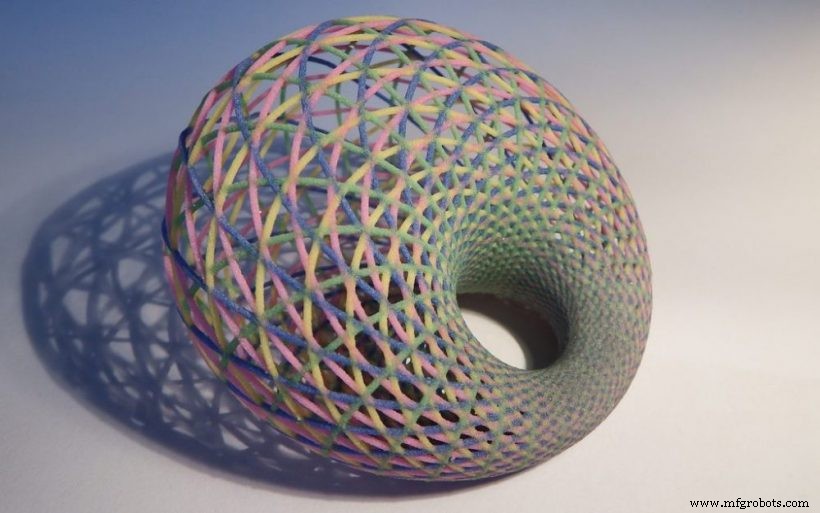
Multi‑material 3D printing is a cutting‑edge additive manufacturing technique that fuses distinct materials into a single part, unlocking performance and functionality that traditional single‑material prints cannot achieve. By integrating varying mechanical, optical, and functional properties during fabrication, designers can produce prototypes, concept models, and even final products that were previously impossible to manufacture.
Today’s multi‑material printers support a broad palette of thermoplastics, polymers, and even silicones, making them ideal for full‑colour, high‑fidelity prototypes. This article explores the benefits, underlying technologies, material options, key use cases, and the challenges that shape the future of multi‑material additive manufacturing.
Why Multi‑Material Printing Matters
Unlike conventional single‑material builds that require post‑assembly, multi‑material printing creates complex parts in one seamless process. This streamlines production, shortens development cycles, and reduces material waste. For engineers, the ability to embed translucency, rigidity, or color gradation directly into a part elevates design validation and functional testing to new heights.
Color blending is another advantage: by mixing materials in precise ratios, printers can generate subtle tones and gradients without a separate painting step, saving time and resources during post‑processing.
How the Technology Works
Multi‑material printers typically operate by depositing different materials—often thermoplastics or photopolymers—within the same build volume. While metal or ceramic combinations remain a research frontier, current systems excel with plastics and resins.
Leading vendors such as Stratasys and 3D Systems offer solutions tailored for prototyping and modeling. For example, Stratasys’ Connex® system provides three key printing modes:
- Mixed tray: Simultaneously prints multiple parts, each with distinct materials, ideal for high‑volume prototyping.
- Mixed part: Integrates varied material zones within a single part, eliminating the need for assembly.
- Digital materials: Creates bespoke material blends that deliver unique mechanical and aesthetic properties unattainable with single‑material prints.
Core Technologies Behind Multi‑Material Printing
Material jetting dominates the multi‑material space. Printheads dispense droplets of photosensitive resin (or multiple resins) that cure under UV light layer by layer, producing parts with distinct zones of stiffness, transparency, or color. Stratasys and 3D Systems are the principal manufacturers of such systems.
Material Landscape
Current offerings span acrylic‑based photopolymers, rigid‑plastic and elastomer composites, and, increasingly, silicone formulations. 3D Systems’ ProJet MJP 5600, for instance, works with a diverse range of resins to produce fully assembled prototypes with complex geometries. Engineering‑grade composites now enable the creation of parts that meet stringent mechanical standards.
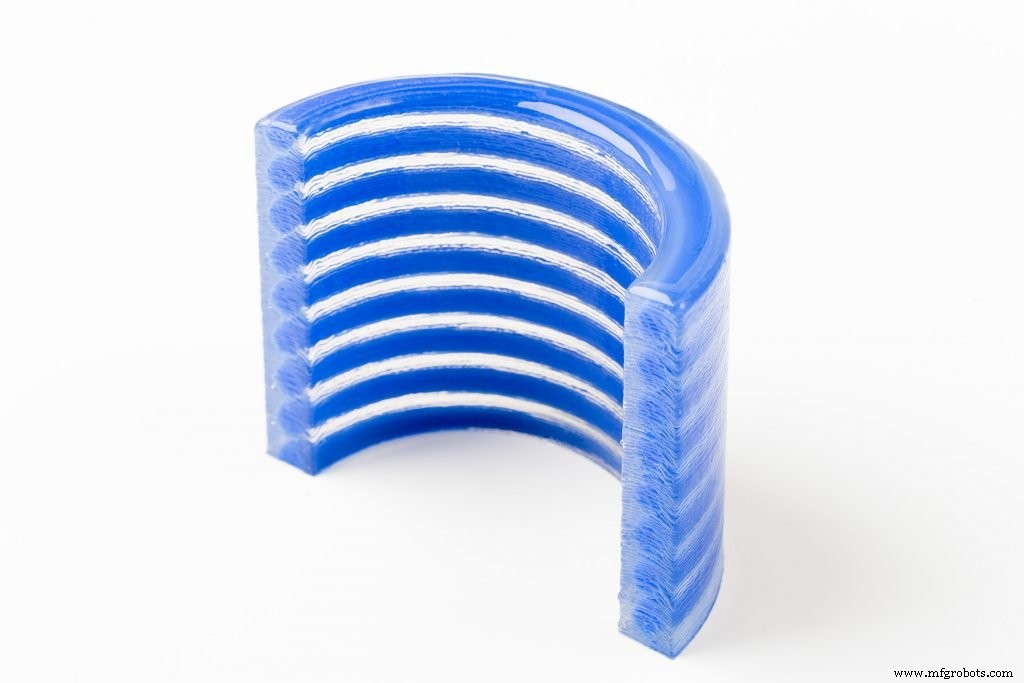
ACEO® (a Wacker Chemie AG subsidiary) has pioneered silicone 3D printing, producing parts with adjustable color, hardness, and electrical properties—an enabling technology for integrated conductive pathways and insulating components.
Real‑World Applications
Multi‑material printing spans consumer goods, medical devices, automotive, aerospace, and electronics:
- Consumer & Sports: Speedo uses the technology to prototype goggles and swim gear, accelerating the design cycle.
- Functional Prototypes: Seals, gaskets, tires, and footwear soles can be tested for fit and performance before production.
- Medical: The ability to combine translucent and opaque materials enables realistic anatomical models for education and pre‑operative planning, and allows internal colored structures to visualize fluid dynamics.
- Aerospace & Automotive: Engineers produce functional prototypes with true-to‑life colors and labels, and manufacture short‑run molds and tooling without assembly.
- Electronics: Nano Dimension has developed conductive and dielectric inks that can be printed simultaneously, enabling the fabrication of integrated circuits, antennas, and other functional components.
Challenges & Research Directions
While prototyping is mature, scaling multi‑material printing to production remains a hurdle. Achieving repeatable, high‑quality parts—especially with metals or ceramics—requires overcoming differences in melting temperatures and material behavior.
Aerosint’s powder‑bed process demonstrates a promising approach, controlling two distinct powders at the voxel level and sintering them together to form complex metal‑polymer composites.
Future Outlook
Emerging fields such as multi‑material bioprinting hold transformative potential for tissue engineering, regenerative medicine, and biosensing. The broader industry goal is to transition from prototyping to end‑use production, creating parts with integrated functions and superior mechanical properties.
As research accelerates and new materials and processes emerge, multi‑material 3D printing is poised to expand the boundaries of additive manufacturing, delivering smarter, more efficient, and more capable products across all sectors.
3D printing
- Is 3D Printing Ready for the Construction Industry? 2020 Update
- Scalmalloy: A High‑Strength Aluminium‑Magnesium‑Scandium Alloy for Aerospace‑Grade Metal 3D Printing
- Future Directions of 3D Printing in Biomedical Applications
- What 3D Printing Needs to Evolve: Top 3 Industry Demands Revealed at AMUG
- Top Metal 3D Printing Materials: Unlocking Additive Manufacturing’s Potential
- The ABCs of 3D Printing: How Additive Manufacturing is Shaping Modern Industry
- NASA Introduces Next-Gen Spacesuits for Artemis Moon Missions
- Revolutionizing Mass Production: The Key Advantages of 3D Printing
- Why 3D Printing Is Revolutionizing Modern Manufacturing
- Reflector-o-Lay: Pioneering Reflective Filament for Advanced 3D Printing