



Tight Deadlines & Product Marketing: Why Rendering Wins Over Traditional Photos
In fast‑paced product development, the marketing team often bears the brunt of rushed timelines, resulting in subpar imagery. By rethinking the content creation workflow, marketers can produce high‑impact visuals without delaying product launches.
First, examine how your team currently generates imagery. We typically see four common approaches:

1. Physical Photos
Professional photography remains the gold standard for product imagery. However, it requires a finished prototype, incurs high outsourcing costs, and often necessitates an additional prototype for marketing. Studies consistently show that outsourcing is actually more cost‑effective than in‑house production, especially when factoring setup, shooting, and post‑processing time.
2. Screenshots
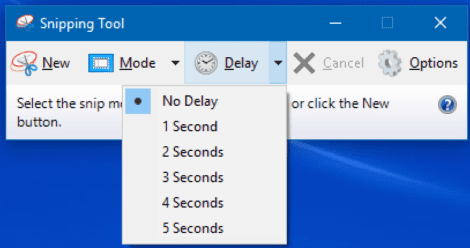
When product photos aren’t ready, designers often resort to screenshots from CAD or design tools. While convenient, the resulting images lack the polish that drives purchase decisions. According to a 2023 consumer survey, 67% of shoppers consider image quality "very important" when deciding to buy, and many will turn to a competitor with sharper visuals.
3. Renderings
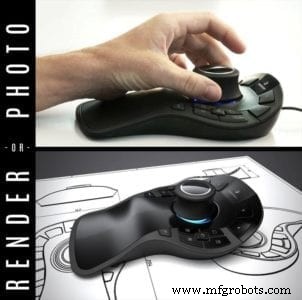
Digital renderings have evolved dramatically—from low‑resolution game‑style images to photorealistic renders indistinguishable from real photos. The Wall Street Journal highlighted IKEA’s shift from 25% photography to CGI catalog illustrations in 2013, a move that anticipated a $1.5 billion global market by 2015. Automotive brands have also embraced CGI, with ten years of data showing a 20% to 80% shift from photography to digital.
4. No Images
Releasing a product before visuals are available is a costly mistake. In today’s visual‑centric landscape, articles with images receive 94% more views, underscoring the necessity of compelling imagery for discovery and engagement.
The common misconception is that renderings are time‑consuming. In reality, a well‑set‑up rendering workflow can match or outpace the time required for physical photos—setup, shooting, editing, and prototype painting. Moreover, renderings can be updated in real time as design revisions occur, allowing marketing to begin content creation before the final product exists.
Because renderings eliminate the need for physical prototypes, they enable rapid colorway visualization and faster production cycles.
Ask your marketing team these questions:
- Do we currently use renderings for product imagery?
- How does outsourcing photography cost compare to a rendering package?
- Could we start marketing earlier if we had digital renderings?
- How do our competitors’ visuals stack up?
- What impact could early marketing have on leads and sales?
Adopting a rendering solution can save money, integrate seamlessly into your design workflow, and elevate marketing quality. Major brands already lead with CGI—when will yours join the movement?
Let CADimensions’ Rendering Services Do the Heavy Lifting
See Options & Pricing For Services
Tags: product marketing, product visualization, Rendering
3D printing
- 4 Key Reasons Flexible Materials Are Transforming Product Packaging
- Four Emerging Tech Trends Revolutionizing Inbound Marketing
- Summer Marketing Strategies Manufacturers Must Execute Now
- How Content Marketing Drives Growth for Industrial Manufacturers, OEMs, and Distributors
- Industrial Marketing Explained: Strategies, Benefits, and Real-World Examples
- Unlock Growth: How Content Marketing Fuels Manufacturing Success
- Product Development: Gatekeeper vs. Keymaster – Which Drives Success?
- Maximize Business Growth with Inbound & Outbound Marketing
- Proven Content Marketing Strategies for Manufacturing Companies
- Key Factors Preventing Startups from Reaching Market Success