



4 Key Reasons Flexible Materials Are Transforming Product Packaging
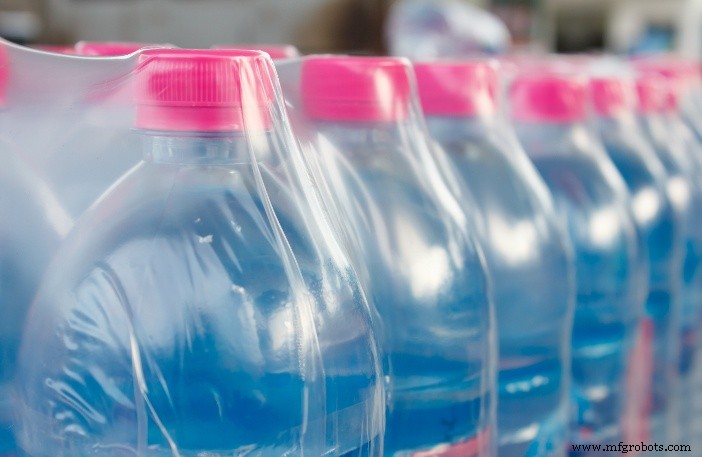
Today’s product packaging landscape is shifting dramatically. More converters are moving from rigid paperboard and molded plastic to flexible bags and pouches.
According to the 2023 “State of the U.S. Flexible Packaging Industry” report by the Flexible Packaging Association (FPA), the domestic market has grown year‑over‑year to almost $30 billion and is projected to rise at ~3 % annually—a trend that shows no sign of slowing.
Flexible packaging relies on high‑grade plastic films. The process begins with a film converter producing film via blown‑film extrusion, which is then rolled into webs. Packaging converters transform these webs into bags or pouches, delivering the benefits that drive industry adoption.
1. Convenience & Portability
Retailers and consumers increasingly demand packaging that is easy to use, resealable, and compact. Flexible bags can be zipped, folded, and stored in small spaces, reducing shelf and storage footprints. The eye‑catching appearance—thanks to advanced printing techniques—also enhances shelf impact.
2. Cost Savings
Because bags use less material, the overall cost of production drops by up to 40 % (Fres‑co, 2022). Less plastic also means less solid waste, a key factor for brands prioritizing environmental responsibility.
3. Sustainability
Flexible packaging generates roughly 50 % less waste than rigid formats, lowers greenhouse‑gas emissions, and cuts BTU consumption (Fres‑co). The FPA estimates that producing a flexible package consumes 88 % less fossil fuel than its rigid counterpart. Additionally, the 20 % space savings in transportation translates into lower shipping costs.
4. Health & Safety
High‑grade, FDA‑approved plastic films can be engineered to be UV‑resistant, extending product shelf life by protecting against sun damage. The resealable barrier also helps keep contaminants out, maintaining food safety from plant to shelf.
These advantages explain why flexible materials are becoming the preferred choice for product packaging.
Have questions? Drop them in the comments below.
Want deeper insight into flexible plastics? Download our free Guide to Elastomers.

Resin
- What Flexible Magnets Are Made Of – Composition and Construction
- Why Digital Signal Processors Are Now Everywhere in Modern Devices
- Plastics: Driving the Future of Automotive Hardware Innovation
- Three Key Reasons High‑Tech Composites Outperform Traditional Materials
- Why We Switched to Custom Shipment Boxes – Enhancing Protection & Sustainability
- 3 Reasons Millennials Thrive in Manufacturing Careers
- Why Durable Barcode Labels Are Essential for Industrial Operations – 6 Key Benefits
- 5 Reasons Plasma Arc Speakers Deliver Unmatched Sound Quality
- Key Factors Preventing Startups from Reaching Market Success
- Top 6 Benefits of Ball Grid Array (BGA) Packaging for PCBs