



Fiber‑Reinforced 3D Printing Delivers Military‑Grade Durability to Genasun‑II CM
Fiber‑Reinforced 3D Printing Delivers Military‑Grade Durability to Genasun‑II CM
When the U.S. Marine Corps sought a reliable way to extend the life of its most common field battery, Genasun stepped in with a robust upgrade. The solid‑state MPPT solar charge controller was transformed into a portable, field‑ready charger for the Corps’ flagship BB‑2590 Lithium Battery.
Rapid prototyping is a core competency at the Marine Corps Warfighting Laboratory (MCWL) in Quantico. Genasun impressed the Corps with a quick turnaround by designing a shock‑resistant enclosure in 3D‑printed ABS. However, the prototype could not withstand the rigorous in‑theater testing required for operational deployment.
ABS enclosures simply lacked the toughness needed for combat environments. 3D printing provided the agility to iterate and fit‑test components rapidly, but the printed parts required a stronger material—something that could match Marine Corps toughness.
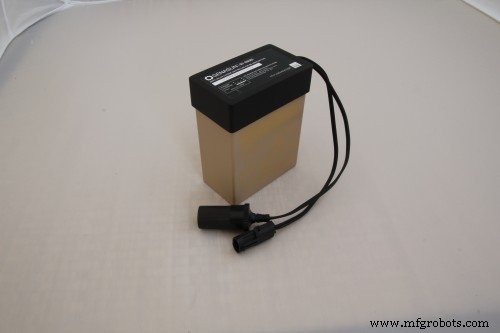
Nylon + Kevlar® = Military‑Grade Strength
Using the Mark One Composite 3D printer, Genasun produced an enclosure in Nylon reinforced with continuous‑strand Kevlar®. This composite marries nylon’s impact resistance with Kevlar®’s superior strength, stiffness, and lightweight profile.
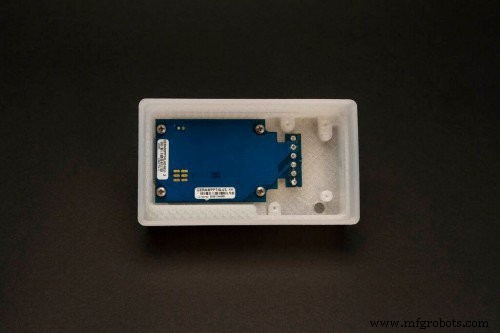
Parts printed with the Mark One are ready for field use straight from the printer, safeguarding critical equipment such as the BB‑2590. The battery powers radios, night‑vision systems, and bomb disposal robots—missions where reliability is paramount. The composite material not only survived demanding tests but also leveraged the Marines’ existing trust in Kevlar®.
Comparative Analysis: Kevlar®‑Reinforced Nylon vs. Traditional Materials
Method | Cost | Time | Service Bureau
Nylon 6/6 (30% glass fill) | $570.88 | 3–5 business days | Yes
Nylon 6 | $263.87 | 3–5 business days | Yes
Reinforced 3D Printing (Nylon 6/Kevlar®) | $49.31 | 24‑hour print time | No
Today, Genasun continues to use the Mark One to create rugged prototypes that showcase the speed of iteration, the versatility of composite printing, and the ability to endure the harshest field conditions.
The Kevlar®‑reinforced Genasun‑II CM prototype also paved the way for a new generation of 3D‑printed composite components across the Marine Corps ecosystem.
3D printing
- Harnessing 3D Printing in Higher Education: Benefits, Case Studies, and Resources
- Tinkercad for 3D Printing: A Comprehensive Review for Beginners
- Is SketchUp Ideal for 3D Printing? A Comprehensive Review
- SolidWorks for 3D Printing: What You Need to Know
- Blender for 3D Printing: Pros, Cons, and Alternatives
- Explore the Versatile Applications of 3D Printing in Industry and Healthcare
- Essential Guide to 3D Printing with Nylon: Performance, Challenges, and Best Practices
- 10 Strongest 3D Printing Materials for Ultimate Durability
- Essential Pre-Print Checklist for Reliable 3D Printing
- Revolutionizing Healthcare: How 3D Printing Is Transforming Medical Applications